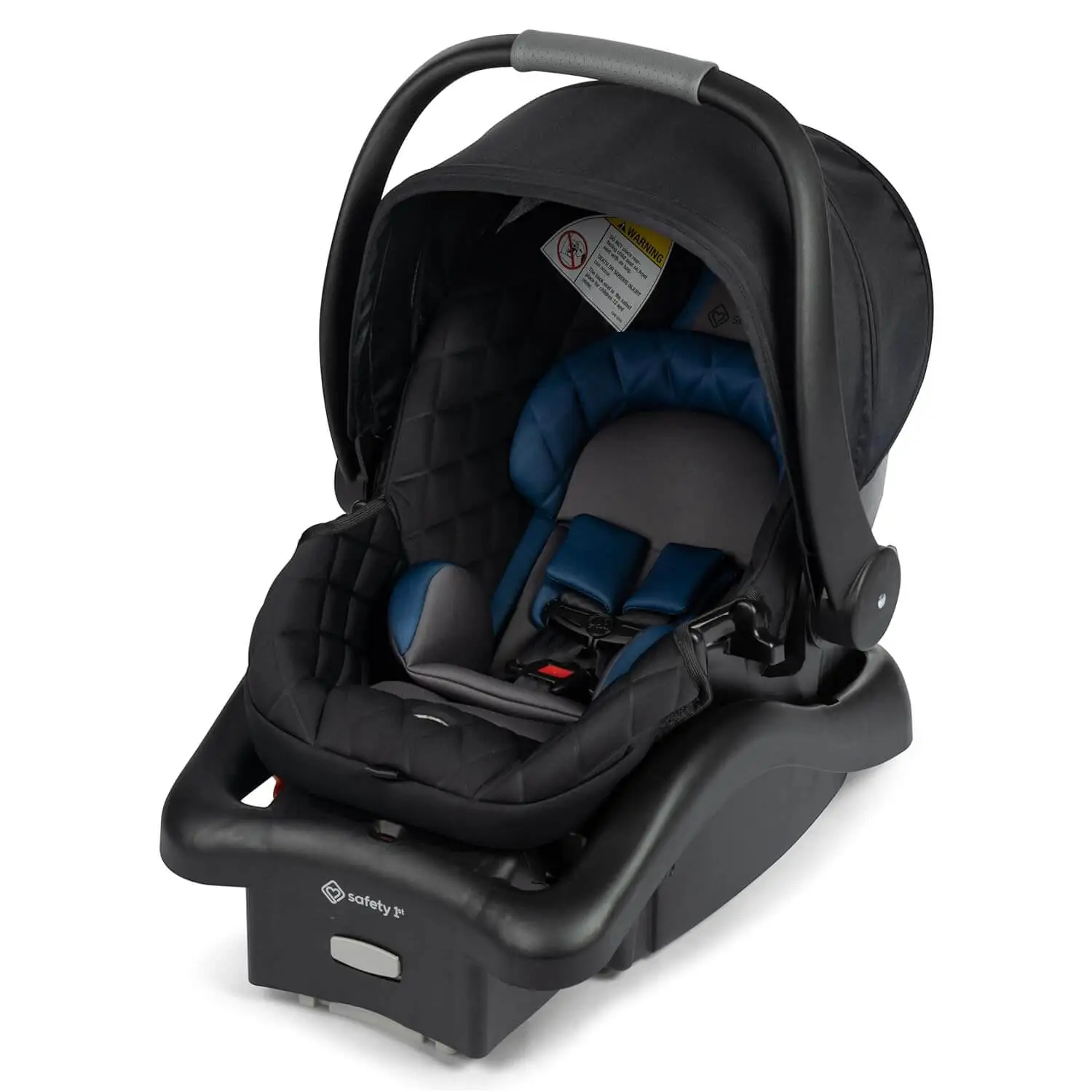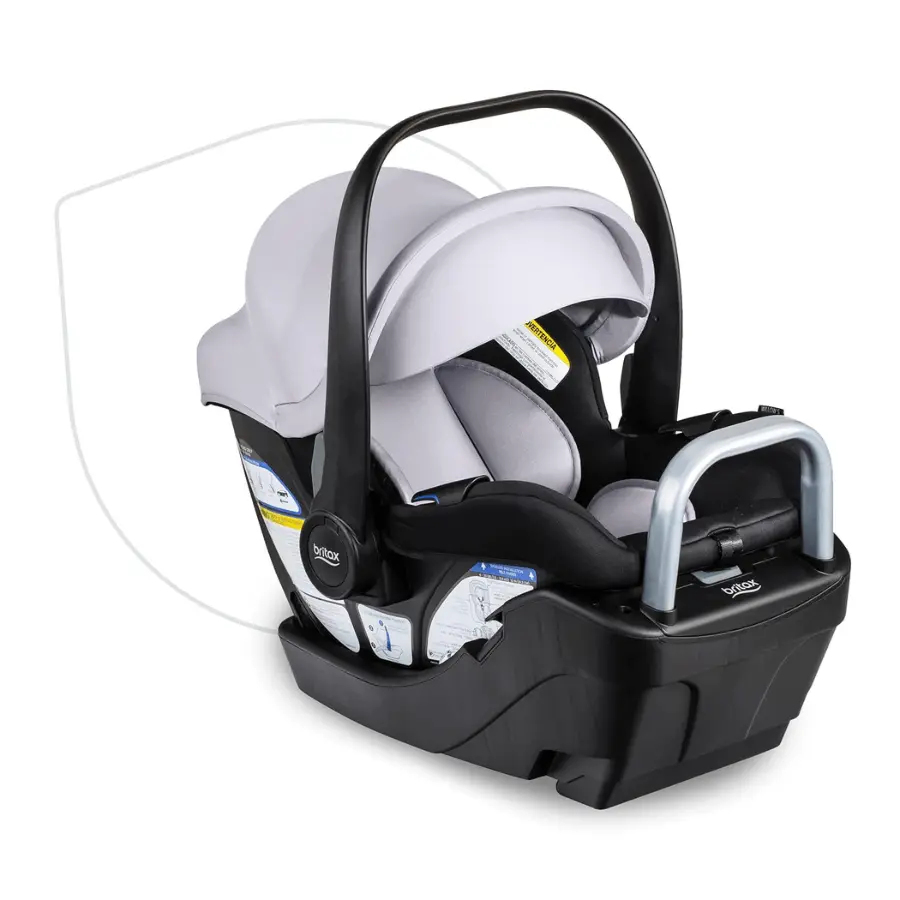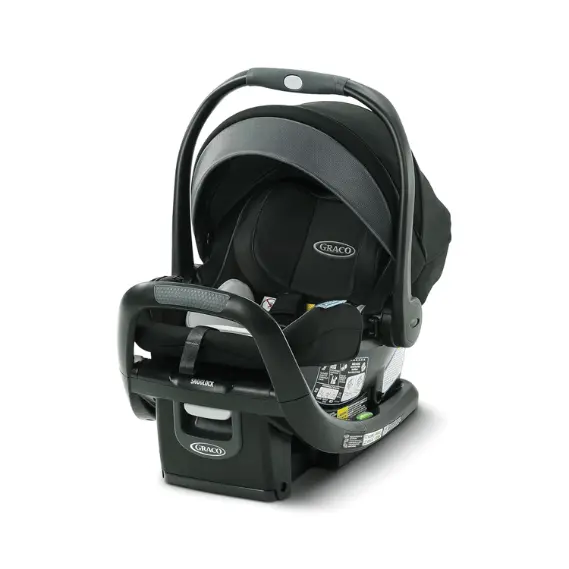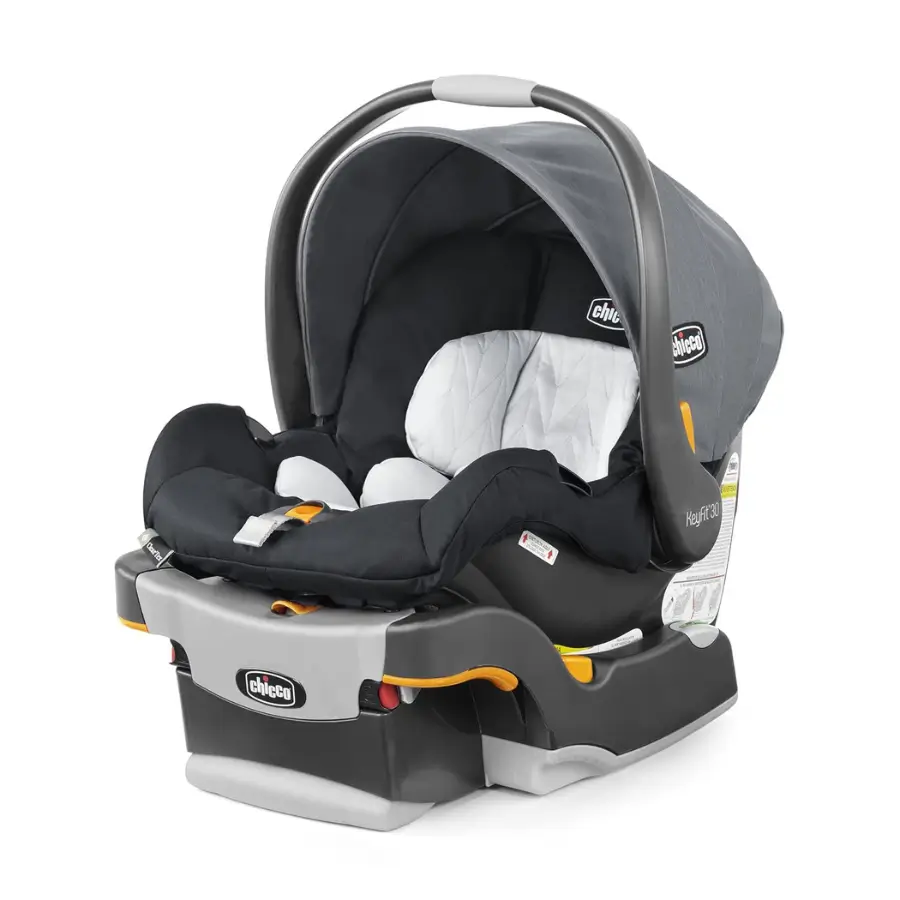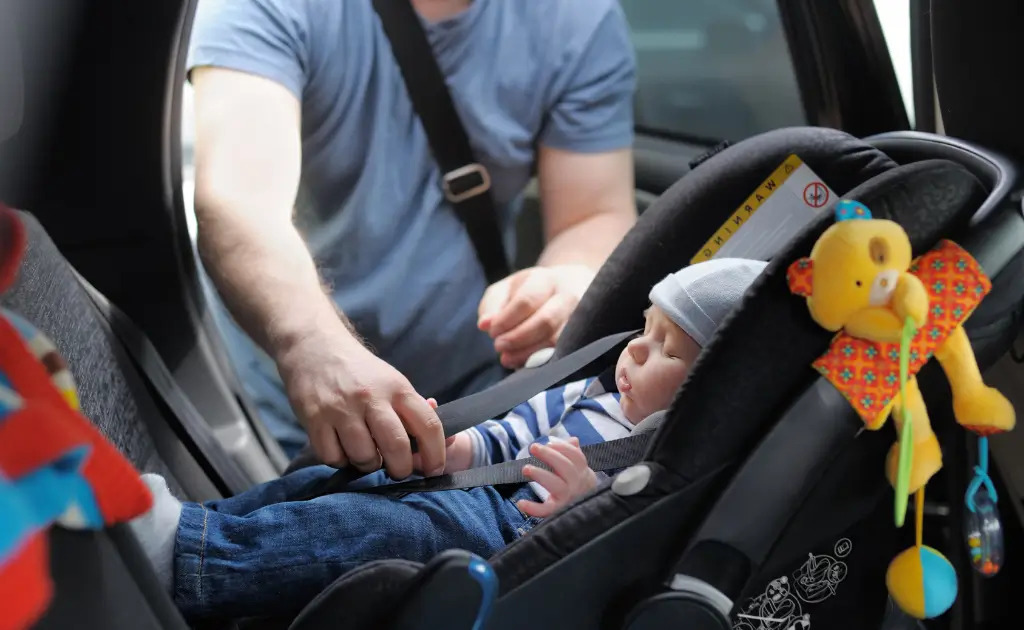
Bringing your baby home for the first time is a moment every parent dreams about — tiny fingers, sleepy smiles, and that new sense of responsibility filling the car ride. But your baby’s safety matters most before you even start the engine. That’s where an infant car seat comes in.
Designed especially for newborns, an infant car seat cradles your little one securely and shields their delicate body in ways a regular or convertible seat can’t. According to the latest recommendations from the American Academy of Pediatrics (AAP), rear-facing seats significantly reduce the risk of fatal injury in infants by71% to 82% and reduce the risk of death by 28%.
In this guide, you’ll learn what an infant car seat is and why it’s the safest start for your baby’s journey when installed correctly.
💺What Is an Infant Car Seat?
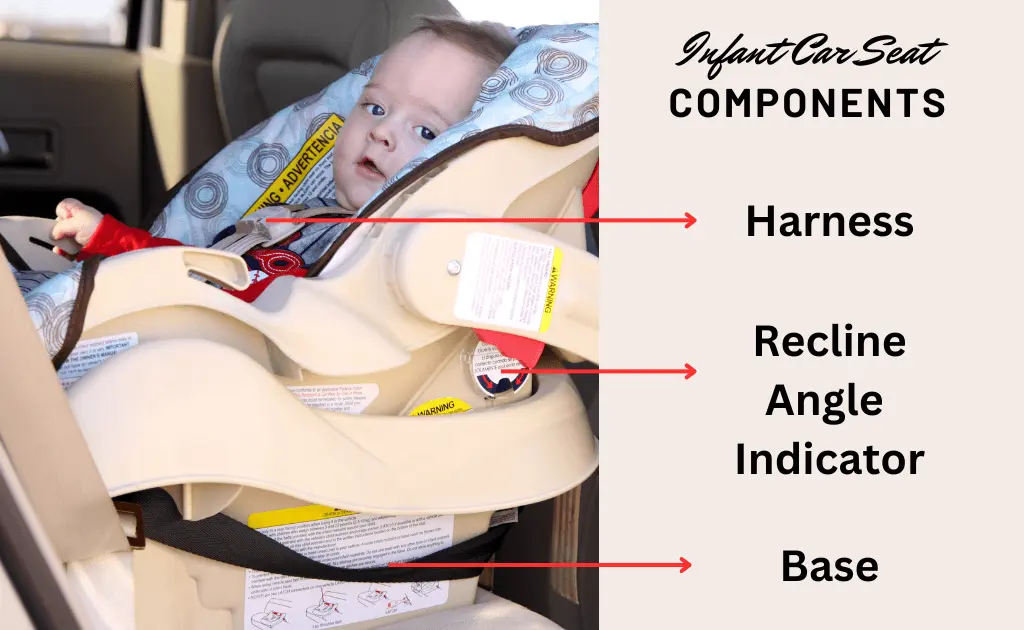
An infant car seat, also called a rear-facing seat, is designed for newborns and babies up to about 12–15 months old (depending on the seat’s weight and height limits). These seats always face the vehicle’s rear and provide maximum protection for your baby’s head, neck, and spine.
Unlike convertible or all-in-one car seats, which grow with your child, an infant car seat focuses exclusively on the early months — typically from birth up to 30–35 pounds or around 32 inches in height.
🧩Key Components You Need to Know
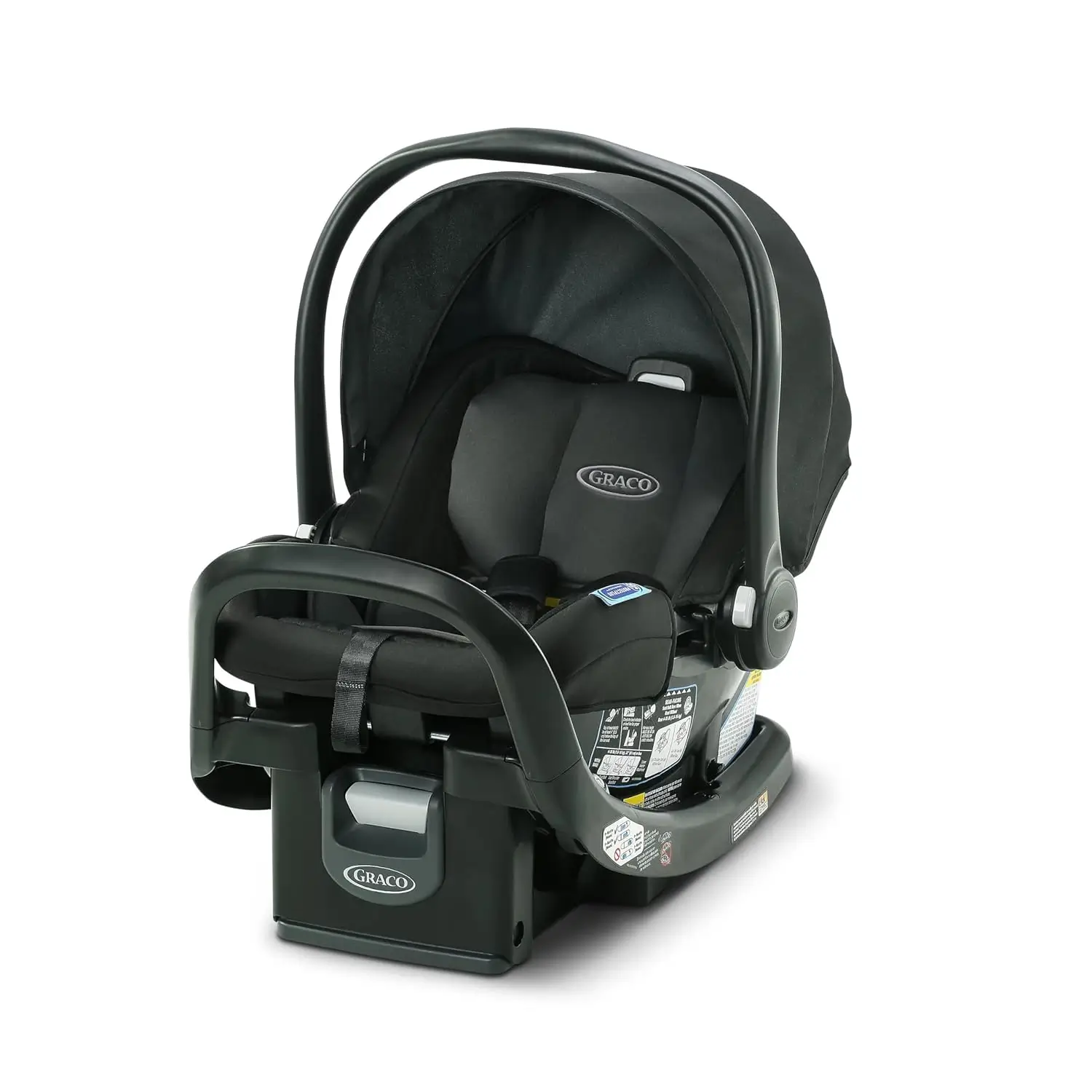
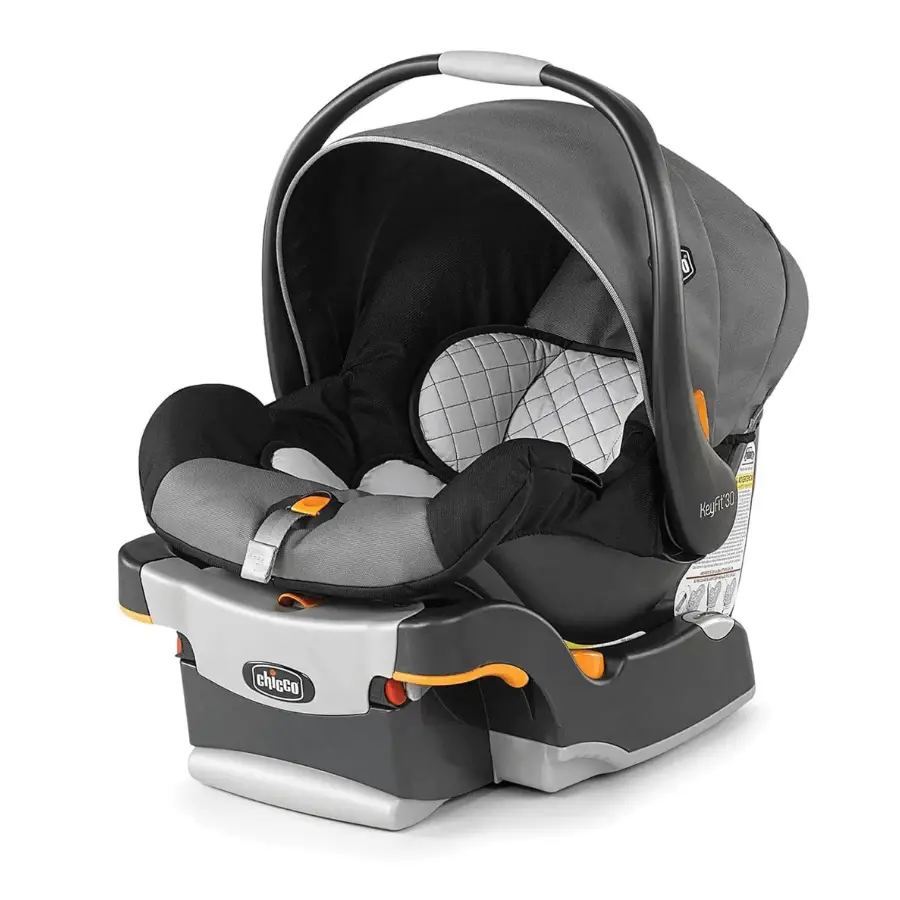
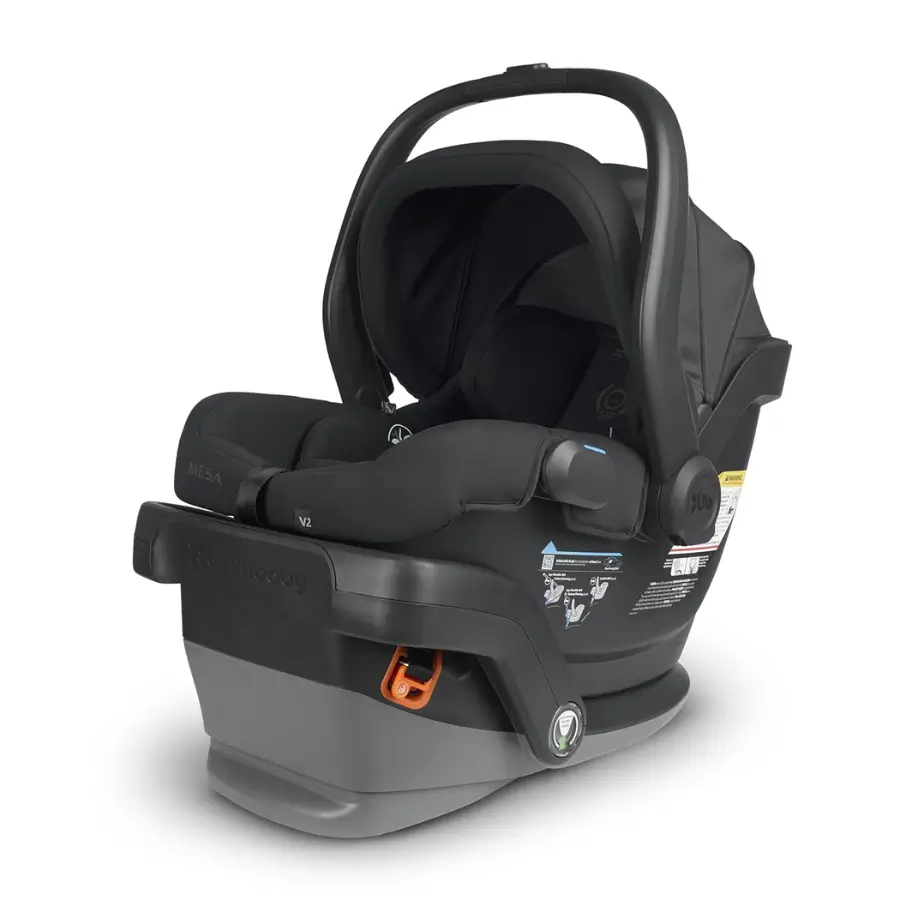
Understanding an infant car seat’s main components and functions is essential for proper installation. The following are the main components and functions of an infant car seat.
Base
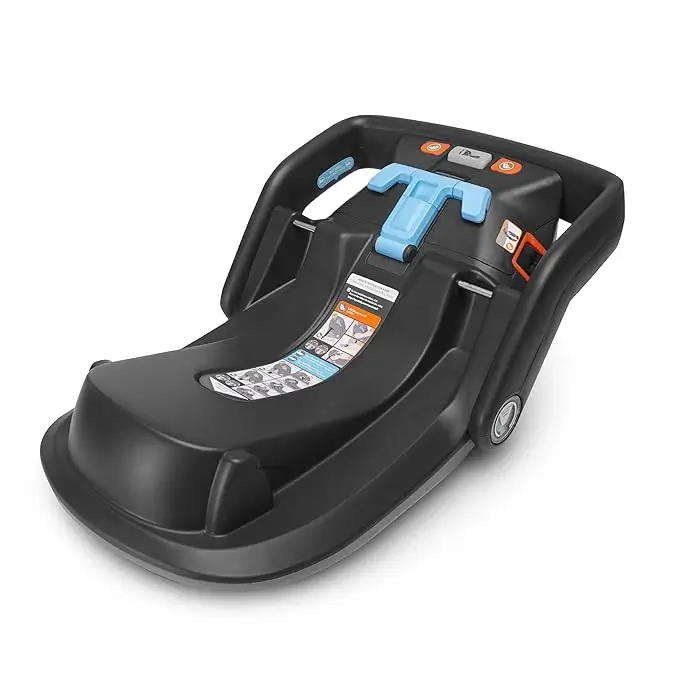
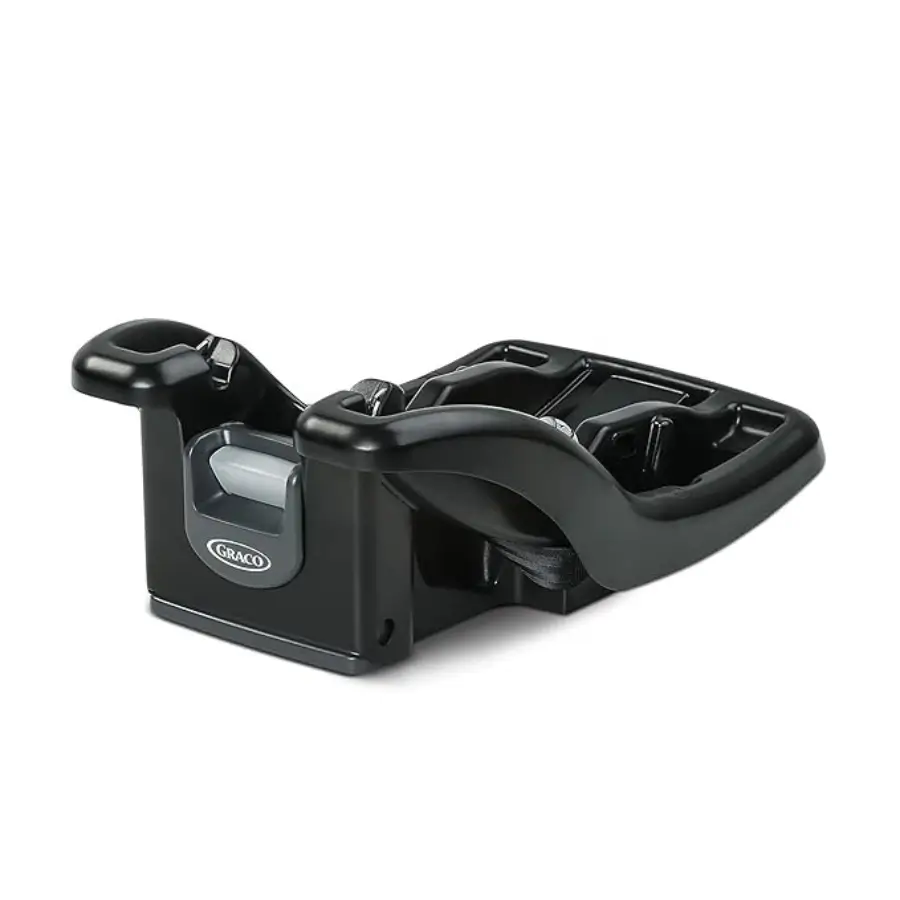
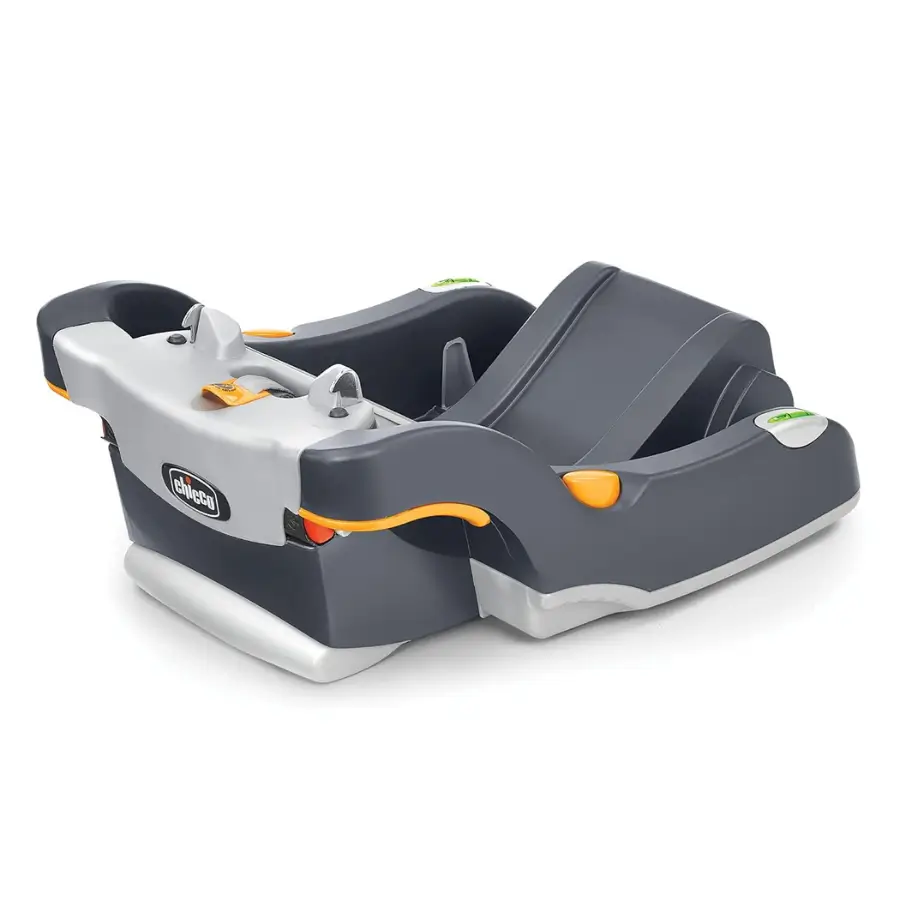
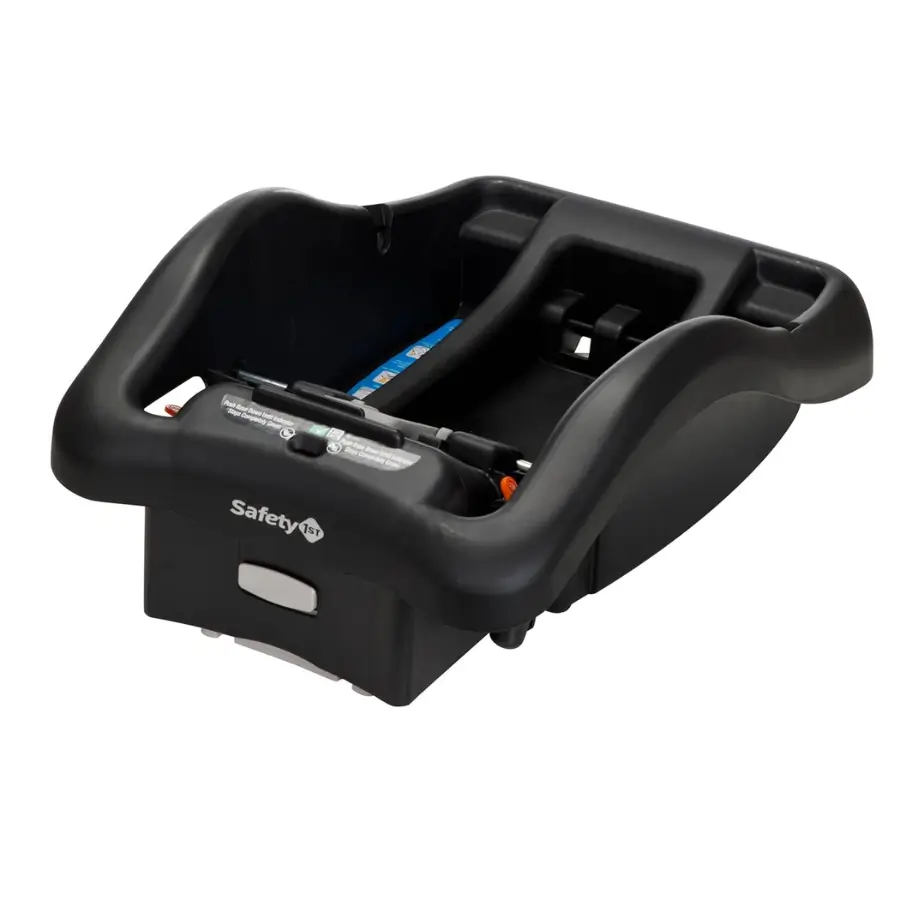
The base is the foundation of an infant car seat. It is installed in your car using either the seatbelt or the LATCH system. It ensures a stable foundation for the carrier. Once installed, you can easily click the seat in or out without reinstalling it every time.
Carrier (Seat Shell)
The Carrier is the removable seat that holds your baby. It clicks into the base for driving and can be easily detached to carry your baby. It can be attached to a compatible stroller to make a travel system.
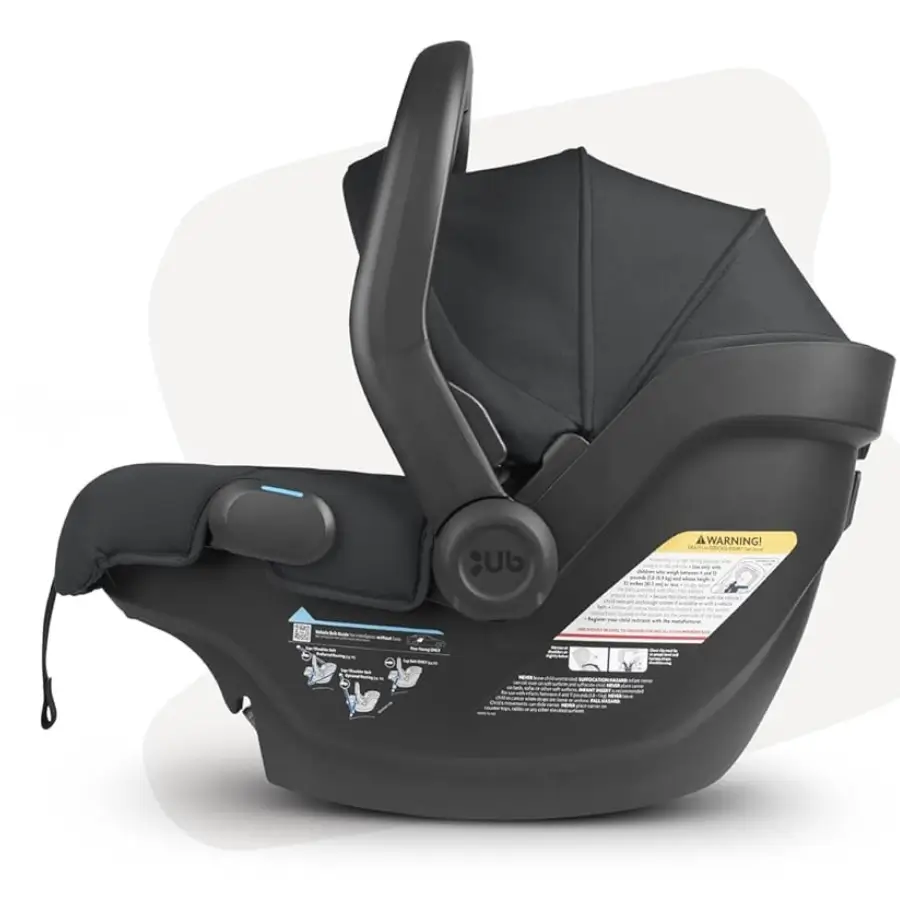
5 Point Harness
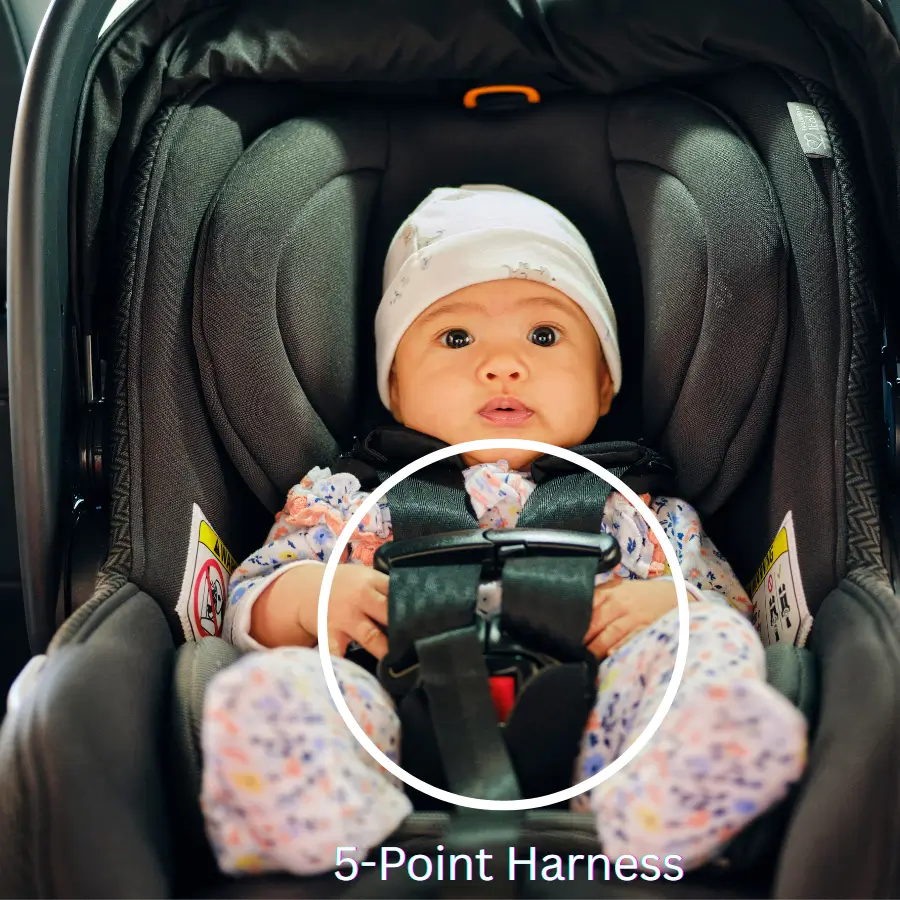
A five-point harness is a system of straps that securely restrains your baby in the seat. It distributes crash forces across the body’s most rigid points, including the shoulders, hips, and the area between the legs.
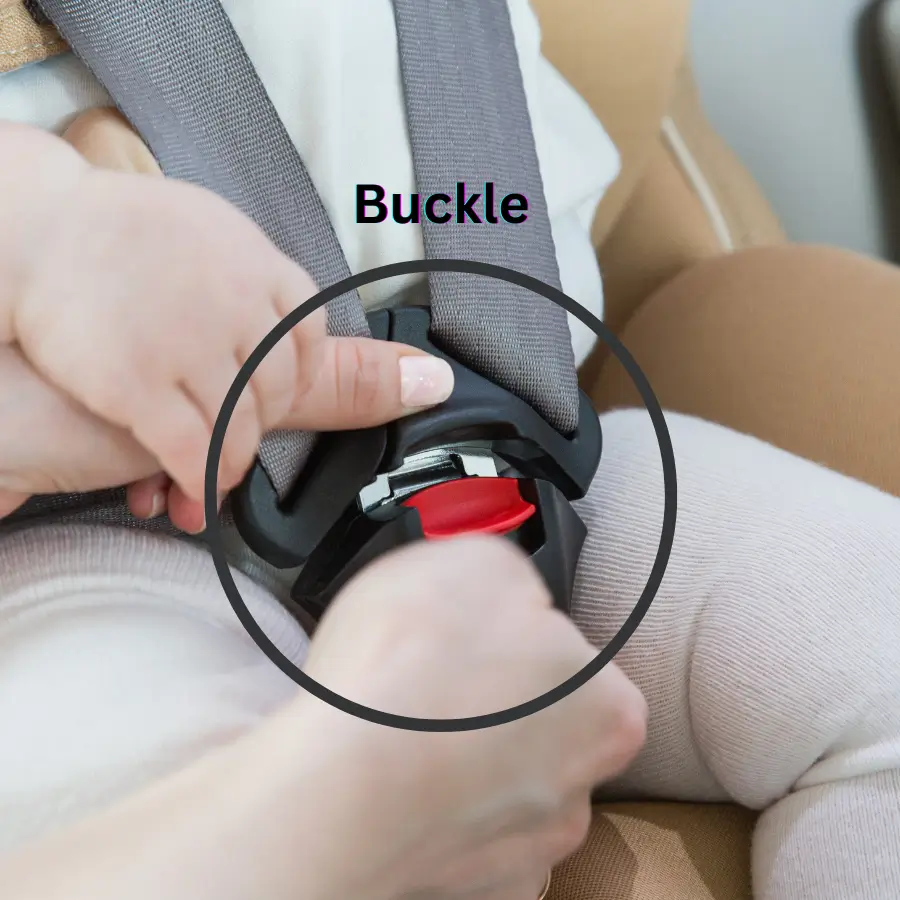
Buckle
Located between your baby’s legs, the buckle connects the harness straps securely and holds them in place. It’s designed for quick emergency release but stays firmly latched during everyday use.
Chest Clip
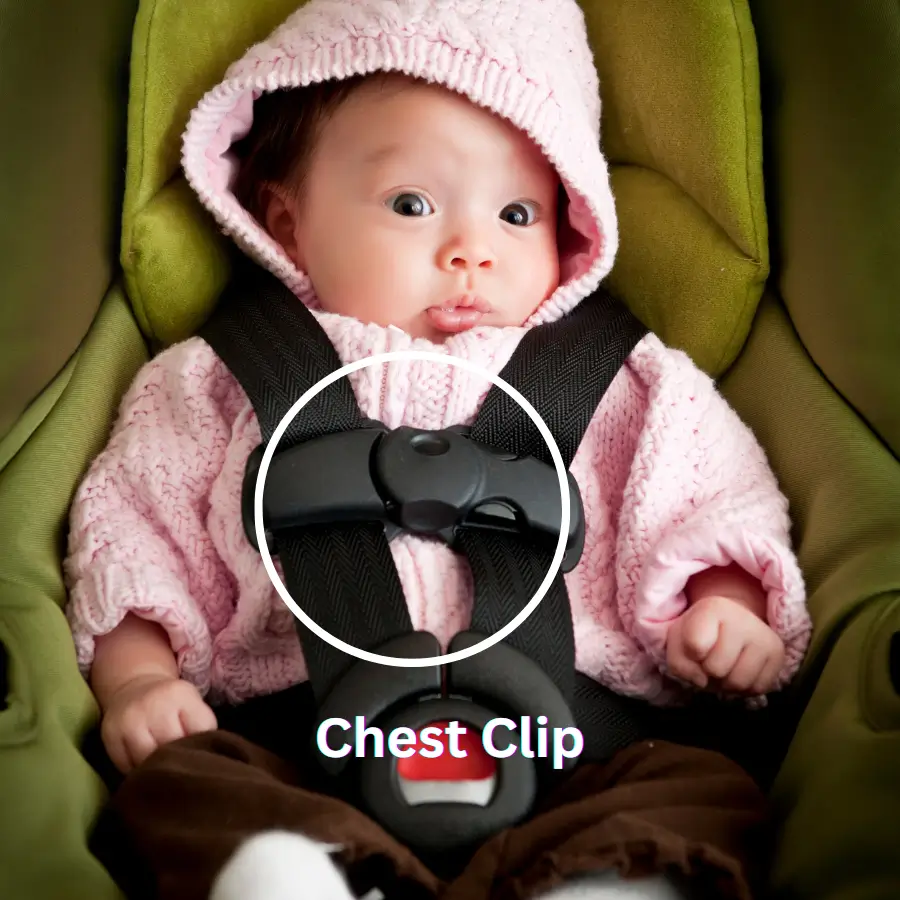
A chest clip connects the two shoulder straps across your baby’s chest. It keeps the harness positioned adequately at the armpit level and prevents the straps from slipping off during a crash or sudden stop.
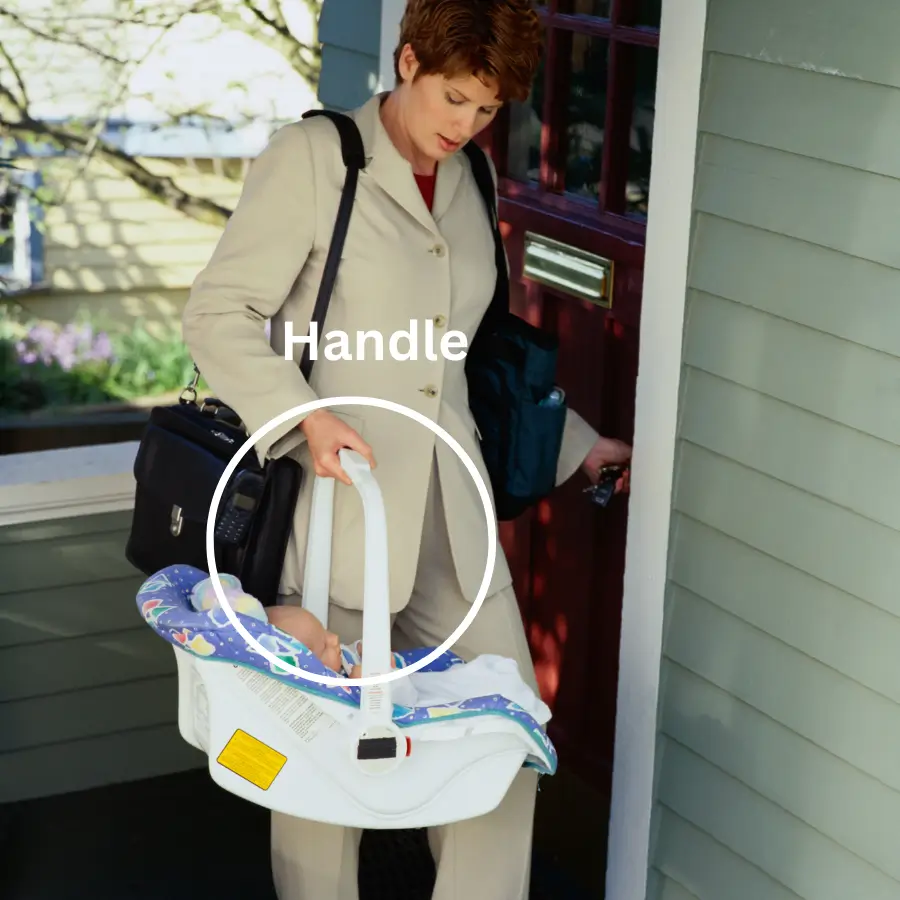
Handle
A handle moves the carrier in and out of the vehicle and serves as a safety feature in the event of an impact.
Leveling Foot (Recline Adjustment Foot)
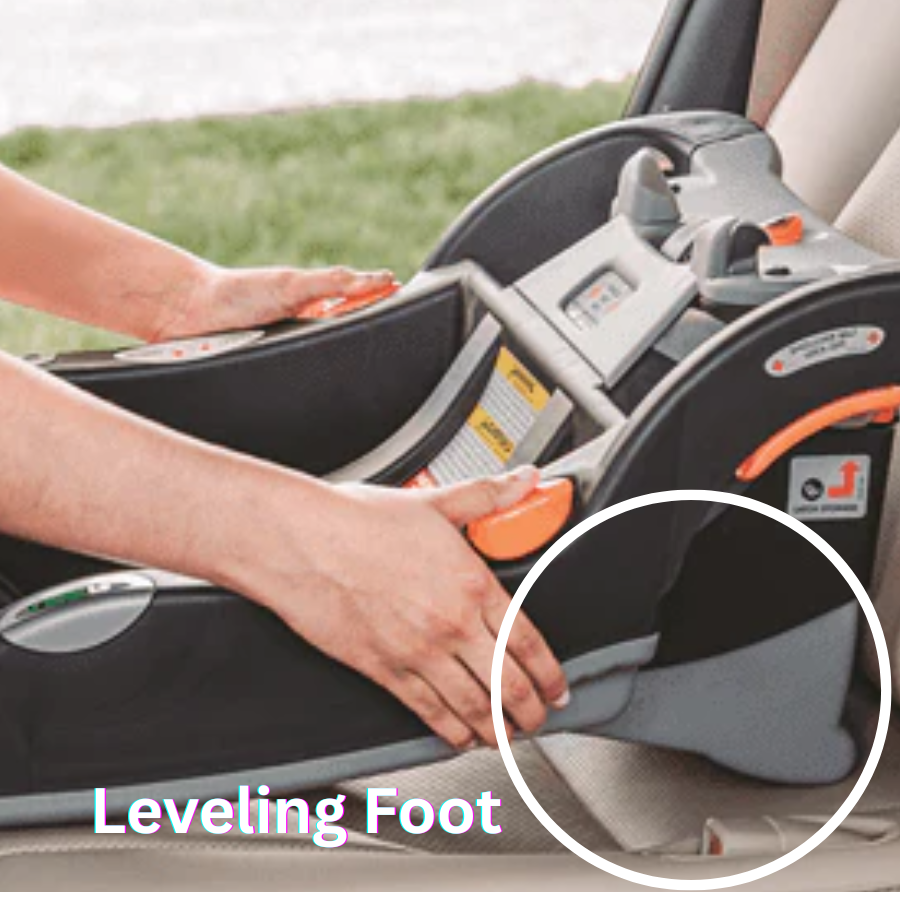
A built-in adjustable foot at the base that helps set the correct recline angle for your baby. A recline angle is the angle of the seat relative to the vehicle’s seat. For newborns, this angle is typically 40-45 degrees, which helps keep the head from tipping forward and keeps the airway open and breathing safe during rides.
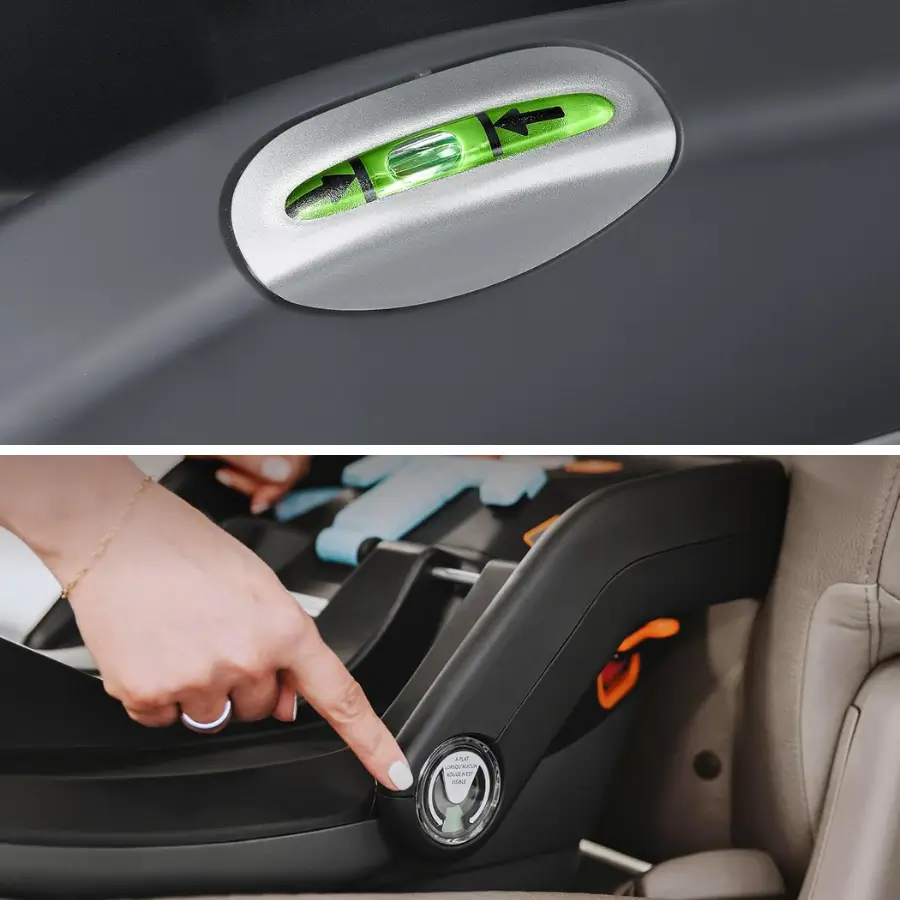
Recline Angle Indicator
The Recline Angle Indicator helps position the seat at the correct angle. It works with the leveling foot to guide you visually — typically through a bubble level or a sliding color scale — ensuring the car seat is positioned perfectly for your baby’s age and size. Many modern bases feature a bubble or color indicator to indicate when the recline angle is just right.
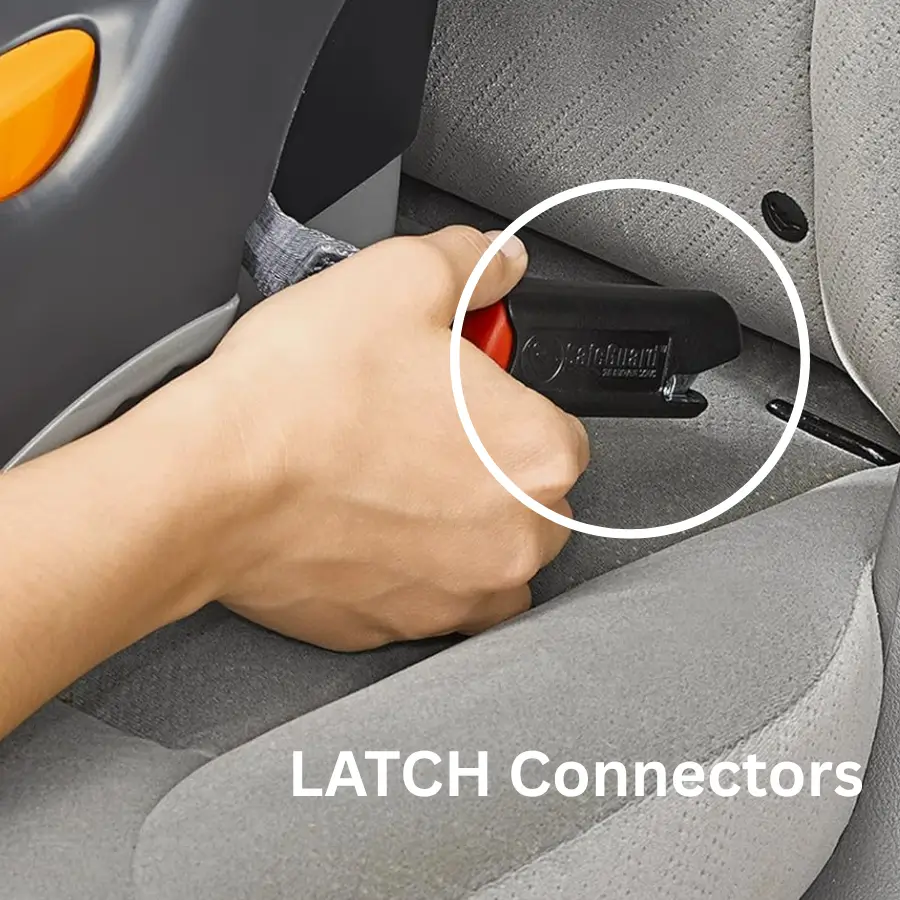
LATCH Connectors
Latch connectors are built-in attachments that allow you to install the car seat base using the LATCH system in your car without using the car’s seat belt.
Seat Belt Path
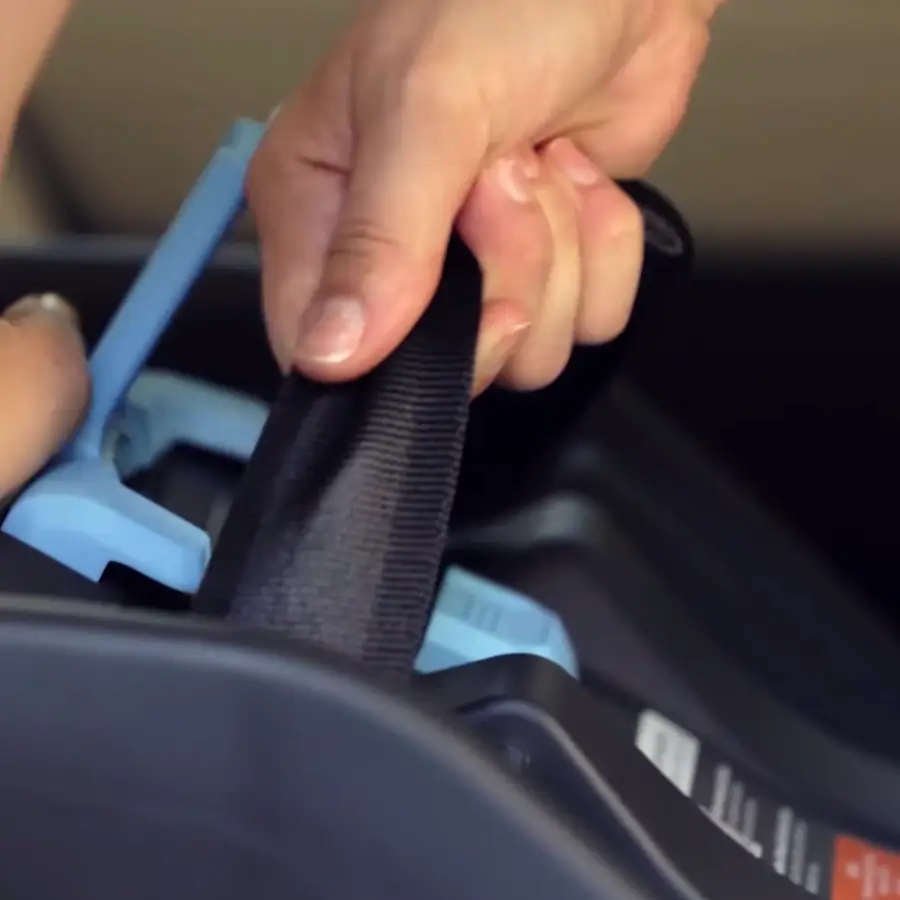
The seat belt path is a marked route on the base or seat shell through which the vehicle seatbelt threads when installed without LATCH. It is essential for vehicles without lower anchors or when your baby exceeds the LATCH weight limits.
🚗Why an Infant Car Seat Is the Safest Start for Your Baby
Now that we’ve covered the main parts and key facts about infant car seats, it’s easy to understand why they’re considered the safest start for your baby. Every detail — from the snug harness to the protective shell — is designed with your newborn’s safety in mind. Below are the key benefits that make an infant car seat an essential choice for parents and safety experts.
1. Superior Protection for Fragile Newborns
Your baby’s body is still developing in the first few months of life. Their neck muscles are weak, their bones are soft, and their head makes up a larger portion of their body weight. That’s why ordinary seats or carriers simply aren’t safe for newborns. An infant car seat is purpose-built to support these delicate areas and protect your baby during every ride.
The deep, contoured shell and energy-absorbing materials cradle your baby in a snug, secure position. and minimize movement during sharp turns or sudden stops. The five-point harness keeps your baby snug. The recline angle ensures their body is adequately aligned. This keeps their airway open and their breathing comfortable.
2. Proven, Crash-Tested Safety You Can Rely On
Every infant car seat on the market must pass rigorous crash-testing standards before it reaches your hands — giving parents peace of mind that these seats are built to perform when it matters most.
Infant car seats feature impact protection. They undergo front, rear, and side-impact crash simulations to ensure they can survive collisions and lessen the force on your baby’s body. Many top manufacturers use innovative energy-absorbing bases, anti-rebound bars, and load legs to enhance stability and exceed the minimum U.S. safety standards (FMVSS 213).
3. Rear-Facing Design for Maximum Impact Absorption
The rear-facing position provides the best protection in a crash. It distributes crash forces evenly across your baby’s back, shoulders, and head instead of concentrating the impact on the fragile neck and spine.
According to the American Academy of Pediatrics (AAP), keeping your child rear-facing for as long as possible — ideally until at least 2 years — offers the best protection in a crash. This thoughtful orientation supports your baby’s developing body and gives you peace of mind knowing they’re traveling safely.
4. Designed for Everyday Convenience
These lightweight, portable seats click effortlessly into a base installed in your car. Many infant seats attach directly to compatible strollers, creating a travel system.
This allows you to move your infant in and out of your automobile without waking them by simply clicking into a base installed in your vehicle. Extra features like easy-clean fabrics, adjustable handles, and one-hand harness systems add convenience while keeping your baby safe and snug.
5. Secure and Consistent Installation
Even the best car seat can’t protect your baby if installed incorrectly. In fact, improper installation can reduce the safety benefits of any car seat.
That’s why infant car seats feature innovative features such as LATCH connectors, level indicators, and lock-off clips. These features are designed to reduce or eliminate installation errors and help parents achieve a snug, secure fit every time.
Whether installing with LATCH, using a seat belt, or without a base for rideshares, always follow the manufacturer’s instructions carefully. For step-by-step guidance, check out our detailed post 👇
6. Designed to Grow
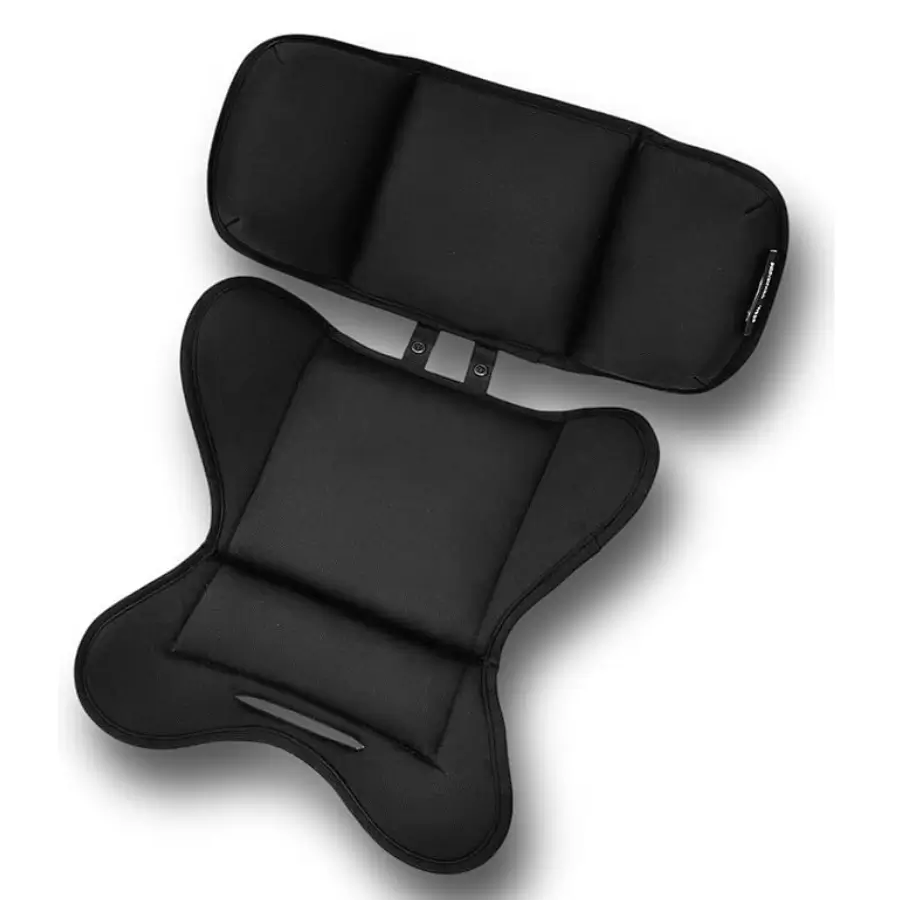
Your baby grows faster than you can imagine in the early months of their life. A good infant car seat grows with them. Most models offer adjustable harnesses, removable newborn inserts, and expandable head supports. During the early stages of your baby’s growth, these characteristics guarantee a tight, secure, and cozy fit.
7. Recommended by Experts and Hospitals
Pediatricians, safety organizations, and hospitals agree that an infant car seat is essential for newborn safety. In fact, most hospitals won’t allow parents to take their newborn home without a certified infant car seat properly installed.
8. Car Seat Laws in the U.S.
Using a car seat isn’t just a recommendation regarding child safety — it’s the law. In the United States, all 50 states require infants and young children to ride in a federally approved car seat that meets safety standards.
Most states require babies to ride rear-facing until at least 1 year old. Many states, including California, New Jersey, Oregon, and Pennsylvania, now recommend or require rear-facing seats until age 2.
You can explore your state’s latest rules in our detailed guide 👇
🍼 How to Choose the Right Infant Car Seat
Choose an infant car seat that fits your baby’s size, vehicle, and lifestyle while meeting all federal safety standards.
From easy installation to stroller compatibility, every detail ensures your baby’s first rides are safe, comfortable, and stress-free.
Learn about all the factors to consider when selecting the best infant car seat in our buying guide 👇
Frequently Asked Questions
Why is a rear-facing car seat safer for babies?
In a crash, a rear-facing car seat distributes crash forces across the back of your baby’s body, protecting their fragile neck and spine. Pediatricians and the American Academy of Pediatrics recommend keeping children rear-facing until age 2.
What features should I look for in a good infant car seat?
Look for safety certifications, side-impact protection, a 5-point harness, easy installation features like LATCH connectors, and a removable, washable seat pad for comfort and convenience.
Do hospitals require an infant car seat before discharge?
Yes. Most hospitals will not allow you to take your newborn home without a certified car seat. It’s a legal and safety requirement to ensure your baby’s first ride home is secure.
What is an infant car seat used for?
An infant car seat is designed to keep newborns and young babies safe during car travel. It provides head, neck, and spine support while protecting your baby during a crash.
💖 Final Thoughts
With an infant car seat, your baby has the safest possible start in life. It was specifically designed for babies and offers the ideal balance of comfort, support, and protection. Its rear-facing design, snug fit, and easy installation work together to keep your baby safe from the very first ride.
Are you ready to find the infant car seat that best fits your family?
Check out our expert picks for 2025👇