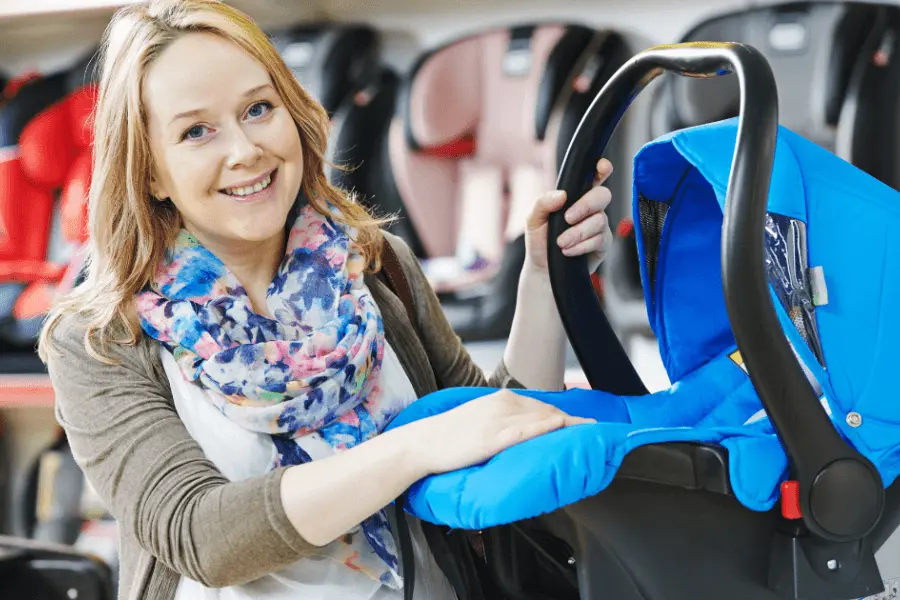
When you’re preparing to bring your newborn home, one of the most important decisions you’ll make is how to keep them safe on the road. That’s where infant car seats come in—they’re not just a convenience; they’re a critical part of your baby’s safety from day one. Understanding how to choose the right infant car seat can make all the difference. With so many brands, features, and safety standards available, making an informed choice helps ensure your little one is adequately protected on every drive—whether it’s a quick trip to the store or a long-distance journey to visit family.
As a parent, you want to do everything right—and that starts with selecting a car seat that fits your baby, your vehicle, and your lifestyle. In this guide, we’ll walk you through everything you need to know to feel confident about your choice.
Disclosure: As an Amazon Associate, we earn from qualifying purchases. Learn more.
🚗 What Is an Infant Car Seat and Why Is It the Best Option?
An infant car seat is a rear-facing seat designed specifically for newborns and smaller babies—typically from birth up to around 30–35 lbs or 32 inches in height. These seats are not just a recommendation—these seats are mandatory by law in the United States for transporting infants safely in vehicles.
According to the National Highway Traffic Safety Administration (NHTSA), all infants under age one must ride in a rear-facing car seat until they reach the top height or weight limit allowed by their seat. The American Academy of Pediatrics (AAP) also strongly recommends rear-facing seats for as long as possible (1- to 3-years), as this position provides the best protection for a baby’s head, neck, and spine.
According to the Centers for Disease Control and Prevention | CDC ), from a study using fatal crash data, researchers found that 30% of 0–3-year-olds killed in crashes were not buckled up. Correct use of an infant car seat appropriate for your child’s age and size saves lives by providing significantly more protection in a crash.
Here’s why infant car seats are the go-to choice for newborns:
They provide a snug and secure fit that correctly supports a baby’s petite frame, keeping them safely restrained during every ride.
Most infant seats are lightweight and easy to carry, allowing you to move your baby in and out of the car without disturbing their sleep.
Many models are compatible with travel systems, so you can effortlessly click the car seat into a matching stroller for on-the-go convenience.
They offer enhanced head and neck support, which is especially important for newborns whose muscles are still developing.
💡 Still deciding if an infant seat is the right type for your baby? Explore the 5 Types of Baby Car Seats To Ensure Your Child’s Safety from Day One to see how they compare across different age groups and needs.
🧸 Types of Infant Car Seats: What Are Your Options?
While all infant car seats are rear-facing by design, there are a few variations to consider based on functionality and convenience:
1. Standard Infant Car Seats
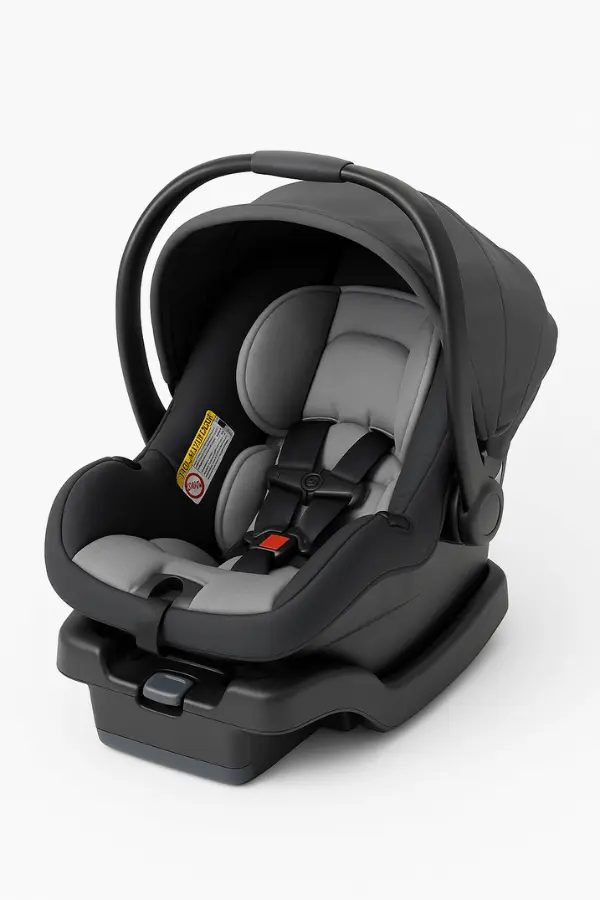
These come with a detachable carrier and a base that stays installed in your car. They’re the most common option and work well for everyday use.
2. Lightweight or Travel-Friendly Models
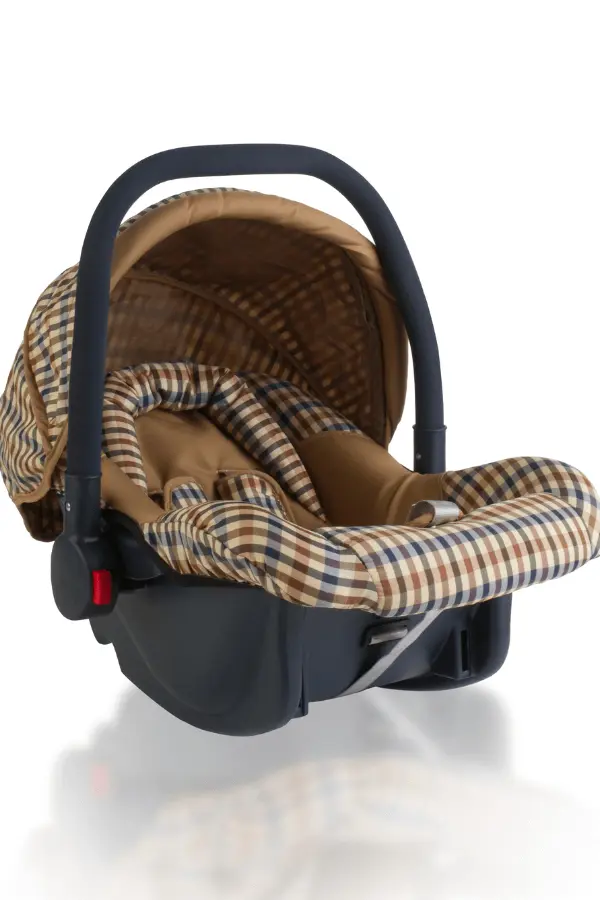
While still “standard” in their function (rear-facing, detachable carrier and base), these are designed for easy transport. That’s why these are lighter and more compact—ideal for travel, city living, or frequent switching between vehicles.
3. Car Seat-Stroller Combos (Travel Systems)
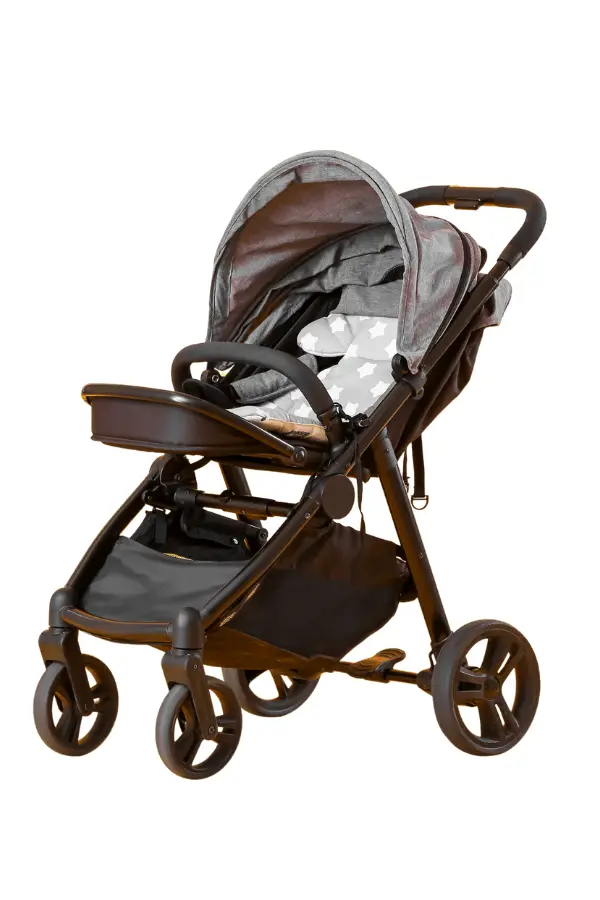
These include an infant car seat and a compatible stroller sold together. You can move your baby from car to stroller without unbuckling—perfect for parents who are always on the go.
📝 Top Factors to Consider Before Buying an Infant Car Seat
Choosing the right infant car seat goes far beyond picking the one that looks the nicest or has the highest price tag. As a parent, you’re making a decision that directly impacts your baby’s safety, comfort, and day-to-day convenience. From crash-test performance to how easily it fits in your vehicle, every detail matters. In this section, we’ll walk you through the most critical factors to consider—so you can shop with confidence and choose a seat that genuinely fits your family’s needs.
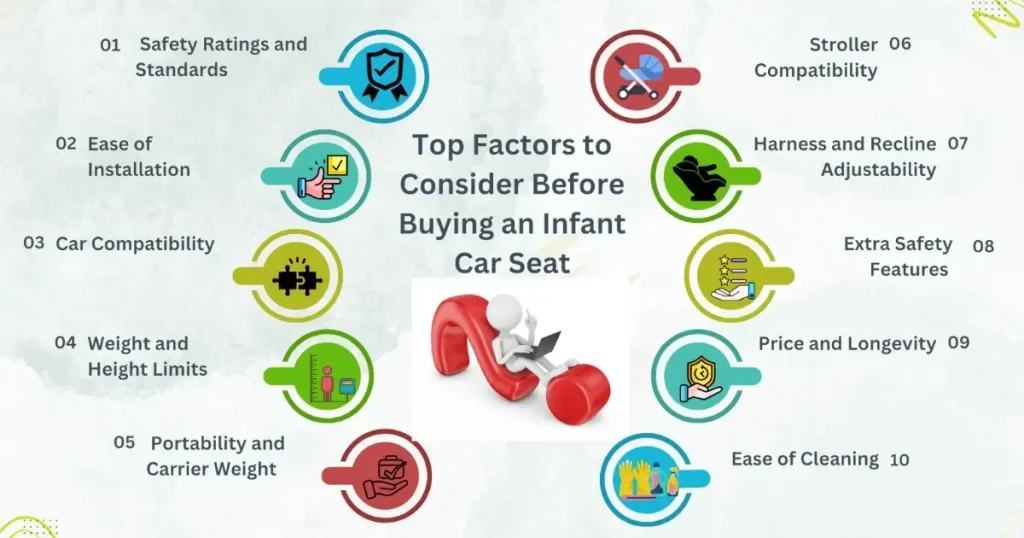
1. Safety Ratings and Standards
When it comes to infant car seats, safety is non-negotiable. In the U.S., all car seats must meet the Federal Motor Vehicle Safety Standard (FMVSS) 213, which ensures they pass baseline crash tests before being sold. To see how these regulations apply in your state, check out our guide 👇
It means that even entry-level seats offer a solid foundation of protection. However, many premium and mid-range models go above and beyond the minimum—and that’s where parents should pay close attention.
Look for seats with:
- High safety ratings from independent reviewers like Consumer Reports or the Insurance Institute for Highway Safety (IIHS), which conduct additional, rigorous crash tests.
- A 5-point harness system, now standard on most models, which secures your baby at the shoulders, hips, and between the legs to distribute crash forces evenly.
- Side-impact protection, including deep side wings or energy-absorbing foam, to help shield your baby’s head and upper body from lateral collisions.
💡 Parent Tip: Don’t be inspired by the brand alone. Dig into the safety features, certifications, and crash test data. A seat that exceeds federal standards is always worth the investment.
2. Ease of Installation
Even the safest car seat can’t do its job if it’s installed incorrectly—and sadly, that’s a common issue. According to the NHTSA, nearly half of all car seats are misused in a way that could reduce their effectiveness during a crash.
That’s why ease of installation is a significant factor to consider. Look for features that make the setup process more foolproof:
- ✅ LATCH system compatibility (Lower Anchors and Tethers for Children) allows you to install the seat without using the seat belt. It’s available in most cars made after 2002.
- ✅ Mark belt paths and color-coded guides help you route the vehicle belt or LATCH straps properly. Not sure which one is safer or easier? Learn more in our LATCH vs. Seat Belt comparison guide.
- ✅ Built-in level indicators ensure the seat is reclined at the correct angle—especially important for newborns with limited head control.
- ✅ Click-and-go mechanisms or audible “clicks” let you know when the seat is locked into the base securely.
💡 Parent Tip: Always read both your car seat manual and your vehicle’s manual before installation. Many fire stations and hospitals also offer free car seat safety checks if you want extra reassurance.
3. Car Compatibility (Size and Fit)
Not all infant car seats fit perfectly in every vehicle—and this is something many parents overlook until installation day. Your car’s interior space, seat shape, and even the location of seatbelt anchors or LATCH points can all affect whether a car seat fits safely and securely.
Before buying, make sure to:
- ✅ Measure your back seat space, especially if you have a smaller car or need to fit multiple car seats.
- ✅ Check if the car seat base has adjustable recline angles to accommodate different vehicle seat slopes.
- ✅ Review your vehicle owner’s manual to confirm LATCH compatibility and the safest seating positions (typically, the middle rear seat is best, but not always practical).
- ✅ Consider compact models if you drive a small sedan or hatchback—some infant seats are specifically designed to save space without compromising safety.
💡 Parent Tip: Many brands offer fit guides or even allow you to test the seat in your vehicle before purchasing at baby gear stores. Always check for a secure fit before committing.
4. Weight and Height Limits
Every infant car seat comes with specific weight and height limits—and choosing the right range is essential for both safety and longevity.
Most infant car seats are designed to accommodate babies from 4 to 30 or 35 pounds and up to 30 to 32 inches in height. But here’s the catch: your baby may outgrow the seat by height before reaching the weight limit. That’s why it’s essential to look at both numbers.
Here’s what to keep in mind:
- ✅ If your baby is taller, look for a seat with a higher height limit to avoid upgrading too soon.
- ✅ Some models offer low birth weight inserts, making them suitable for preemies or smaller newborns starting at 4 pounds.
- ✅ Rear-facing is the safest position for babies, and pediatricians—including the American Academy of Pediatrics (AAP)—recommend keeping your child rear-facing for as long as possible, within the seat’s limits.
💡 Parent Tip: Always stop using the seat once either the height or weight limit is exceeded—even if only one is reached.
5. Portability and Carrier Weight
Infant car seats double as carriers, so you’ll likely be lifting and carrying them often—whether it’s into a doctor’s office, up a flight of stairs, or clicking it into a stroller. That’s why portability matters more than you might think.
Most infant car seats weigh between 7 and 11 pounds without the baby inside. Add in your growing little one, and suddenly, you’re hauling 20+ pounds with one arm!
Here’s what to consider:
- ✅ If you expect to carry the seat frequently (especially in and out of buildings), look for lightweight models specifically designed for travel or urban living.
- ✅ Check the handle design—some are more ergonomic than others, which can reduce wrist or forearm strain.
- ✅ A compact base can also help if you’re juggling multiple seats or have a smaller vehicle.
💡 Parent Tip: Try lifting the seat with one hand (in-store or at a friend’s house) to see how manageable it feels—portability can be a game-changer during the newborn phase.
6. Stroller Compatibility
One of the biggest perks of using an infant car seat is how easily it can click into a compatible stroller, creating a convenient travel system. This allows you to move your sleeping baby from car to stroller—and back again—without waking them up.
Here’s what to look for:
- ✅ Many brands sell travel system bundles, which include a stroller and infant car seat designed to work seamlessly together.
- ✅ If you’re mixing brands, make sure to check for adapter availability. Some strollers require separate attachments to fit different car seat models.
- ✅ Think long-term: Is the stroller only for infancy, or can it convert to accommodate toddlers, too? A flexible travel system can save money down the road.
💡 Parent Tip: If you already own a stroller or plan to buy a specific one, double-check its compatibility list before choosing a car seat. Not all “universal” options are truly universal.
7. Harness and Recline Adjustability
A properly fitted harness and correct seat angle are essential for both safety and comfort, especially during your baby’s early months when head and neck control are still developing.
Here’s why adjustability matters:
- ✅ Look for seats with a no-rethread harness, as this feature allows you to adjust the harness height without uninstalling the seat as your baby grows. It’s a huge time-saver and ensures a snug fit at every stage.
- ✅ Multiple recline positions help you achieve the safest angle for your baby’s age and your car’s seat design. Some bases include bubble or line indicators to guide you.
- ✅ A tight and properly positioned harness should be at or just below your baby’s shoulders and pass the “pinch test” (no slack at the collarbone).
💡 Parent Tip: The right recline angle isn’t just about comfort—it helps prevent your baby’s head from falling forward, which can compromise breathing in infants under 6 months.
8. Extra Safety Features to Look For
While all car seats sold in the U.S. must meet basic federal safety standards, many manufacturers now go beyond the basics by adding advanced safety technologies that offer enhanced protection and peace of mind.
Here are some of the most valuable built-in safety features to consider:
- ✅ Energy-absorbing base: Designed to reduce crash forces by absorbing impact energy before it reaches your baby. Some models also include crumple zones for added protection.
- ✅ Side-impact protection: This includes reinforced walls, energy-absorbing foam (like EPS or EPP), or deep head wings to shield your baby in the event of a side collision.
- ✅ Newborn inserts and head support: These soft, contoured cushions help secure smaller infants properly and prevent their heads from slumping forward. Some are removable as your baby grows.
- ✅ Anti-rebound bar or load leg: Found in higher-end models, these features stabilize the seat during a crash and reduce rotational movement, which can protect your baby’s spine and neck.
💡 Parent Tip: Even if you’re on a budget, look for models that include at least side-impact protection and a 5-point harness. These features make a noticeable difference in real-world crash scenarios.
9. Price and Longevity
Infant car seats come in a wide range of prices—from about $70 to over $350. Many parents think that a higher price means better safety, but it is not so. A higher price usually reflects added features, materials, or brand reputation.
Here’s how to weigh the cost versus value:
- ✅ Budget-friendly models still meet federal safety standards, so you’re not compromising on core protection.
- ✅ Pricier seats often include premium fabrics, easier installation systems, extra safety enhancements, and longer usage limits (e.g., higher weight/height caps).
- ✅ Consider how long you’ll use the seat. Infant car seats typically last around 12–18 months, depending on your baby’s growth.
- ✅ If you plan to have more children, investing in a durable, well-reviewed seat may make sense long-term. Just be sure to check expiration dates (usually 6–10 years from manufacture).
💡 Parent Tip: Don’t feel pressured to buy the most expensive option. The best seat is the one that fits your baby, fits your car, and fits your lifestyle—all while keeping your little one safe.
10. Ease of Cleaning
Let’s be honest—babies are messy. Between spit-ups, diaper leaks, and snack spills, your infant car seat is bound to take a hit. That’s why easy cleaning is a huge plus. Look for seats with removable, machine-washable covers and smooth, wipeable surfaces. Some models even use stain-resistant fabrics to help keep things looking fresh with minimal effort. Trust us—your future self will thank you every time cleanup takes minutes instead of hours.
🧼 Need help with cleaning tips? Check out our guide on how to clean a baby car seat and remove tough messes for step-by-step instructions that make the job easier.
🚗 Lifestyle Tips: What’s Best for Your Family?
Choosing the right infant car seat isn’t just about safety specs—it’s about finding what truly fits your day-to-day life. Your lifestyle plays a significant role in which features will matter most to you, so ask yourself a few key questions before you decide:
Tip#1: Do you travel frequently?
Look for a lightweight seat that’s easy to carry through airports or public transit. Bonus points if it’s FAA-approved for airplane use and comes with a travel bag or compact design. For more travelling tips, visit our guide 👇
Tip#2: Do you use ride-shares or switch cars often?
Go for a model that allows you to purchase additional bases. This way, you can easily click the carrier into multiple vehicles without reinstalling each time.
Tip#3 Live in a walkable or urban area?
A car seat-stroller combo (travel system) is your best friend. It lets you move seamlessly from car to sidewalk without disturbing a sleeping baby—perfect for errands or daily walks.
Tip#4: Need more room in the backseat?
Opt for a slim or narrow-profile car seat. These are ideal for compact vehicles or when you need to fit multiple car seats side-by-side.
💡 Parent Tip: Think beyond the newborn months—choose a seat that matches your routine now and grows with your needs later. The right choice should make your life easier, not more complicated.
Common Mistakes to Avoid When Choosing an Infant Car Seat
Choosing the right infant car seat is a big decision, and it’s easy to make mistakes that could affect safety and convenience. Here are some common pitfalls to watch out for:
1. Buying based on looks or price alone
It’s tempting to pick the cutest design or the cheapest option, but safety and fit are far more critical. Always prioritize crash-test ratings, fit for your car, and ease of use over style or a low price tag.
2. Ignoring expiration dates
Car seats don’t last forever. Over time, materials can degrade, and safety standards evolve. Check the expiration date stamped on the seat—usually 6 to 10 years from manufacture—and never use a seat past that date.
3. Not checking car compatibility
Even the safest seat won’t protect your baby if it doesn’t fit securely in your vehicle. Measure your backseat space and verify that the seat can be installed properly in your car before buying. Risks of second-hand seatsUsed car seats may have hidden damage, missing parts, or unknown crash history. Unless you are sure of the seat’s history and condition, it’s best to avoid second-hand seats.
💡 Parent Tip: When in doubt, consult certified car seat technicians or visit local safety inspection events to get expert advice.
🛒 Top Infant Car Seat Recommendations
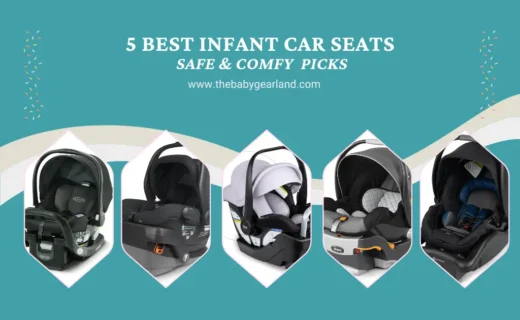
Ready to find the perfect infant car seat? We’ve done the hard work for you with a detailed review of the best options on the market. For a complete comparison, be sure to check out our in-depth guide: 5 Best Infant Car Seats
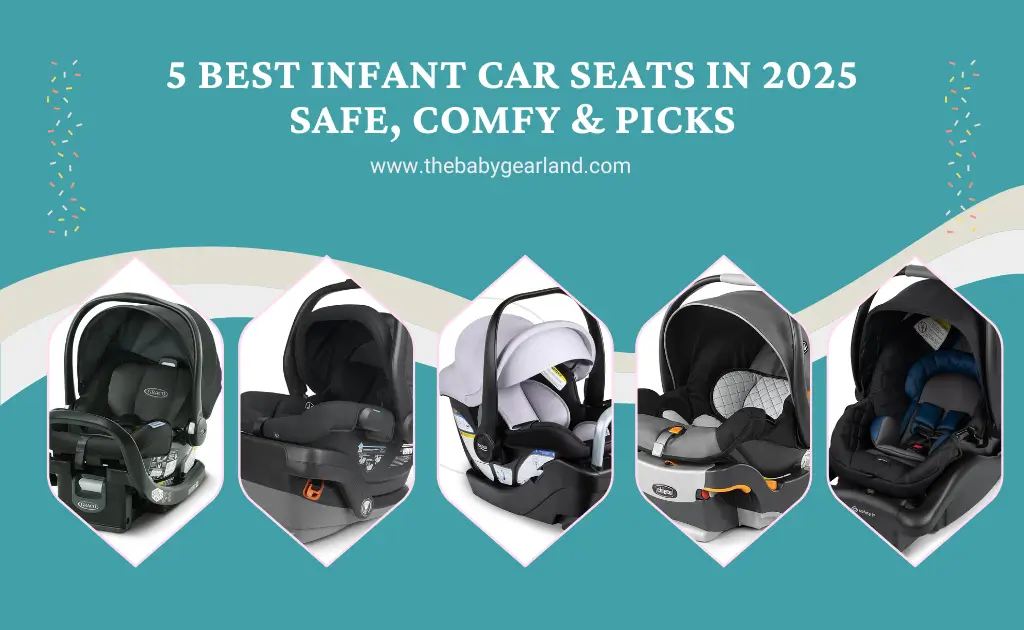
Here’s a quick sneak peek at some of our favorites:
Graco SnugRide SnugFit Infant Car Seat — Best for first-time parents who want a reliable, easy-to-use option. Read our in-depth review for detailed insights.
Chicco KeyFit 30 Infant Car Seat — Ideal for families with compact cars needing a snug, space-saving fit.
UPPAbaby Mesa V2 Infant Car Seat — Perfect for parents looking for premium safety features and a sleek design.
Britax Willow S Infant Car Seat with Alpine Base — Stands out for super easy installation and extra peace of mind.
Safety 1ˢᵗ® onBoard™ Insta-Latch™ DLX Infant Car Seat — A fantastic budget-friendly choice without compromising essential safety.
🛠 How to Install an Infant Car Seat Safely
Installing your infant car seat correctly is just as important as choosing the right one. Don’t rush this step—it can make all the difference in keeping your baby safe.
Here’s a quick installation checklist:
- Read both manuals — Your car’s manual and the car seat’s manual have important, specific instructions.
- Use either the LATCH system or the seatbelt — Not both at the same time unless your car’s manual specifically says it’s okay.
- Position the seat rear-facing at a 30–45 degree angle — This angle keeps your baby’s airway open and safe.
- Perform the pinch test — After installation, grab the base and wiggle it side-to-side and front-to-back. It should move less than one inch.
💡 Want detailed step-by-step help?
Check out our complete guide 👉 How to Install An Infant Car Seat Like A Pro: 5 Easy Steps
Pro Tip: Use and install a good-quality baby car mirror to watch your child while using a rear-facing car seat. It helps you keep an eye on your little one safely without turning around while driving.
Frequently Asked Questions
What is the safest infant car seat?
Safety standards in infant car seats continue to improve, and several models consistently stand out for their strong safety performance. Options like the Chicco KeyFit 30 Infant Car Seat, Graco SnugRide SnugFit Infant Car Seat, and UPPAbaby MESA V2 Infant Car Seat are widely recognized for their excellent safety features, including side-impact protection and secure, easy installation systems.
How long can my baby use an infant car seat?
Infant car seats are typically designed for babies from birth up to 30–35 lbs or until they reach the height limit specified by the manufacturer, often around 30–32 inches. This usually accommodates babies up to 12–15 months old. It’s essential to check your specific car seat’s guidelines and transition to a convertible car seat once your baby outgrows the infant seat.
Are infant car seats compatible with all strollers?
Not all infant car seats are universally compatible with every stroller—many brands design travel systems where the car seat and stroller are made to work seamlessly together. However, with the use of adapters, some car seats can fit onto strollers from different brands. Always verify compatibility before purchasing to ensure a secure fit.
Can I install an infant car seat without the base?
Yes, you can! Most infant car seats are designed to be safely installed without the base by using your vehicle’s seat belt. This can be super handy when you’re traveling, hopping into a taxi, or using a ride-share service. That said, the base usually makes installation quicker and can offer a more secure fit. Just make sure to follow the instructions in your car seat’s manual for the safest setup.
What features should I look for in the best infant car seats?
When picking the best infant car seat, focus on these essential factors:
- Safety Ratings and Built-In Protection
- Ease of Installation
- Compatibility with Your Vehicle
- Comfort and Support for the Baby
- Portability and Weight
- Stroller Compatibility
- Size and Fit in Your Backseat
- Infant Height and Weight Limits
- Price and Warranty
- Ease of Cleaning
Each of these plays a role in finding a car seat that’s not just safe but also fits your family’s needs.
Do infant car seats expire?
Yes, most infant car seats expire 6 to 10 years after the manufacture date. Materials can degrade over time, and safety standards change. Always check the expiration label on the seat.
Can I use a second-hand infant car seat?
It’s not recommended unless you know the whole history of the seat. Used seats may have expired, been recalled, or been involved in a crash. If you must use one, ensure it hasn’t passed its expiration date and has all original parts and labels intact.
Final Verdict
Choosing the right infant car seat is a big step—and it’s okay to take your time with it. Instead of just going with what friends recommend, focus on what truly fits your baby’s needs and your daily routine. By understanding how to choose the right infant car seat, you’re giving yourself the tools to make a wise, confident decision based on objective safety standards, comfort, and convenience. The best car seat isn’t just the safest—it’s the one that works for you. So take a breath, do a little research, and feel good knowing you’re doing what’s best for your little one.