
You’ve probably heard that installing a baby car seat is as simple as buckling it up and driving off. But here’s the thing: it’s not. Many parents assume that using the seatbelt alone is enough, but that’s not always the safest option. Enter the LATCH system—a game-changer in child car seat safety that makes securing your little one easier and more reliable.
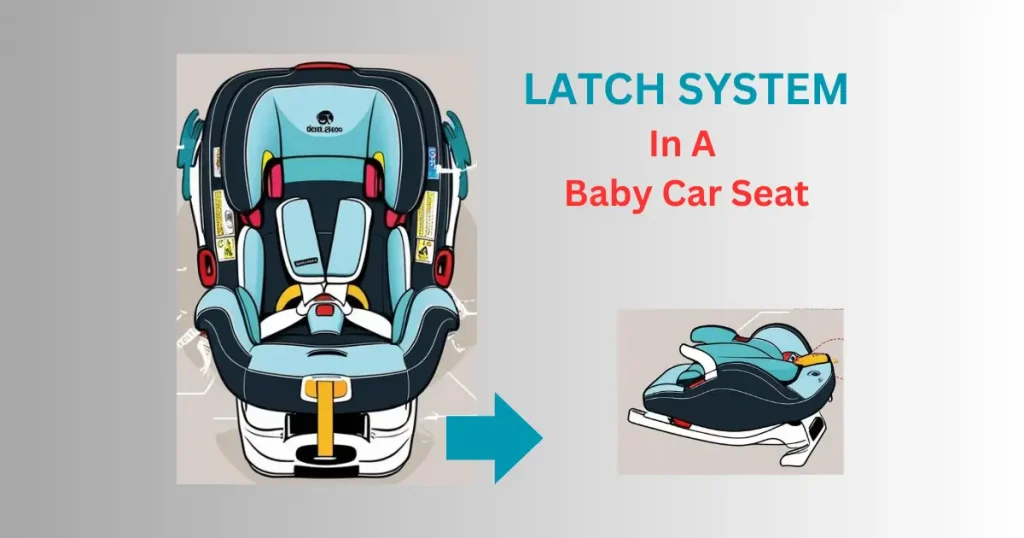
If you’re wondering what the LATCH system is and why it’s important, you’ve come to the right place. Let’s break it down!
1. What Is the LATCH System in a Baby Car Seat?
The acronym for the LATCH system is Lower Anchors and Tethers for Children. It is a standardized way to attach car seats to your vehicle without needing a seatbelt. Think of it as a built-in safety net to secure your baby’s car seat during every ride.
Before the LATCH system, parents primarily relied on seat belts to install car seats. While seatbelts are effective, they often leave room for error due to complicated threading and adjustment processes. Many parents unknowingly installed their seats incorrectly, leading to crash safety risks.
The LATCH system was introduced to eliminate these issues. It became mandatory in vehicles and car seats manufactured after 2002 in the United States. The goal was to create a universal installation method that’s easy and reliable.
2. Why Is the LATCH System Important?
The LATCH system is a critical safety feature designed to simplify the proper installation of car seats, reducing the risk of injury during a crash. Misuse is defined as the characteristics of installing the car seat/booster seat in the vehicle that may reduce the protection or effectiveness of the car seat in the event of a crash.
As reported by the National Highway Traffic Safety Administration (NHTSA), the overall misuse of baby car seats is estimated to be 46 percent, significantly compromising child safety. The LATCH system helps address this issue by providing clear anchor points and minimizing installation errors. Studies show that using the LATCH system correctly can significantly reduce the number of incorrectly installed car seats.
The LATCH system is an essential safety feature when choosing your child’s baby car seat. It ensures a more secure and stable installation than seat belts alone, significantly reducing the risk of improper setup.
For more details, please visit our complete guide to choosing the right car seat.
3. How Does the LATCH System Work?
The LATCH system has four essential components, each critical in securing your baby’s car seat. Two of these components are in baby car seats; the other two are built into your vehicle seat.
Components In Vehicle Seat

Lower Anchors
These are small metal bars built into the seat of your car. They’re located where the seat bottom and backrest meet.
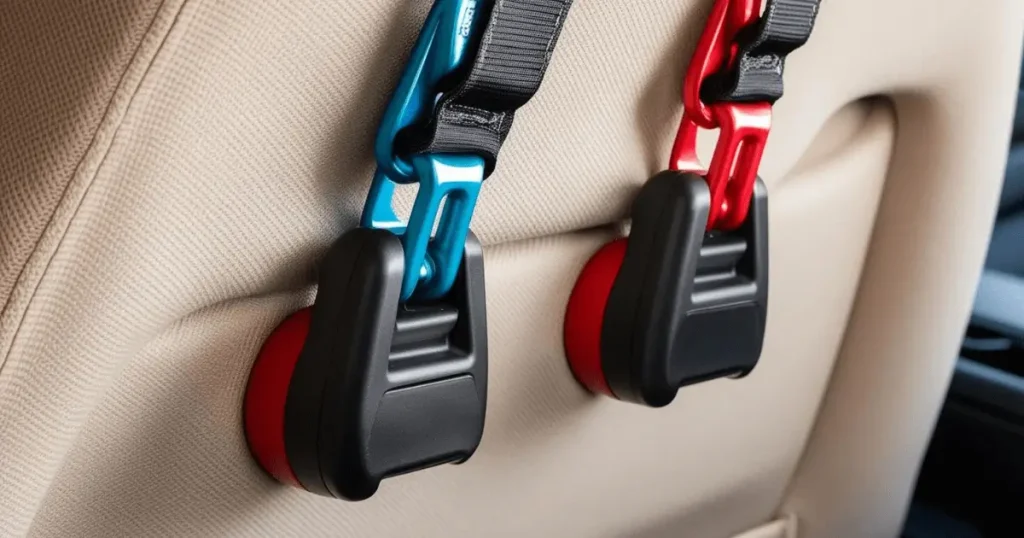
Tether Anchors
Tethers are straps attached to the baby’s car seat. Depending on your car’s design, they connect to tether anchors in your vehicle, usually found on the back of the seat or in the ceiling.
Components In A Baby Car Seat
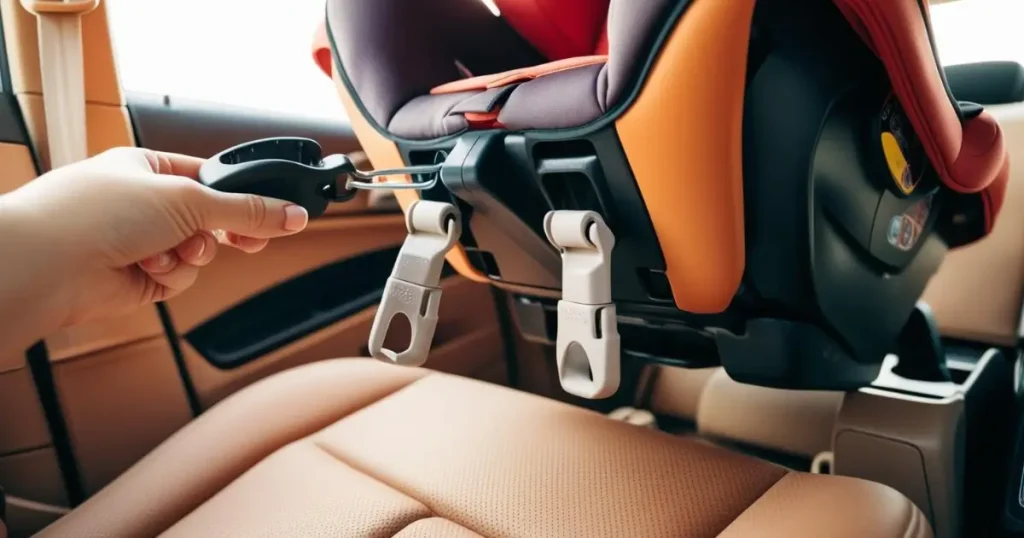
Lower Anchor Connectors
These clips on your baby’s car seat attach to the lower anchors in your car. Think of them as the “hands” that grip onto the metal bars.
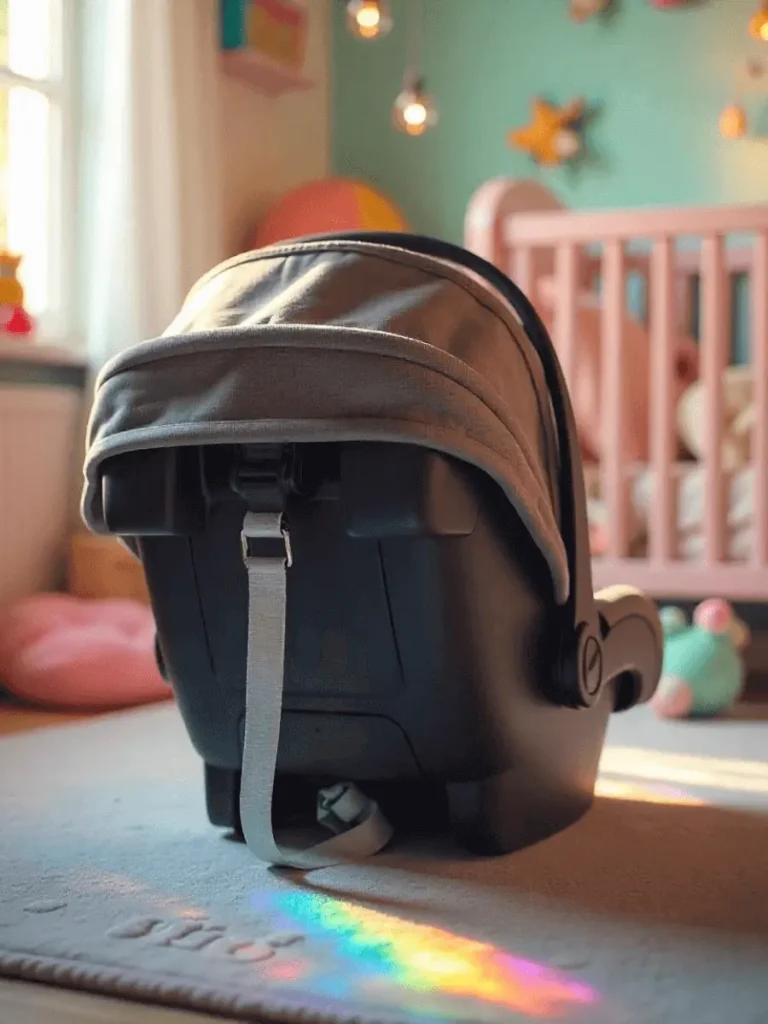
Tether Strap And Hook
These tether straps and hooks are available on the baby’s car seat and are attached to tether anchors attached to your vehicle (car seat).
4. Installing A Baby Car Seat Using The LATCH System
Let’s clear up a common myth: the LATCH system in a baby car seat doesn’t make installation foolproof. Many parents believe attaching the anchors is enough, but that’s not entirely true. Proper use requires understanding the system and following specific steps to install your car seat securely. Don’t worry, though! With some guidance, you’ll have your car seat securely installed quickly.
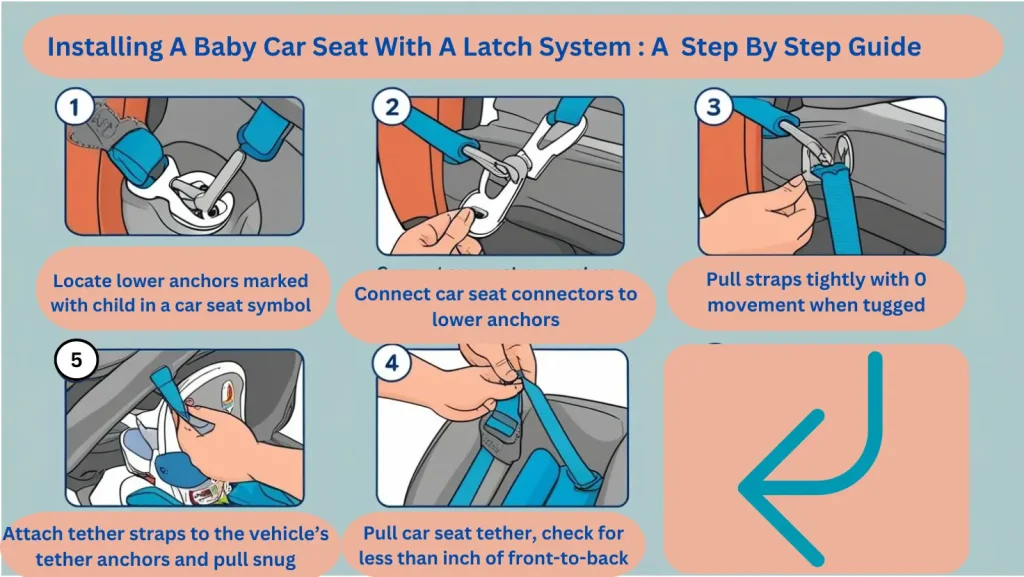
Step-by-Step Installation Guide
The following are the steps that make the installation of a baby car seat in a vehicle using the LATCH system quicker and more manageable. Skipping a few key steps can lead to an improperly installed car seat—one of the biggest safety risks for children.
- Get Ready
- Read both your car seat manual and your vehicle’s owner manual. They provide detailed instructions on where the anchors are and how to use them.
- Locate the lower anchors in your car. Look for small symbols on the seat to guide you.
2. Attach the Lower Anchors
- Take the connectors attached to your baby’s car seat and clip them to the lower anchors in your vehicle.
- Listen for a “click.” This sound ensures they’re securely attached.
3. Tighten the Straps
- Pull the straps on the car seat to tighten the connection to the lower anchors.
- Test the seat by wiggling it side-to-side and front-to-back. It shouldn’t move more than an inch in any direction.
4. Secure the Tether
- For forward-facing seats, locate the tether anchor behind the car seat (this might be on the back of the vehicle’s seat or the ceiling).
- Connect the tether strap to the anchor and tighten it until it’s snug. This step reduces forward movement in a crash.
5. Check Your Work
- Ensure the car seat is level, especially for rear-facing installations. Most car seats have a built-in level indicator to help.
- If the seat isn’t steady, readjust the straps or refer to the manuals for additional troubleshooting.
Visual Indicators for Secure Installation
Many modern car seats come equipped with features to help you know when the installation is secure:
- Bubble Levels: These ensure the car seat is installed at the correct angle, especially for rear-facing seats.
- Click-Tight Systems: Some brands offer a click-tight feature that locks the seat in place automatically.
- Colour Indicators: Some seats have coloured markers that change when the straps are tightened correctly.
These little details take the guesswork out of installation, giving you peace of mind that your baby is safe.
Credit: Children’s Hospital of Philadelphia
5. Benefits Of The LATCH System
For starters, it simplifies the installation process. If you’ve ever wrestled with a seatbelt trying to get the car seat tight enough, you know how frustrating that can be. The LATCH system eliminates much of the guesswork.
Here are some quick reasons why you’ll love it:
- Ease of Use: Designed to be parent-friendly, even for first-timers.
- Improved Safety: A properly installed LATCH system minimizes movement, keeping your child more secure.
- Universal Standard: Almost all cars made after 2002 come equipped with the system, so compatibility isn’t an issue.
The best part is that you don’t need to be an expert to use a car seat; you only need to follow the directions.
6. How Does The LATCH System Help Parents?
Still not convinced? Let’s talk about the advantages:
- No More Seatbelt Problems
- Have you ever had trouble getting a seatbelt to stay tight? The LATCH system eliminates that problem. The lower anchors make installation much quicker and more secure.
- Extra Peace of Mind
- Knowing your baby’s car seat is firmly anchored can make every drive less stressful. It’s one less thing to worry about during your hectic day.
- Fits Most Modern Cars
- If your vehicle was built after 2002, chances are it’s equipped with LATCH-compatible anchors, making it easier to switch car seats between cars when needed.
7. Common Mistakes Parents Make With The LATCH System
Let’s face it—mistakes happen, especially when you’re juggling life as a busy parent. Here are some common errors to avoid:
Misusing the Tether Strap
Some parents forget to attach the tether strap when installing forward-facing seats. This step is critical for minimizing forward motion during a collision.
Ignoring Weight Limits
Every car seat has weight limits for the LATCH system. For most, this is around 65 pounds (combined weight of the child and the seat). If your child exceeds this, it’s time to switch to the seatbelt method.
Loose Connections
Not pulling the straps tight enough is a common oversight. A loose car seat can shift dangerously in an accident.
Skipping the Manuals
Many parents think they can wing it, but car seats and vehicles vary. Reading both manuals can save you from headaches—and ensure your child’s safety.
Using LATCH and a Seatbelt Together
While combining both methods offers extra security, it can create unnecessary stress on the car seat. Stick to one method at a time.
8. Common Challenges with LATCH Installation
Even with its simplicity, some parents run into challenges when using the LATCH system. Here’s how to tackle them:
- Hard-to-Reach Anchors: Some car designs make it tricky to access the lower anchors. A helpful tip is to press down on the car seat cushion to expose the anchors more clearly.
- Tightening the Straps: It can sometimes feel like you need superhuman strength to get the straps tight enough. Applying steady pressure while pulling can make this easier.
- Older Vehicles Without LATCH: If your car predates the LATCH system, don’t worry. You can still install the car seat using the seatbelt method, which is equally safe when done correctly.
Frequently Asked Questions
What Does LATCH Stand For?
LATCH symbolizes Lower Anchors and Tethers for Children. It’s designed to make car seat installation easier and safer by using built-in anchors and tethers instead of seat belts.
What Are The Benefits of the LATCH system?
Ease of Use: No more wrestling with seatbelts! The LATCH connectors click directly into the vehicle’s anchors.
Better Stability: The tether strap adds an extra layer of security, keeping the seat stable during sudden stops or crashes.
Fewer Installation Errors: With clear instructions and visual cues, the LATCH system significantly reduces the risk of improper installation.
What Is the Weight Limit for the LATCH System?
The weight limit is typically 65 pounds, which includes the combined weight of the car seat and your child. Check your car seat manual for specific guidelines, as the limits can vary by brand and model.
How Do I Find the Anchors in My Car?
Look for small symbols on the seat fabric or consult your car’s manual. The anchors are usually between the lower anchors’ seat cushions and behind the tether anchor seat.
Can I Use the LATCH System in the Middle Seat?
It depends on your car. Some vehicles have dedicated lower anchors in the middle seat, while others do not. If the middle seat doesn’t have anchors, you’ll need to use the seatbelt method for installation.
What Happens If My Car Doesn’t Have a LATCH System?
If your car was manufactured before 2002 (when LATCH became mandatory), you can install the car seat using the seatbelt method. All car seats are designed to work with seatbelts as well.
Do I Need to Replace My Car Seat After an Accident?
Yes, you should replace the car seat after any moderate or severe accident, as it may have hidden damage. Some manufacturers recommend replacing the seat even after a minor crash.
Final Thoughts
Installing a baby car seat with the LATCH system doesn’t have to be intimidating. Following the above steps and avoiding common mistakes, you can ensure your child is safe and secure on every ride. Proper installation isn’t just about convenience—it’s about providing the best protection for your little one.