
You’ve probably heard about convertible car seats if you’re a parent. But what exactly are they, and how do they work?
What is a Convertible Car Seat?
Think of a convertible car seat as the Swiss Army knife of car seats—it adapts as your child grows. Instead of buying multiple seats, you get one seat that transforms from rear-facing to forward-facing as your little one gets bigger. Sounds like a wise investment, right? Let’s break it down in a way that makes total sense.
The Magic of Convertible Car Seats (Why Parents Love Them!)
Convertible car seats are designed to grow with your child, covering multiple stages.
Stage 1: Rear-Facing Mode (For newborns & toddlers)
- Rear-facing is the safest position for infants.
- Typically used from birth to around 2-4 years old (depending on weight and height limits).

Stage 2: Forward-Facing Mode (For older toddlers & preschoolers)
- When your child outgrows the rear-facing limits, you switch to this mode.
- Typically used until 4-7 years old, depending on the seat’s harness limit.

How Does a Convertible Car Seat Work? (Simple Explanation!)
At first glance, a convertible car seat might look complicated, but it’s all about adjustability. That’s the beauty of a convertible seat!
1️⃣ Rear-Facing Setup

In a rear-facing setup, the seat is reclined at an angle that best supports a baby’s fragile neck and spine. The harness straps are positioned at or between their shoulders for a snug fit.
2️⃣ Forward-Facing Setup

You rotate the seat forward to make a forward-facing setup once your child reaches the rear-facing limit. The harness now sits at or above their shoulders, providing optimal safety.
Convertible Car Seat Vs. Infant Car Seat

Many parents start with an infant car seat, but is it necessary? Let’s compare:
What’s the Difference?
| Feature | Infant Car Seat | Convertible Car Seat |
|---|---|---|
| Usage | Newborns only (0-12 months) | From birth to 4-7 years |
| Mode | Rear-facing only | Rear-facing & forward-facing |
| Portability | Clicks into a stroller | Stays in the car |
| Lifespan | Short-term use | Long-term use |
👶 Key takeaway: A convertible car seat is the way to go if you want a seat that lasts for years. However, an infant car seat may be more convenient if you prefer easier portability.
For a detailed comparison, you can visit 👇
Do Convertible Car Seats Fit Newborns?

Myth: “Convertible car seats are too big for newborns!”
Fact: Most convertible seats are certified for newborns, but proper recline and padding are key for safety.
💡 Pro Tip: If using a convertible seat for a newborn, check if the seat includes a newborn insert or extra padding for proper support.
Is a Convertible Car Seat Right for You?
A convertible car seat is an excellent choice if you want a car seat that is one-and-done and grows with your child.
- Saves money in the long run
- Provides extended rear-facing safety
- Reduces the hassle of switching seats
However, if you travel frequently and need a lightweight option, an infant car seat might be a better first choice before transitioning to a convertible seat.
When Should You Switch to a Convertible Car Seat?
So, you’ve got a growing little one and wonder when it’s time to switch to a convertible car seat.
It’s a significant milestone, but switching too soon can be risky. Let’s go step by step to ensure your baby is riding safely at every stage.
Switching From an Infant Car Seat to a Convertible Car Seat
If you start with an infant car seat, you’ll eventually need to upgrade. But when?
🚼 Signs It’s Time to Switch:
- Your baby exceeds their infant car seat’s height or weight limit (check the label!).
- Their head is less than 1 inch from the top of the seat—a clear sign they’re too tall.
- The harness no longer fits snugly, even at the highest setting.
💡 Pro Tip: Some babies outgrow infant seats by 9-12 months, while others fit until 18 months or longer. Always go by size, not age!
Rear-Facing vs. Forward-Facing: When to Make the Switch?
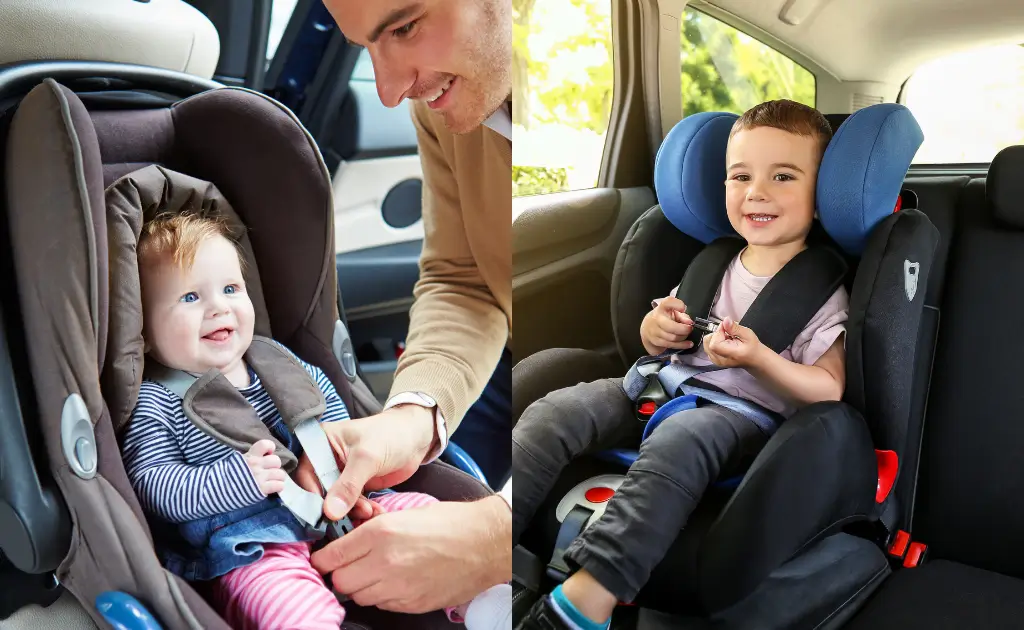
Many parents make mistakes here. They think, “My child looks too big to be rear-facing!” But size doesn’t mean safety.
🚗 The Golden Rule: Keep your child rear-facing as long as possible!
Best Practices:
- Experts recommend rear-facing until at least age 2, but preferably until 4 years old if your seat allows.
- Most convertible car seats support rear-facing up to 40-50 lbs—like a 4-year-old!
- Studies show that rear-facing is 5x safer because it protects the head, neck, and spine.
🚨 Warning: Turning forward-facing too soon can increase the risk of severe injuries in a crash.
Height vs. Weight: Which One Matters More?
Most parents focus on weight, but height is just as important!
📏 Your child is ready for forward-facing when:
- They reach the maximum rear-facing height limit (head less than 1 inch from the seat’s top).
- They exceed the rear-facing weight limit (usually 40-50 lbs).
🚼 Example: Mia is 3 years old and weighs 38 lbs, but is still under the rear-facing height limit. She should stay rear-facing until she reaches the height or weight limit!
💡 Pro Tip: If your child has long legs while rear-facing, that’s fine! They can cross them or bend their knees—comfort isn’t the same as safety.
What Happens If You Switch Too Soon?
Turning your child forward-facing before they’re ready increases the risks of a crash:
- More force on their neck & spine → Can lead to serious injuries.
- Higher risk of ejection → Rear-facing cradles them during impact.
- Spinal cord risk → Young kids have fragile neck bones that aren’t fully developed.
💡 Scary Fact: In crashes, young children’s heads make up 25% of their body weight—rear-facing absorbs that force way better than forward-facing!
How to Install a Convertible Car Seat
Did you know that up to 80% of car seats are installed incorrectly? Even the best car seat won’t protect your child if installed incorrectly. But don’t worry—I’ve got your back!
In this section, we’ll explain how to install a convertible car seat step by step (for both rear-facing and forward-facing) and the most common mistakes to avoid. Let’s get started!
Step 1: Read the Manual (Seriously, Don’t Skip This!)
I know, I know—nobody likes reading manuals. But trust me, every car seat is different, and your manual has specific instructions for proper installation.
✅ Check two things before you start:
1️⃣ The weight and height limits for rear-facing and forward-facing.
2️⃣ Whether your car uses LATCH (Lower Anchors and Tethers for Children) or the seat belt for installation.
💡 Pro Tip: Your car’s manual also has a section on car seat installation, so check that too!
Step 2: Rear-Facing Installation (Safest Position for Young Kids!)

For babies and toddlers, rear-facing is the safest way to ride. Here’s how to install it correctly:
🔹 Choose the Right Seat Angle:
- Most convertible car seats have a recline indicator to show the proper angle for newborns and older babies.
- Use a rolled towel or pool noodle under the base for the correct recline.
🔹 Secure the Seat Using LATCH or Seat Belt:
- LATCH Method: Attach the lower anchors to your car’s LATCH points and tighten until there’s no wiggle.
- Seat Belt Method: Thread the seat belt through the rear-facing belt path, buckle it, and lock the seat belt by pulling it all the way out before letting it retract.
🔹 Check for Movement:
- Grab the car seat at the belt path and wiggle side to side and front to back. If it moves more than 1 inch, it’s too loose!
🚀 Pro Tip
Installing a rear-facing car seat with a tether strap is not necessary, although some manufacturers recommend it.
Step 3: Forward-Facing Installation (For Older Toddlers & Preschoolers)
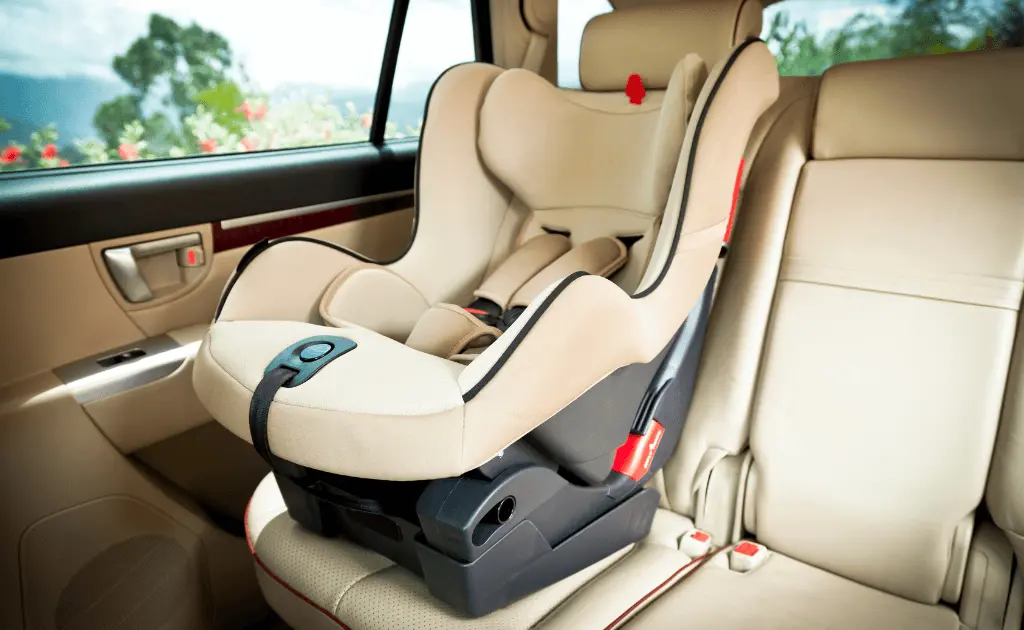
Once your child outgrows the rear-facing limits, it’s time to switch to forward-facing mode. Here’s how to install it right:
🔹 Adjust the Harness Straps:
- Move the harness to at or above your child’s shoulders.
- Make sure the chest clip is level with their armpits.
🔹 Secure the Seat Using LATCH or Seat Belt:
- LATCH Method: Attach the lower anchors and tighten the straps until secure.
- Seat Belt Method: Thread the seat belt through the forward-facing belt path, buckle it, and lock the belt.
If you are confused about which method is best for you?
Explore our step-by-step installation guide👇
🔹 Use the Top Tether (Many Parents Forget This!):
- The top tether is a strap that attaches to an anchor behind your vehicle seat. It can reduce head movement by up to 8 inches in a crash!
- ALWAYS use the tether when forward-facing. National Highway Traffic Safety Administration (NHTSA) recommends using a tether strap with a forward-facing car seat regardless of whether it is installed with a seat belt or lower anchor connectors (LATCH).
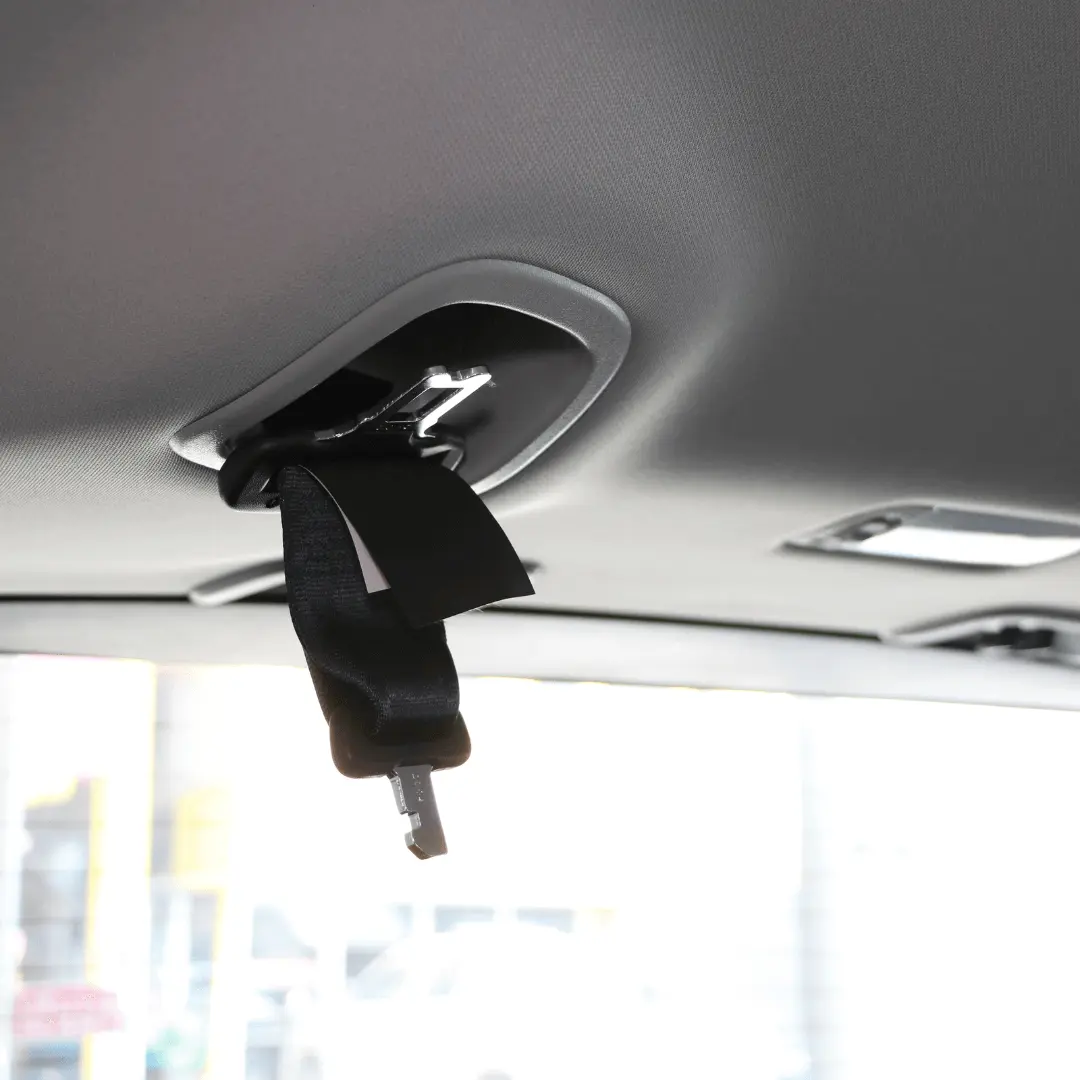
- According to a survey NCRUSS held by NHTSA, total tether strap use by forward-facing car seats in seating positions equipped with lower anchors amounted to 61 percent. However, for forward-facing car seats not installed with tether straps,97 percent were placed in seating positions equipped with lower and tether anchors.
🔹 Check for Movement:
- Just like with rear-facing, grab the car seat at the belt path and check for tightness—it shouldn’t move more than an inch.
Step 4: Do the Final Safety Check (The “Pinch Test”)
Before buckling in your child, ensure everything is snug and secure.
Pinch Test: Try pinching the harness straps at your child’s shoulders after buckling.
If you can pinch any slack, the harness is too loose—tighten it until it lies flat.
Chest Clip Placement: The chest clip should be at armpit level, NOT on the belly!
Wiggle Test: The seat shouldn’t move more than an inch toward the belt path.
💡 Common Mistake: Bulky coats can make the harness loose! In cold weather, dress your child in thin layers and use a blanket over the harness instead.
The Most Common Installation Mistakes(And How to Avoid Them!)
The following are the most common mistakes and their solutions.
Mistake #1: Switching to Forward-Facing Too Soon
Solution: Keep your child rear-facing as long as possible (up to the seat’s limits).
Mistake #2: Not Using the Top Tether for Forward-Facing
Solution: ALWAYS attach the top tether—it significantly reduces injury risks.
Mistake #3: Loose Installation (Wiggly Seat Syndrome!)
Solution: After installing, pull hard on the seat—if it moves more than 1 inch, tighten it up.
Mistake #4: Improper Harness Fit
Solution: Do the pinch test and ensure the chest clip is at armpit level.
Mistake #5: Not Locking the Seat Belt
Solution: If using a seat belt, pull it out and let it retract to lock it in place.
💡Pro Tip: Get It Checked by a Pro!
Even after following these steps, it is always a good idea to have a Certified Child Passenger Safety Technician (CPST) check your car seat installation.
Many local fire stations, hospitals, and police departments offer free car seat checks!
Frequently Asked Questions
What is a convertible car seat?
A convertible car seat is versatile and can be used safely in both rear-facing and forward-facing positions, adapting as your child grows. Unlike infant car seats, it is designed to last for several years.
Can I use a convertible car seat for a newborn?
Yes! Many convertible car seats are structured to accommodate newborns from 5 lbs and up. However, they may not provide the exact snug fit and portability of an infant car seat. If using a convertible seat for a newborn, ensure it has proper head support and reclines at the correct angle.
At what age do you switch to a convertible car seat?
When your baby outgrows its infant seat, typically around 9 to 12 months, it is time to switch to a convertible car seat. However, some infants may need to switch earlier or later, depending on their height and weight. Always follow the manufacturer’s guidelines and keep your child in a rear-facing position as long as possible for maximum safety.
Do convertible car seats expire?
Yes! Depending on the manufacturer, most convertible car seats expire after 6–10 years. Check the expiration date on the seat label or manual.
How do I know if my convertible car seat is installed correctly?
To ensure proper installation:
Refer to your car’s owner’s manual and consider getting a professional inspection at a car seat safety check station.
There should not be movement of the seat more than 1 inch side-to-side or front-to-back.
The harness straps should be tight and flat, without twists.
For rear-facing, the recline angle should support the baby’s head and neck.
Use the LATCH system or seat belt as per the car seat manual.
For detailed instructions, visit: How to Install a Convertible Car Seat
Final Verdict
When you are confused about convertible car seats, the correct information helps you make the best choice for your child. Every parent should be familiar with the fundamentals of a convertible car seat, including its transition modes, safety advice, and installation instructions. Whether bringing home a baby, adjusting to a growing toddler, knowing what to look for makes all the difference. A convertible car seat is the best choice for every child’s stage, from rear-facing to forward-facing position. It provides safety to your little ones in any travel mode and gives you peace of mind while driving.