
Are you looking for a baby car seat for your newborn or switching to an advanced mode for your child? Do you need guidance about how to choose the right car seat for your child? You are at the right platform!
In this comprehensive guide, we’ll review the key elements to consider when selecting a car seat for your child. We’ll review how to measure your child for the ideal fit, the many kinds of car seats, and the safety features you should look for.
How to Choose the Right Car Seat: Step-by-Step Guide
Selecting the right car seat for your child goes beyond the initial purchase. It’s a choice that will protect your child in the event of an accident, support their growth, and make long trips more comfortable. Even though all car seats may appear similar, they are constructed differently, particularly in terms of functionality and safety regulations.
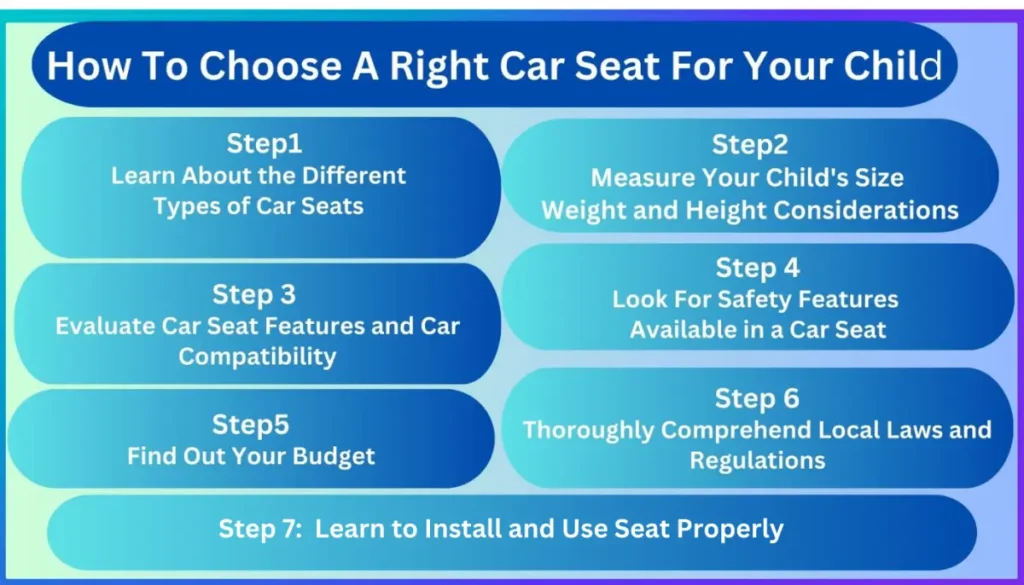
Step 1: Learn About the Different Types of Car Seats
One size does not fit all when it comes to car seats. The car seat you choose should be based on your child’s age, weight, height, and developmental stage. Let’s explain the different types of car seats you need to know.
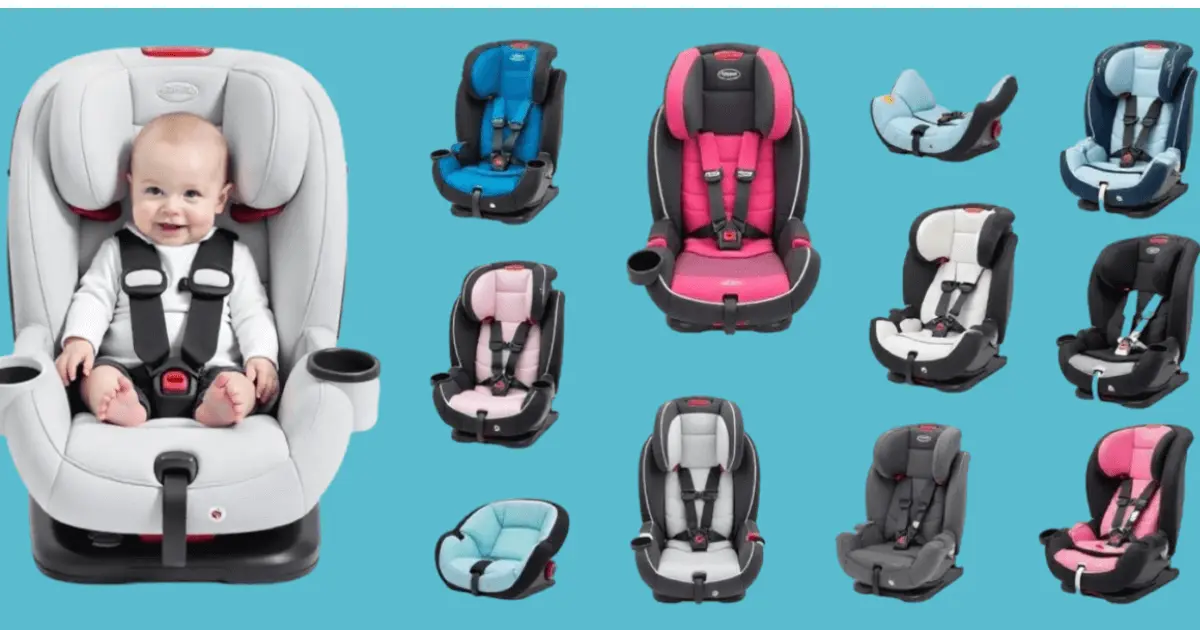
1. Infant Car Seats (For Infants and Newborns)
Infant car seats are the most secure option for infants and newborns. In the unfortunate event of a crash, the rear-facing seats help protect the baby’s head, neck, and spine by keeping them in a more supportive position. The American Academy of Pediatrics (AAP) recommends keeping your child in a rear-facing seat for as long as feasible until they reach the highest weight or height the seat’s manufacturer allows.
Rear-facing seats are typically for children up to 2 years old, but in some cases, they can be used longer depending on the weight and height limits of the seat. These seats are incredibly important for newborns and babies since their neck muscles aren’t fully developed and need extra support in a crash.
To find top-rated, parent-approved options that combine safety, comfort, and ease of use. Check out our expert guide👇
2. Convertible Car Seats (For Toddlers and Beyond)
Once your child outgrows their rear-facing seat, it’s time to switch to a forward-facing car seat. Convertible car seats are available in both forward-facing and rear-facing modes. These seats have a 5-point harness to ensure your child is securely strapped in. The transition should happen when the weight or height of your child exceeds the limits of a rear-facing seat.
They offer more freedom of movement than rear-facing seats but still provide the necessary protection as your child grows. These safety seats are the best choice for toddlers and beyond.
3. Booster Seats (For Older Kids)
Booster seats are meant for older kids who have outgrown their forward-facing car seats but need to be larger to use a regular seat belt. These seats raise your child so the car’s seatbelt fits correctly across their shoulder and lap. Raising is important because improper seat belt positioning can be dangerous in case of a crash.
It’s important to remember that booster seats are not designed to be used with a 5-point harness. Instead, they are meant to be used with the regular seatbelt. You’ll know it’s time for a booster seat when your child is around four years old and has outgrown the weight or height limits of their forward-facing seat.
4. 3-in-1 Car Seats (The All-in-One Solution)
A 3-in-1 car seat evolves with your child, saving you money and hassle. It begins as a rear-facing car seat for infants, transitions to a forward-facing car seat for toddlers, and finally converts to a booster seat for older children. This makes it a one-time investment that lasts for years.
5. Combination Car Seats (Transition Made Easy)
Combination car seats, on the other hand, are ideal for toddlers and older kids. They start as forward-facing seats with a 5-point harness and later convert into booster seats. Unlike 3-in-1 seats, they don’t offer a rear-facing option, so they’re best for children who have outgrown their infant car seats.
Read more about different types of baby car seats with their pros and cons and comparison analysis.
Step 2: Measure Your Child’s Size
( Weight and Height Considerations)
When choosing a car seat for your child, it’s important to consider if they meet the seat’s specific requirements rather than just their age. Here is a simple and easy-to-understand guide for selecting the right safety car seat based on your child’s weight and age.
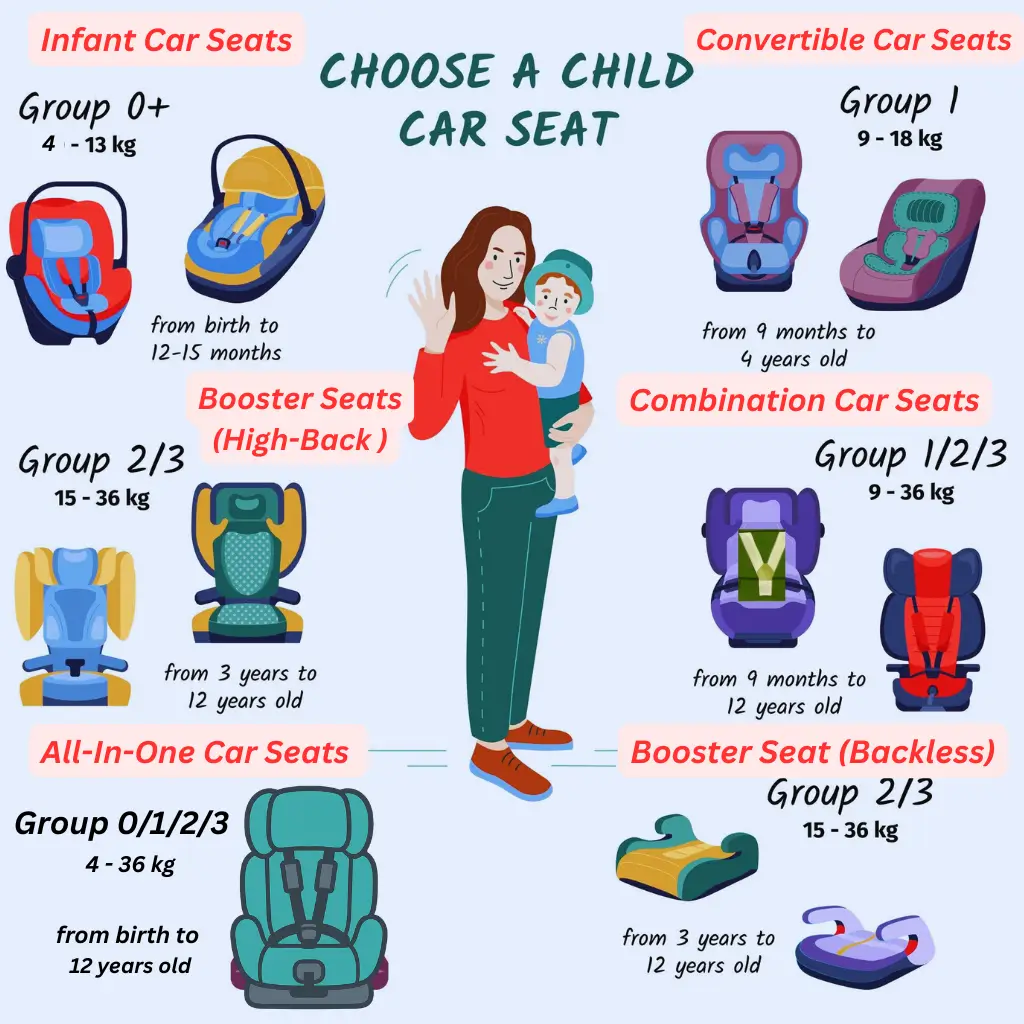
1. Measuring for the Right Fit
Before shopping, you must investigate your child’s exact height and weight. Car seats have specific height and weight limits, so measuring ensures your child will be safe and comfortable. Here’s a simple and easy guide on how to measure your child:
- Height: Measure from the top of your child’s head to the soles of their feet while standing straight. Remember to check the car seat’s height guidelines to see if your child is within the limits for that specific seat.
- Weight: Weigh your child on a scale and ensure it aligns with the weight restrictions for the car seat. If your child is near the weight limit, moving to a new seat might be time.
2. How to Cross-Check Your Measurements with Car Seat Specifications
Once you’ve measured your child, it’s time to cross-check those measurements with the car seat’s specifications. Here’s how you do it:
- Check the car seat’s manual or the manufacturer’s website for weight and height recommendations.
- Ensure your child is within the correct height and weight range for rear-facing seats.
- For forward-facing seats, make sure the seatbelt fits comfortably and that your child’s head is within the headrest’s height range.
Step 3: Evaluate Car Seat Features and Car Compatibility
After you’ve ensured your child’s measurements align with the car seat’s specifications, it’s time to look at the car seat’s features and check its compatibility with your vehicle. Not all car seats fit all cars, so testing for the best fit is essential. The following are the important factors to consider when choosing a car seat.

1. Check Your Car’s Compatibility with the Seat
Before buying a car seat, checking whether it fits your car is important. Not all vehicles have the same space, and some car seats, especially larger ones, may not fit well in smaller vehicles. Some seats are designed with more compact options for smaller cars or SUVs.
- The LATCH System: Most modern car seats come with the LATCH (Lower Anchors and Tethers for Children) system, which helps securely attach the seat to the car. It’s important to check if your vehicle is equipped with LATCH anchors. If your car doesn’t have these, you can still use the seatbelt to secure the seat, but LATCH is generally easier and safer.
- Seatbelt Compatibility: If you’re installing a forward-facing seat with a seatbelt, ensure your vehicle has the appropriate seatbelt configuration for the car seat’s installation. Some car seats may require a lap-and-shoulder belt rather than just a lap belt.
2. Key Features to Look For in a Car Seat
Now that you know your car and child are ready, let’s discuss features. These things will make your life easier and keep your child safe and comfortable.
- Adjustable Harness Systems: A good car seat should have an adjustable harness system, especially one that’s easy to adjust without re-threading the straps. This system ensures the seat grows with your child, and you don’t have to worry about uncomfortable straps as they get bigger.
- Easy Installation: Car seats with clear instructions and easy installation systems can make the process much less stressful. Many seats now come with a bubble level indicator to ensure the seat is installed at the proper angle, especially for rear-facing seats.
- Removable Seat Covers: Kids can get messy, and having a removable, washable cover is a game-changer. Look for a seat with an easy-to-remove cover so you don’t have to stress about spills or accidents.
- Recline Features: For long trips, having a car seat with a reclining feature can make your child more comfortable, especially when they fall asleep. Ensure the car seat reclines to a safe angle to prevent its head from falling forward.
You’re one step closer to selecting the ideal seat if you take accurate measurements of your youngster and pay special attention to features and car compatibility.
Step 4: Look For Safety Features Available in a Car Seat
Safety should be your top priority when choosing a car seat. The right features will help you feel confident while driving and protect your child in the event of an accident.

1. Five-Point Harness System
The five-point harness is a car seat’s most important safety feature. This harness system uses five straps to secure your child’s body and prevent dangerous movement during a crash. The straps go over the shoulders, across the chest, and between the legs, keeping your child safely in place.
2. Side Impact Protection
Many car seats are now designed with side impact protection to help safeguard your child during side collisions. This feature typically consists of extra padding along the sides of the car seat to absorb the energy during a crash and reduce the impact on your child.
Side impact protection is especially important for babies and toddlers whose heads and necks are still developing. Look for a car seat that provides sufficient head and torso support to protect your child in case of a side-impact crash.
3. Anti-Rebound Bar or Base
The anti-rebound bar or anti-rebound base is commonly found in rear-facing car seats. It helps reduce the amount of rebound movement in the event of a crash. When a rear-facing seat experiences a collision, it tends to move backward and rebound. The anti-rebound bar minimizes this motion, keeping the seat more stable and reducing the force on your child.
Not all rear-facing seats come with this feature, but it’s a great safety addition if it’s available.
4. Crash Test Ratings
Looking to buy a car seat? Check the crash test ratings first. All car seats meet minimum safety standards, but some offer better protection. Visit the National Highway Traffic Safety Administration (NHTSA) website to compare crash-test ratings and choose the option that best meets your needs.
While all approved car seats are safe, those with higher crash test ratings perform better in real-world crash situations. Choose a car seat that has passed or exceeded safety standards and has high ratings for crash protection.
5. Easy-to-Use Buckles and Adjustments
In an emergency, you want to be able to unbuckle your child from their car seat quickly. While this may not seem like a major safety feature, choosing a car seat with buckles that are easy to release is incredibly important. Some seats come with “quick-release” buckles that make unbuckling your child in an emergency easier, even if they’re upset or struggling.
Step 5: Find Out Your Budget
When buying a baby car seat, many parents first consider their budget. It’s important to save money, but you should also avoid sacrificing safety or quality. Here are some tips to help you budget for your child’s car seat.

1. Set a Realistic Budget
Baby car seats can cost anywhere from about $50 for basic models to $500 or more for those with extra features. First, decide on your budget. Focus on essential safety features rather than extras like fancy fabrics or cup holders.
- Budget-Friendly Seats: Basic infant car seats or booster seats are affordable and meet federal safety standards. These are great for parents on a tighter budget.
- Mid-Range Options: Convertible car seats offer good value, combining safety, comfort, and longevity without breaking the bank.
- Premium Models: High-end seats have luxury features, sleek designs, and top-notch safety technology.
2. Consider Long-Term Value
Spending more up front can save you money in the long run. For example:
- Convertible Car Seats: A good-quality convertible or 3-in-1 car seat might cost more initially, but can last your child from infancy through their booster years, making it a cost-effective choice.
- Combination Car Seats: These are also a smart investment for older children transitioning from forward-facing seats to boosters.
3. Don’t Forget Hidden Costs
While planning your budget, the following are the factors in additional costs that may come with your car seat:
- Extra Bases: You might need an additional base if you use the car seat in multiple vehicles.
- Accessories: Extra expenses could include seat protectors, head supports, or cup holders.
- Replacement Costs: Car seats must be replaced after an accident, and most have expiration dates (usually 6-10 years), meaning you might need a new one if you use it for multiple kids.
4. Beware of Cheap Knockoffs
Avoid off-brand or second-hand car seats unless they meet safety standards and have no recalls or visible damage. Your child’s safety is non-negotiable, so always opt for a seat that meets current federal safety regulations, even if it’s at the higher end of your budget.
Pro Tip: If budget concerns, check for seasonal sales, coupons, or programs that help parents afford car seats. Numerous government initiatives or local organizations provide free or reduced seats to qualifying families.
Step 6: Thoroughly Comprehend Local Laws and Regulations
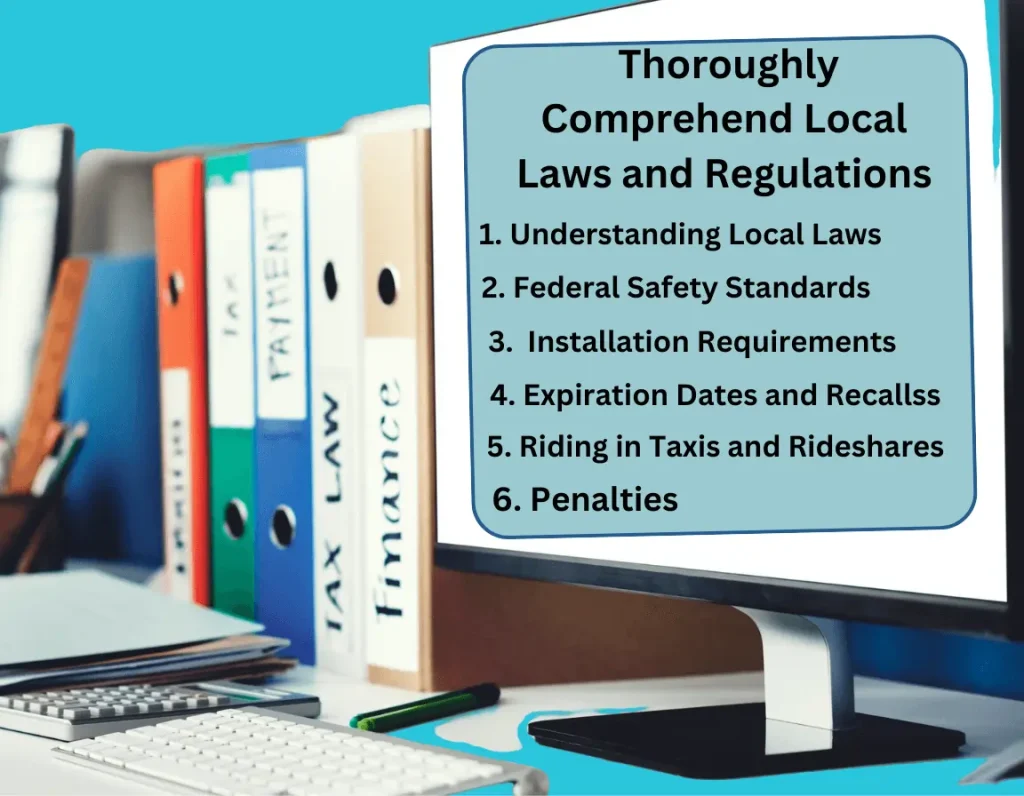
Many parents overlook the importance of laws and regulations when picking a car seat. However, understanding and adhering to these legal requirements is critical to ensure your child’s safety and avoid fines or penalties.
1. Understanding Local Laws
Car seat laws vary depending on where you live, whether it’s a different country, state, or province. These rules are designed to help you pick the right car seat for your child’s age, weight, and height.
For example:
- In most states across the United States, children younger than 2 years old must ride in a rear-facing car seat.
- Many states also mandate using a booster seat until the child is at least 8 years old or reaches a certain height (typically 4’9″).
- In countries like Canada, regulations include additional labelling requirements and adherence to Canadian safety standards (such as CMVSS certification).
Disregarding these laws may put your child’s safety at risk and lead to fines or legal consequences.
To find out car seat laws in your state, visit 👇
2. Federal Safety Standards
All car seats sold in your region must meet strict federal safety standards, which test for crashworthiness, durability, and overall performance.
- In the U.S., look for car seats that meet Federal Motor Vehicle Safety Standards (FMVSS 213).
- In the European Union, car seats must comply with ECE R129 (i-Size) or ECE R44/04 regulations.
- Always ensure the seat has the required certification label to confirm compliance.
3. Proper Installation Requirements
Car seat laws often include guidelines for proper installation, such as using a LATCH system (Lower Anchors and Tethers for Children) or a seatbelt installation.
Some states require car seat inspections or offer free installation checks at certified locations.
In many areas, using a car seat that must be correctly installed is treated as non-compliance, even if you’re using the right seat for your child.
4. Expiration Dates and Recalls
Did you know car seats have expiration dates? Laws often require car seats to be used within their valid lifespan (typically 6-10 years). Using an expired or recalled seat could put your child at risk and may not comply with local laws.
5. Riding in Taxis and Rideshares
Car seat laws apply in many areas, including when you are using taxis, rideshares such as Uber or Lyft, or rental cars. Some parents assume these situations are exceptions, but most regions require children to be in an appropriate car seat regardless of the vehicle type.
6. Penalties for Non-Compliance
Failure to comply with car seat laws can lead to:
- Fines vary by region but range from $50 to $500.
- Points on Your License: Some areas impose points for violations, which can affect your driving record.
- Legal Consequences: In severe cases, failure to comply with car seat regulations may constitute child endangerment and result in charges.
Step 7: Learn to Install and Use The Seat Properly
Once you know which safety features matter most, the next step is learning how to install and use your car seat correctly. Even the safest seat can only protect your child if it is properly installed.

Proper Installation is Key
Car seats must be installed tightly in the car and should not move more than an inch in any direction. The seat should be secured using the LATCH system or the seatbelt, whichever is easiest and safest for your vehicle. Always follow the manufacturer’s instructions carefully when installing the car seat to ensure it’s done correctly.
Check that the car seat is installed correctly. In that case, many areas offer free car seat inspection services at fire stations, hospitals, or police departments. It’s always worth double-checking!
How do you choose your baby’s car seat?
Choosing the right baby car seat depends on many factors, including your child’s age, weight, height, and your vehicle. First, check the car seat’s label for size guidelines. Select a rear-facing, forward-facing, or booster seat based on the age and weight of your child. Look for a seat with a 5-point harness for added safety and prioritize those with excellent crash-test ratings. Also, ensure it fits well in your car and installs securely. Always prioritize safety standards and comfort when selecting a seat.
How do I know what car seat my child should be in?
The type of car seat your child should be in depends on their age, weight, and height:
Always follow the manufacturer’s recommendations and local laws to determine the right car seat for your child.
Infants: Rear-facing car seats are ideal as they provide maximum support for fragile necks and spines.
Toddlers: A convertible rear or forward-facing seat with a harness is suitable when they outgrow the infant seat.
Older children: Booster seats are needed once they surpass the forward-facing seat size limits.
At what age do you switch car seats?
You should switch car seats as your child grows:
Booster to seatbelt: Once your child is 8–12 years old and tall enough for the seatbelt to fit snugly (around 4’9″).
Infant seat to convertible seat: Around 9–12 months, or once they exceed their infant car seat’s height or weight limit.
Rear-facing to forward-facing: Typically, at 2–4 years old, it’s safest to keep them rear-facing as long as possible within the car seat’s limits.
Forward-facing to booster seat: When they’re about 4–7 years old and meet the forward-facing seat’s weight/height maximums.
Which car seat for each age?
Here’s a quick guide to car seats based on age:
Keep in mind that children grow at their own pace. It’s better to focus on weight and height limits rather than just age.
0–2 years: Rear-facing infant or convertible car seat.
2–4 years: Convertible or forward-facing seat with a harness.
4–8 years: Booster seat.
8+ years: Seatbelt, once the child is tall enough for a proper fit.
How do I know if my baby is in the right car seat?
To ensure your baby is in the right car seat:
Regularly assess your child’s growth to know when to switch to the next stage.
Check the seat’s weight and height limits label to confirm it matches your child’s size.
Ensure the harness straps are snug and at or below your child’s shoulders for rear-facing or above for forward-facing.
The car seat should be installed tightly—there should be no more than an inch of movement when you tug it.
Your baby’s head should not extend beyond the top of the car seat.
Follow the car seat manual and your car’s user guide for correct installation.
Can car seats be used on aeroplanes?
Yes, many car seats are FAA-approved for air travel. Look for a label stating it’s certified for use on aircraft. Using a car seat on a plane provides extra safety and comfort for your baby during the flight.
What should I do if my baby hates the car seat?
If your baby is fussy in the car seat, try the following:
Make sure the seat isn’t too hot or too cold.
Ensure the seat is installed correctly and fits comfortably.
Check if the straps are too tight or rubbing against the skin.
Use a headrest or neck pillow for extra support.
Keep your baby entertained with soft toys, music, or a mirror.
Final Verdict
Choosing the right car seat can feel overwhelming, but it’s crucial for your child’s safety. It involves considering safety ratings, ease of installation, and whether the seat suits your child’s age and size. Additionally, it’s important to ensure that the car seat complies with local regulations and guidelines. Regularly checking for recalls and ensuring proper usage can further enhance your child’s safety during travel.