Choosing the right car seat for your child can feel like navigating a maze—rear-facing, forward-facing, booster. Where do you even begin? If your little one is growing fast and you’re ready to move beyond the infant car seat, a combination car seat might be what you need. These smart, money-saving seats grow with your child, shifting from a 5-point harness to a high-back booster as they get bigger.
In this Guide, we’ll break down exactly what combination car seats are, who they’re best for, how they work, and why so many parents swear by them. Let’s make your car seat choice a whole lot easier.
What Is a Combination Car Seat?
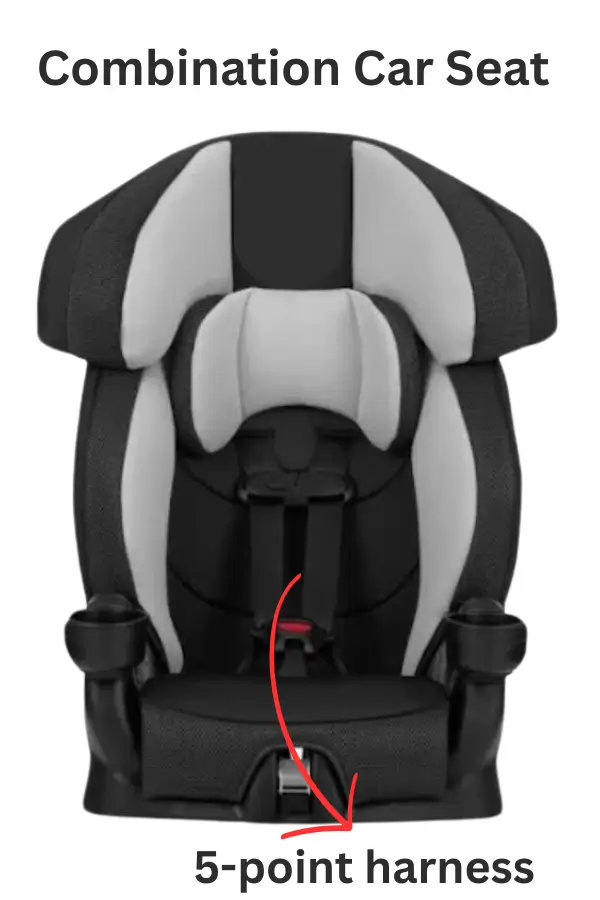
A combination car seat is basically a 2-in-1 deal for toddlers and preschoolers. It starts as a forward-facing seat with a 5-point harness ( those snug shoulder and hip straps). Then, once your kiddo gets bigger, you remove the harness, and it turns into a belt-positioning booster seat. One seat, two stages. Simple.
The combination car seats only face forward. That means they’re made for kids who’ve already outgrown the rear-facing stage. If your little one is ready to sit up like a big kid but still needs a harness for safety, this is where a combination seat shines.
And yes, they’re sometimes called things like:
- Harness booster seat
- Forward-facing booster with harness
- Toddler booster seat combo
- The car seat that grows with your child
They’re designed to work for years—usually from around 22 to 65 pounds in harness mode and up to 100 pounds in booster mode, depending on the brand. Some brands provide conversion to a high-back booster only, while some provide conversion to a high booster first and then to a backless booster.
So, if you’re looking for a car seat that can grow with your child and skip the hassle of switching seats every year, a combination booster car seat might be your parenting win of the week.
How Does It Work? (Breakdown of the Two Modes)
It transforms with your child’s growth—so you’re getting double the use from a single seat. Here’s the breakdown:
🧸 Mode 1: 5-Point Harness (For Toddlers)
In this stage, the combination car seat works just like a regular forward-facing car seat with a harness. Your child is buckled in using a 5-point harness system (that’s two shoulder straps, two hip straps, and one between the legs). It keeps them secure and safe—especially if they’re still squirmy or nap on the go.
This mode usually works for kids who are around 2 to 5 years old, depending on their height and weight. Most combo seats in this mode support kids between 22 and 65 pounds. If your little one has outgrown their rear-facing seat but isn’t quite ready for a regular booster yet, this stage is perfect.

🚗 Mode 2: Booster Mode (For Bigger Kids)
Once your child hits the upper weight or height limit of the harness, it’s time to convert the seat. You remove the harness system, and voilà—it becomes a belt-positioning booster. Now, your child uses your car’s seat belt just like a grown-up. The booster still positions or raises the child so that lap/shoulder belts can be fixed safely over their shoulder and lap. Booster mode can never be used with a lap-only belt.
This mode usually supports kids from 40 to 100 pounds, depending on the seat brand. Some seats offer high-back booster support, while others may convert into backless booster seats, too. It’s a great step for school-aged kids who aren’t quite ready to ditch the booster altogether.

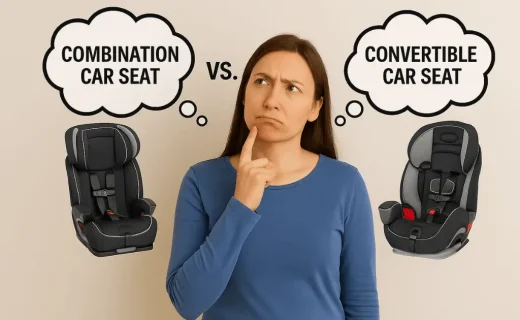
Combination Car Seat vs Convertible Car Seat – What’s the Difference?
While both grow with your child, a convertible car seat usually starts rear-facing for infants and then turns forward-facing. A combination seat only starts forward-facing with a harness and then transitions to a booster.
How to Install a Combination Car Seat Properly
According to a study conducted by the National Highway Traffic Safety Administration(NHTSA), estimated misuse rates were 61 percent for forward-facing car seats, including combination car seats. These statistics show that most parents install these seats incorrectly. Here’s a simple step-by-step guide to help you through the process correctly :
1. Read the Manual First
Before you do anything, read the manual that comes with your car seat. Every car seat is slightly different, and the manufacturer’s instructions will guide you through the installation specific to your model.

2. Position the Seat Correctly
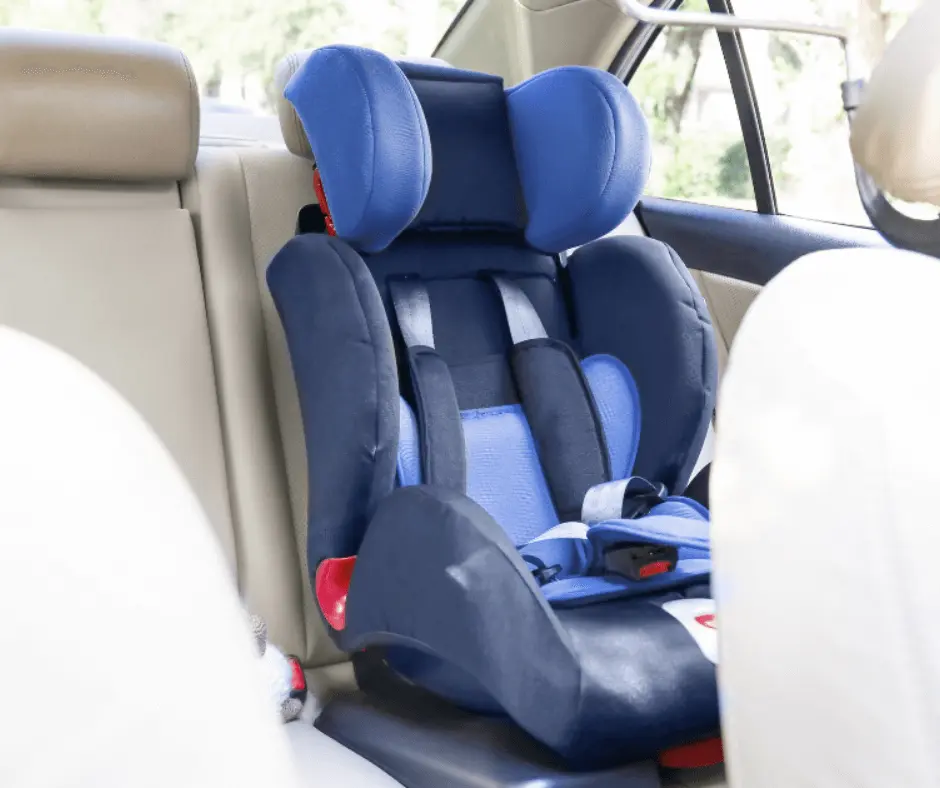
Ensure it’s positioned in a flat area and doesn’t tip forward or backward. Most car seats fit best in the center seat, but side positions are also acceptable, especially if the center seat is not equipped with LATCH anchors.
Place the car seat forward-facing in the backseat of your vehicle.
3. Choose the Right Installation Method
You’ll typically use either the LATCH system (Lower Anchors and Tethers for Children) or your car’s seat belt. Here’s how to use each method:
Using LATCH:
Tighten the straps until the seat is firm and doesn’t move more than 1 inch side-to-side or front-to-back.
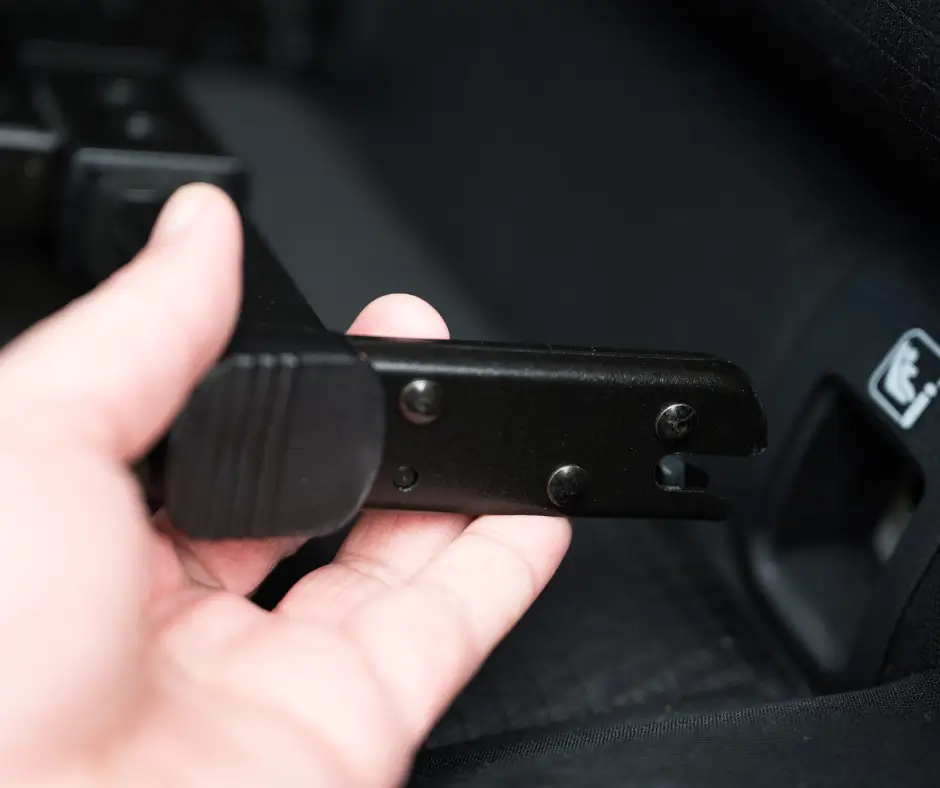
Attach the LATCH connectors to the car’s LATCH anchors (located in the seat crease of your car).
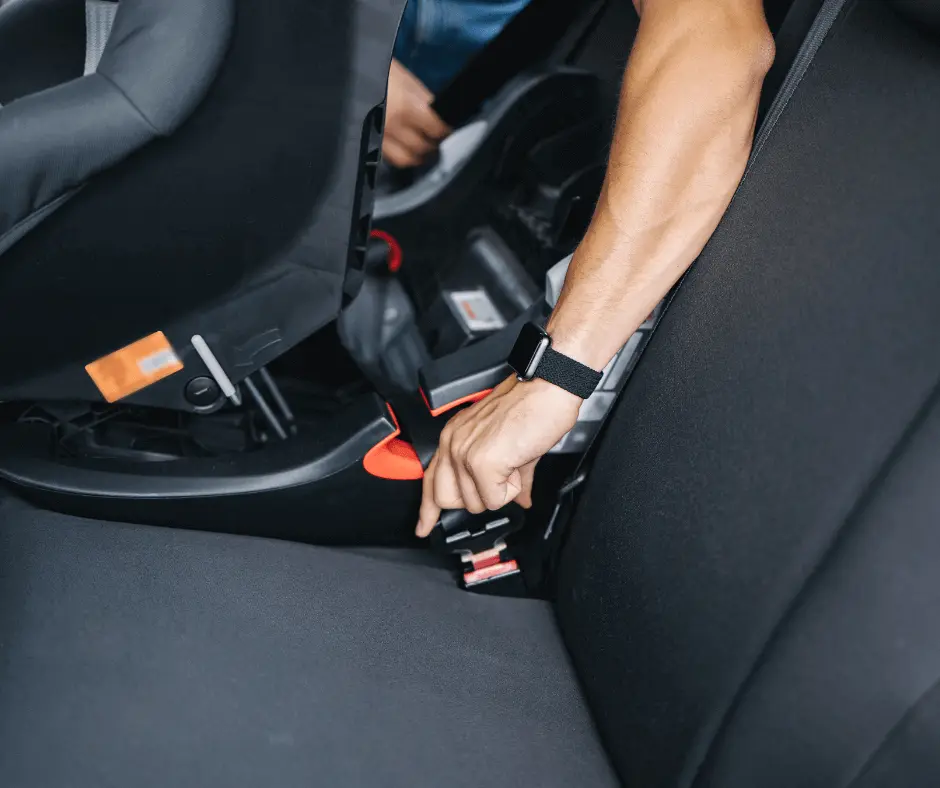
Using a Seat Belt:
Ensure the seat is tight and doesn’t move more than 1 inch at the base.
Thread the seat belt through the car seat’s designated belt path.
Lock the seat belt by pulling it all the way out and letting it retract to secure the seat.
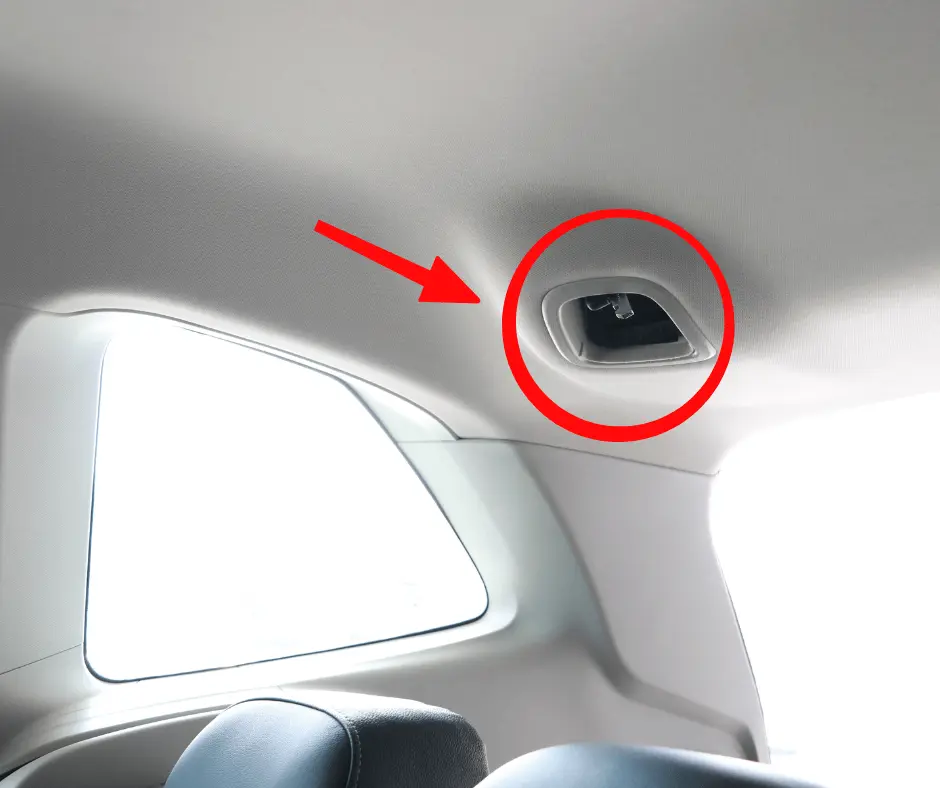
4. Always Attach the Top Tether
No matter which lower method you use — LATCH or seat belt — you must use the top tether in forward-facing harness mode.
Find the tether anchor behind your vehicle seat (usually on the back, floor, or shelf).
Hook the tether strap (located at the top of the car seat) to the anchor.
Pull it snug to prevent the car seat from tipping forward during a crash.
👉 Why it matters: The top tether helps reduce head movement by up to 6 inches in a crash.
5. Check for Proper Harness Fit
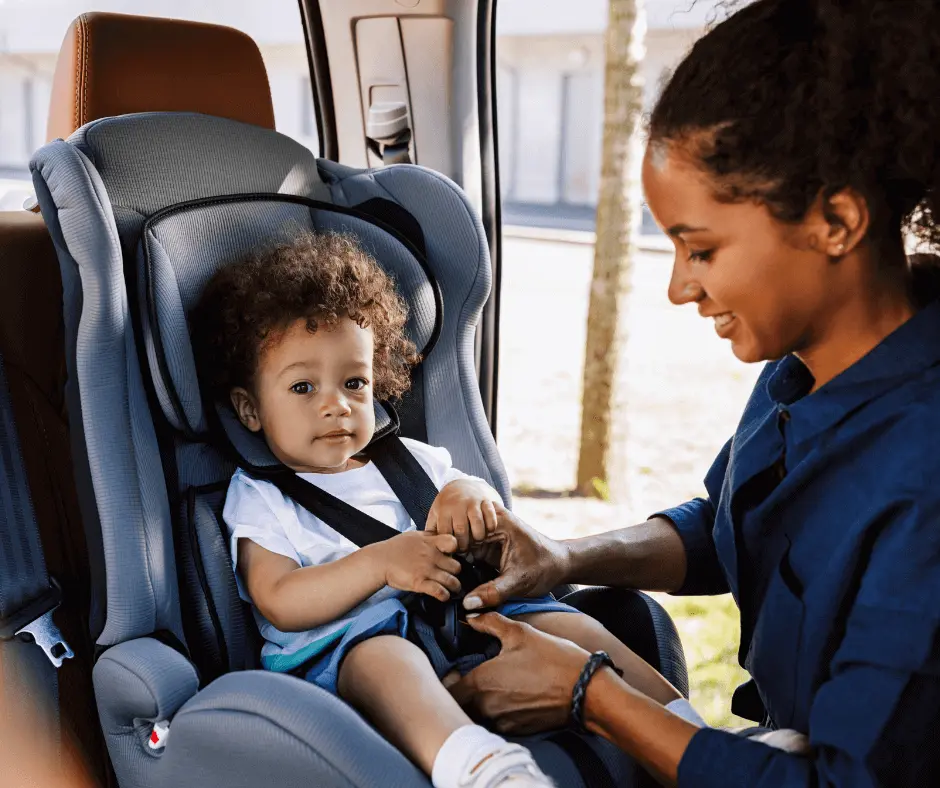
Once installed, make sure the 5-point harness is snug:
The straps should be at or just above your child’s shoulders.
The harness should fit comfortably tight, with no slack, but not pinch the skin.
The chest clip should be at the armpit level.
6. Double-Check and Test
Before hitting the road, test the installation:
- Grab the base of the seat and give it a firm shake. It should not move more than 1 inch.
- If the seat moves too much, tighten the installation and try again.
💡 Tip for Booster Mode: Keep the Seat Secured
If your seat allows it, use the LATCH anchors and top tether to keep the booster securely in place even when your child outgrows the harness and starts using the seat belt in booster mode— even when no one’s sitting in it.
This:
- Keeps the seat from tipping or sliding
- Makes it easier for your child to buckle themselves
- Adds an extra layer of safety
Always check the manual to make sure LATCH use is allowed in booster mode — many newer models support it!
7. Ask for Help if Needed
If you’re unsure about the installation, many places offer free car seat checks (like fire stations, police stations, and children’s hospitals). You can get your car seat inspected and also consult a Certified Child Passenger Safety Technician (CPST) for assistance at NHTSA (Installation help).
When Should You Switch to a Combination Car Seat?
When is the right time to leap into a combination car seat? The switch depends on a few things: your child’s growth, weight and height, and—don’t forget—state laws.
🗓️ When to Make the Switch:
- Age & Size: Typically, the transition to a forward-facing seat happens around age 2, but it really depends on when your child outgrows their rear-facing seat. Every car seat has its own height and weight limits, so check those to know when it’s time for a switch. Switch to a combination car seat when the child is ready for a 5-point harness but not yet big enough for a booster seat.
- State Laws: Keep in mind that state regulations are a big factor. Many states now require children to remain in a rear-facing car seat until at least age 2—or longer—depending on the weight and height of the child. Always check your local laws to ensure you’re complying with the rules for your area. Once your child has passed the rear-facing requirements and is ready for a forward-facing seat, that’s when you’ll consider the combination car seat.
Top 5 Benefits of Choosing a Combination Car Seat
So, why exactly should you choose a combination car seat for your child? Tons of perks to this versatile seat make it a parent favorite. Here are the top 5 benefits of going with a combination car seat:
1. Longevity and Value for Money
These seats can be used for a longer period and cover two stages of child car safety. Initially, a forward-facing seat with a 5-point harness and a booster later on. This implies that you won’t be purchasing more seats as your child gets older. Better value for your money!
2. Safety and Convenience
Safety features, including side-impact protection, adjustable harnesses, and additional cushioning, are built into combination car seats. They are also a hassle-free choice for working parents because they are simple to install in your vehicle. That means fewer worries and more peace of mind.
3. Saves Space
Since combination car seats combine two seats in one, they’re a space-saver. If you’re juggling more than one child or need to fit multiple seats in the back of your car, the compact design of a combination car seat means more space for everything else.
4. Comfortable for Kids
These seats come with tons of padding and support, making long trips more comfortable for your little one. The adjustable recline and headrest mean they’ll be cozy on every ride. And hey, fewer complaints on road trips!
5. Easy Transition from Harness to Booster
No need to buy a new seat when your child is ready for a booster. Remove the harness, and you’re good to go! The belt-positioning booster feature makes the transition seamless—less confusion, less hassle, and one less thing to worry about.
What to Look for When Buying a Combination Car Seat
All the combination car seats aren’t the same. So many brands are in the market offering different features to protect your child during a ride! Here’s what really matters when shopping for one:
1. Weight & Height Limits
Make sure the seat can handle your child’s current size and future growth. Look for a model with a wide range, usually from around 22 lbs up to 100 lbs.
2. Easy Harness-to-Booster Conversion
You should choose a seat that allows you to transition between harness and booster mode easily. No tools. No stress. Just a quick adjustment, and done!
3. Safety Features
Look for side-impact protection, a sturdy 5-point harness, and a strong build. Some even come with energy-absorbing foam or steel frames for added security. Bonus points for those with easy-to-read safety labels.
4. Comfort & Adjustability
Is it padded? Can you recline it? Does it have adjustable headrests and armrests? A comfy kid is a happy kid—especially on long drives.
5. Ease of Installation
The best combination car seat is one you can actually install without Googling for an hour. Look for seats with LATCH systems, clear instructions, or even built-in level indicators.
6. Fits Well in Your Vehicle
Some seats are bulky. If you’ve got a smaller car or need to fit multiple seats, measure your space and choose a design that fits your setup.
7. Meets or Exceeds Safety Standards
Always check for JPMA certification or confirmation that the seat meets FMVSS 213 (Federal Motor Vehicle Safety Standard). That’s your green safety light.
Can You Use a Combination Car Seat on a Plane?
Yes, you can use a combination car seat on a plane—but only in harness mode. Once the seat converts into a booster (which uses the car’s seat belt), it’s no longer safe or approved for airplane travel. Why? Because airplane seats don’t have shoulder belts, boosters rely on that to work properly.
✈️ What to Look for in FAA-Approved Seats
- The label must say: “This restraint is certified for use in motor vehicles and aircraft.”
- It should be used with the 5-point harness only.
- Install it in a window seat so it doesn’t block other passengers.
Quick Tip: Always check the airline’s policies and bring the seat manual in case flight staff ask for verification.
Need a list of tips for flying with kids? 👇
Frequently Asked Questions
What exactly is a combination car seat?
Think of it as a car seat that does more than one job! It’s designed to change as your child grows, typically starting as a forward-facing seat with a harness and then converting into a booster seat (either high-back only or high-back and backless both) for older kids.
What are the different modes of a combination car seat?
The main modes are a forward-facing seat with a 5-point harness for younger children, a high-back booster seat that uses the car’s seat belt, and sometimes a backless booster seat for older, larger kids.
At what age and weight can my child start using a combination car seat?
This depends on the specific car seat, but your child needs to be at least a certain age (usually around 2 years old), weight, and height to use the forward-facing harness mode safely. Always check the manufacturer’s instructions and state laws.
How long can my child use a combination car seat?
A combination car seat can last for many years, taking your child from toddlerhood all the way through when they no longer need a booster seat. Your child can use a combination seat until they reach the height or weight limit, usually up to 65 lbs in harness mode and 100–120 lbs in booster mode. Always check the manual for your specific model’s limits.
Can I install a combination seat on an airplane?
Only in harness mode, and it must be an FAA-approved seat. Boosters aren’t allowed on planes because airplanes don’t use shoulder belts.
Do Combination Car Seats Expire?
Yes, they do—and it’s important to check. Most combination seats expire 6 to 10 years from the manufacturing date. You can usually find this info stamped on the seat shell or printed on a label underneath.
Are combination car seats safe for toddlers?
Yes—when installed correctly and used within limits. Depending on the height and weight limits, they’re best for toddlers who’ve outgrown their rear-facing seats, usually around age two and up. For maximum protection, use the 5-point harness until your child outgrows it.
Final Thoughts
A combination car seat is a smart investment for forward-facing children. It offers extended use by transitioning from a 5-point harness to a high-back booster, providing both safety and convenience in one seat.
However, before purchasing, it’s important to:
- Confirm your child meets the minimum size and weight requirements
- Review your state’s car seat laws
- Choose a seat that fits your budget and vehicle space
If you’re looking for a reliable, long-term solution, a harness-to-booster car seat combo is a practical choice for growing families that could save you time, money, and a whole lot of hassle.