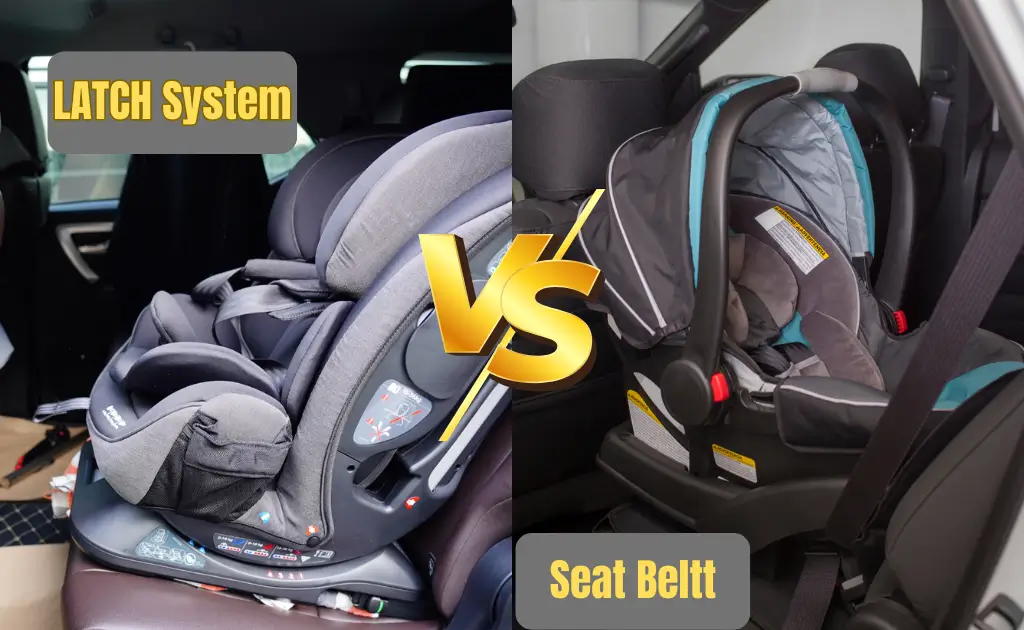
When installing a car seat, many parents are confused about the LATCH system vs. the seat belt. Most parents assume that the LATCH ( Lower Anchors and Tethers for Children ) system is always safer than a seat belt.
The National Child Restraint Use Special Study (NCRUSS) is a 2011 National Highway Traffic Safety Administration (NHTSA) survey. The survey results show that 87% of rear-facing car seats (both infant and convertible) equipped with the LATCH system in seating positions equipped with lower anchors were installed with the LATCH system, and 22% with seat belts. Similarly,48% of forward-facing car seats equipped with the LATCH system in seating positions equipped with lower anchors were installed with the LATCH system, and27% withseat belts.
Although these studies show that parents often prefer LATCH over seat belts, that doesn’t mean seat belts are unsafe. Many experts recommend switching to a seat belt installation once the child reaches the LATCH weight limit.
🚨 The Key Takeaway is if your car seat is installed securely (with less than an inch of movement at the base), it’s safe—whether you use LATCH or a seat belt.
The big question remains: which option should you choose for your child’s car seat? Let’s compare it with a clear comparison to determine which option works best for you.
Which One Is Safer?
When used correctly, the LATCH system and seat belt installation are equally safe. The real danger isn’t choosing the wrong method; it’s improper installation. A car seat not securely installed, whether with LATCH or a seat belt, can put your child at risk in an accident. However, when installed correctly, both methods provide high safety and protection.
🚨 The Key Takeaway is if your car seat is installed securely (with less than an inch of movement at the base), it’s safe—whether you use LATCH or a seat belt.
The big question remains: which option should you choose for your child’s car seat? The answer isn’t as simple as picking one over the other. Let’s break it down.
How does each one work?
Car seat installation involves the LATCH system (Lower Anchors and Tethers for Children) and the seat belt installation. Both methods are designed to secure your child’s car seat, but they work differently.
1. How the LATCH System Works
LATCH was launched to make car seat installation more manageable and reduce the chances of errors. Instead of using the car’s seat belt, you attach the car seat to the built-in lower anchors.
Here’s how it works:
- The car has two metal anchors hidden in the seat where the backrest meets the cushion.
- The car seat has built-in lower anchor straps that clip onto these anchors.
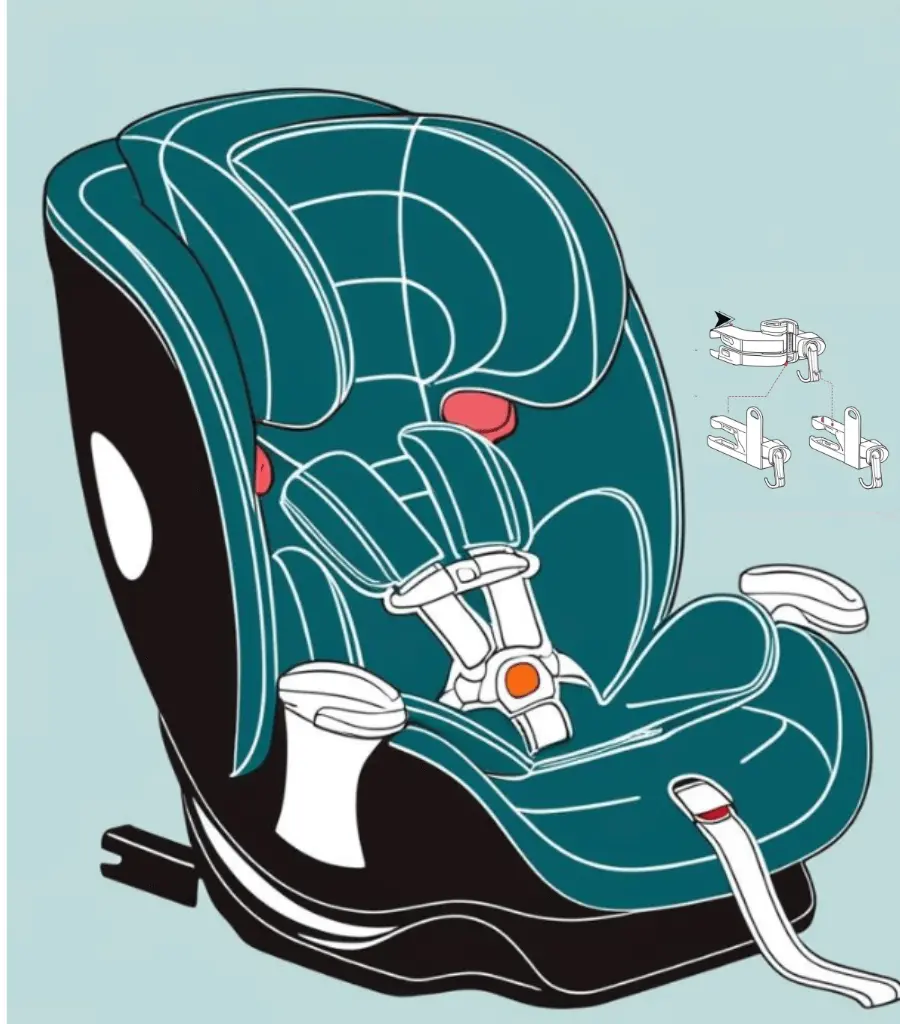
- For forward-facing car seats, a top tether hooks to an anchor point behind the seat (on the back of the car seat, ceiling, or floor).
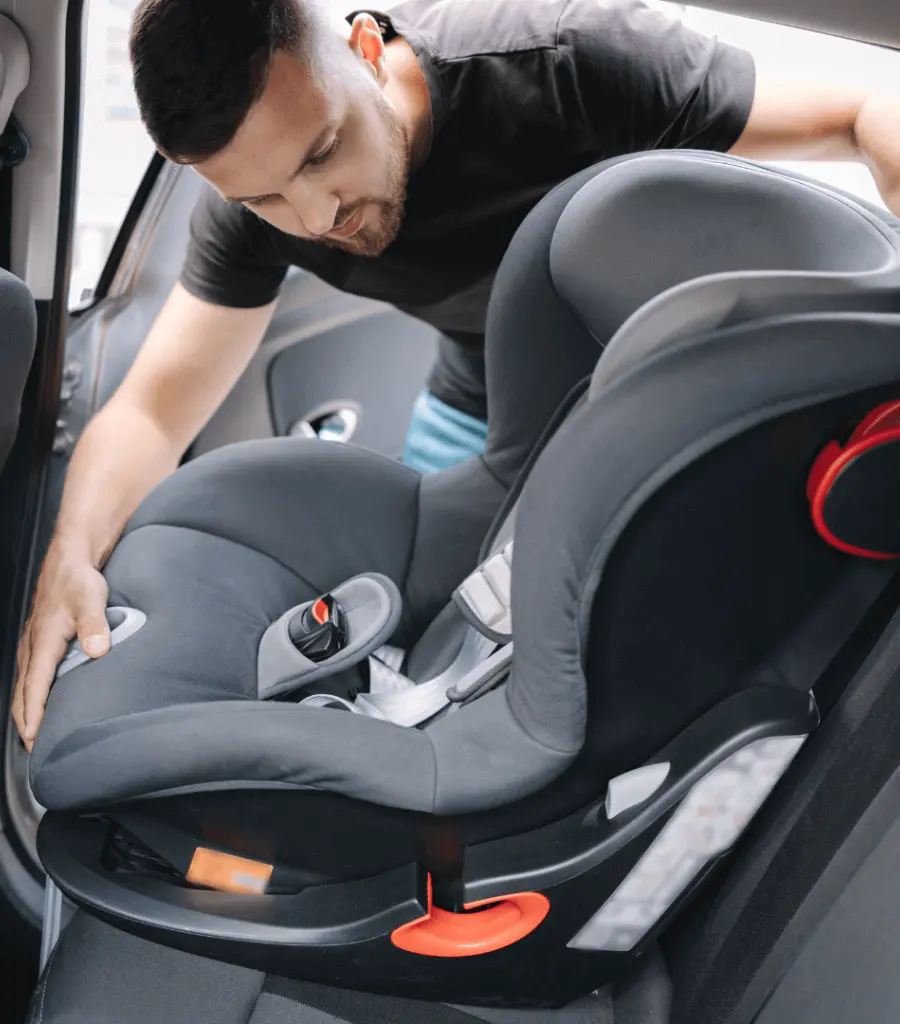
🚀In our blog, 8 Surprising Facts About The LATCH System In A Baby Car Seat, we have covered all the details about the LATCH system.
2. How Seat Belt Installation Works
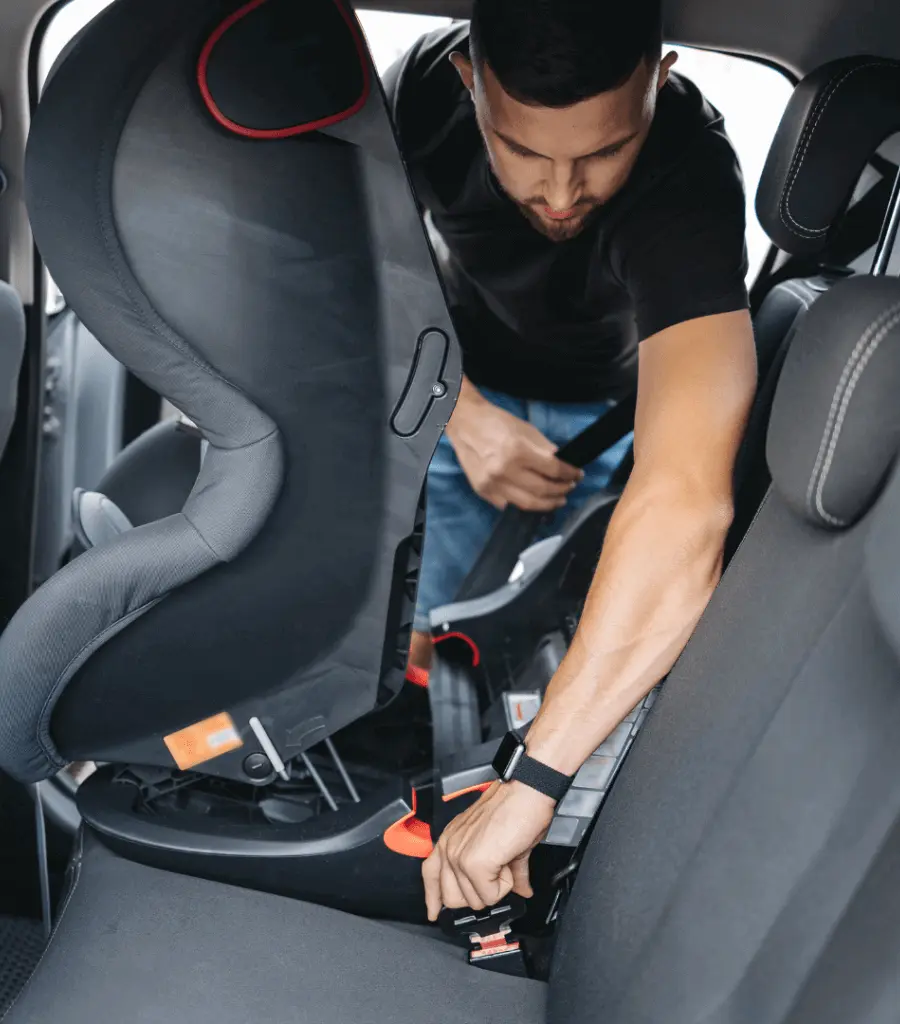
The traditional method of securing a car seat is using the vehicle’s seat belt. It might seem trickier than LATCH, but it’s just as safe when done right.
Here’s how it works:
- The car seat is placed on the vehicle seat, and the lap and shoulder belts are threaded through the designated path.
- The seat belt usually has a lock-off mechanism to hold the seat tightly.
- A tether strap is also required for forward-facing car seats, just like in the LATCH method.
Which Method Should You Use?
A LATCH system or seat belt is a better way to install different types of baby car seats. This is the million-dollar question!
Each method has its pros and cons. By comparing them clearly, you can make an informed decision that suits your vehicle, your child’s weight, and your comfort with the installation process. You can determine which method works best for you and your child.
The LATCH System: When It’s a Great Option
The LATCH (Lower Anchors and Tethers for Children) system is often praised for its simplicity and convenience. It’s the go-to choice for many parents because it’s quick, easy, and usually intuitive.
🔑 Why LATCH Works Well:
- Quick and Easy Installation: LATCH connectors are straightforward, and there’s no need to struggle with seat belts.
- Ideal for Rear-Facing Seats: LATCH works especially well in rear-facing car seats, as it’s easier to get a tight fit in the back seat.
- Tether for Added Stability: The top tether helps limit forward movement during a crash, which is especially important for forward-facing car seats.
- Less Fussing with Seat Belts: LATCH eliminates the need to lock seat belts, which can sometimes be tricky or confusing for parents.
🚗 When to Choose LATCH:
- If your car has readily accessible LATCH anchors in your preferred seating position.
- If your child’s weight (including the car seat) doesn’t exceed 65 lbs.
- If you prefer the simplicity of not dealing with seat belts during installation.
Seat Belt Installation: When It Might Be the Better Option
While LATCH is an excellent option for many, there are situations where seat belt installation is either required or simply better for your specific car seat and vehicle setup.
🔑 Why Seat Belt Installation Works Well:
- Works for Any Car Seat Position: Unlike LATCH, seat belts are available in every seating position, including the middle seat—often considered the safest spot for your child.
- Required for Heavier Seats: If your car seat and child’s combined weight exceeds 65 lbs, you must switch to seat belt installation.
- More Flexibility in Some Cars: Some vehicles have hard-to-reach LATCH anchors or odd anchor placements, making getting a solid fit with the seat belt more effortless.
- Can Be More Secure for Some Seats: Seat belts can create a secure fit—sometimes even better than LATCH in certain vehicles.
🚗 When to Choose Seat Belt Installation:
1. If your child’s weight or the car seat exceeds 65 lbs.
2. If your vehicle has limited or difficult-to-access LATCH anchors.
3. If you want to install the car seat in the middle seat (which usually doesn’t have LATCH).
4. If the car seat manufacturer recommends using a seat belt over LATCH.
Key Tips & Tricks
We’ve discussed the ins and outs of LATCH and seat belt installation, but all that information is only helpful if you can install your car seat correctly! Below are some essential tips to ensure your child’s car seat is installed correctly, regardless of your chosen method.
1. Perform the “One-Inch Test.“
The One-Inch Test is one of the best ways to check whether your car seat is installed correctly. After securing the car seat, grab the base (where it meets the seat of your car) and try to wiggle it from side to side.
🔑 What You Should Look For:
- If the seat moves over an inch, it’s too loose and needs to be tightened.
- The seat is secure and installed correctly if it doesn’t shift more than one inch!
2. Check the Angle
Car seats, especially rear-facing ones, must be at the right angle for your baby’s safety and comfort. A seat that’s too upright or reclined could increase the risk of injury in a crash.
- Most car seats have a built-in angle indicator (like a bubble level) that shows the correct recline angle.
- For younger babies, rear-facing seats should typically be installed at 45 degrees.
3. Harness Adjustments
Harness straps must be adjusted to keep your child secure in their car seat. Here are some tips to make sure the harness is always snug and secure:
- The harness should be at or below your child’s shoulders if they’re rear-facing or at or above the shoulders if they’re forward-facing.
- The chest clip should be placed at the armpit level, never too high or low.
- Always ensure you can fit only one finger between your child’s chest and the harness straps. If you can fit more, tighten the straps.
4. Top Tether for Forward-Facing Seats
The top tether is crucial for protection when installing a forward-facing car seat. It prevents the seat from tipping forward in a crash, reducing the risk of injury.
- Permanently attach the top tether to the anchor point in your car (usually located on the back of the seat or the ceiling).
- Make sure the tether is tight and secure, with minimal slack.
- Double-check that the car seat manual provides specific instructions on how to use the tether for your model.
5. Regular Checks and Reinstallation
Installing the baby car seat correctly doesn’t mean it’s set for life! It’s essential to check the installation regularly, especially if you move the seat to another vehicle or the seat has been in an accident.
🔑 What You Should Look For:
- Check every month that the seat is still secure by doing the One-Inch Test.
- Reinstall the seat if you change vehicles, since cars have different seat belt systems and LATCH configurations.
- If you’re unsure about the installation, visit a car seat inspection station for help from a trained technician.
🚨 Tip: Always recheck the seat’s expiration date! Car seats have a shelf life (typically 6-10 years) and are no longer safe to use once they expire.
6. Seek Expert Help If You Need It
Car seat installation can sometimes be tricky, and even the most prepared parents occasionally need guidance.
- Car seat check stations are often at local fire departments or police stations. Trained technicians will inspect your seat and ensure it’s appropriately installed.
- Many states also offer free car seat safety checks—check online or ask your paediatrician about available resources near you.
Credit: Children’s Hospital of Philadelphia
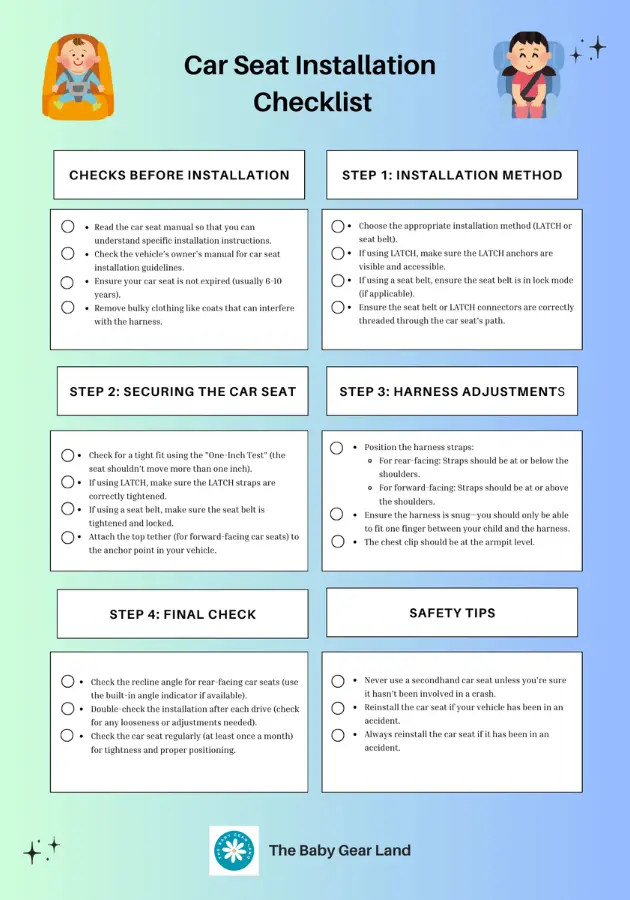
Bonus: Free Printable Car Seat Installation Checklist!
As a bonus to help make car seat installation even easier, we’ve put together a handy, one-page guide you can print and keep in your car for easy reference.
Why You’ll Love This Checklist:
- Quick and Easy: A one-page guide that’s simple to follow.
- Everything in One Place: All the essential car seat installation steps are listed for easy reference.
- Peace of Mind: Knowing you’ve checked off every step will give you confidence that your little one is safe on the road.
How to Use the Printable Checklist:
- Download the Checklist: Click the link below for your free printable guide.
- Keep It in Your Car: Store it in the glove box, your purse, or somewhere easy to reach.
- Use It Regularly: Every time you install or check your child’s car seat, use the checklist to ensure you’ve covered all the key steps.
Download Your Free Car Seat Installation Checklist:
Click here to download your free Car Seat Installation Checklist 👇
Frequently Asked Questions
Is the LATCH System Safer Than Using a Seatbelt?
Both methods are equally safe when used correctly. The LATCH system simplifies installation, reducing the chance of user error, which is why many parents prefer it. However, once your child and car seat exceed the LATCH weight limit, switching to a seat belt installation is required.
How Do I Know If the Car Seat Is Installed Correctly with LATCH?
Most modern car seats have indicators that show whether the LATCH connectors are properly secured.
For a step-by-step guide, visit 👉 8 Surprising Facts About The LATCH System In A Baby Car Seat
Is the LATCH System Standard Worldwide?
No, the LATCH system is specific to the U.S. and Canada. Other countries may have their own systems, like ISOFIX in Europe or LUAS in Australia.
Does the LATCH System Expire?
While the LATCH system doesn’t “expire,” car seats have expiration dates.
Vehicle manufacturers recommend regular inspections of the LATCH anchors to ensure they’re in good condition.
When should I use the LATCH system instead of a seat belt?
LATCH is typically easier for parents to install correctly, but it has weight limits (usually around 65 pounds, including the child and car seat). If your child exceeds this limit, you should switch to seat belt installation.
What is the difference between LATCH and seat belt installation?
LATCH (Lower Anchors and Tethers for Children) uses built-in anchors in the car and connectors on the car seat, while seat belt installation secures the car seat by using the vehicle’s seat belt. Both methods are designed to provide a secure installation when used correctly.
Should I switch from LATCH to a seat belt as my child grows?
Once your child and car seat exceed the LATCH weight limit, you should transition to a seat belt installation for continued safety.
Where can I check the installation of my car seat?
To check your installation for safety, visit a local car seat inspection station, fire department, police station, or a certified Child Passenger Safety Technician (CPST).
How do I know if my car supports LATCH installation?
Most vehicles manufactured after 2002 are equipped with LATCH anchors. You can confirm the location of the lower anchors and tether points by checking your vehicle’s owner’s manual.
Final Thoughts
Ultimately, both installation methods, the LATCH system and seat belt, have pros and cons. Your choice will depend on your vehicle, car seat, and child’s age/weight. Whether you choose the LATCH system vs. seat belt installation, the most critical factor is ensuring the seat is installed correctly.
Follow the installation guidelines, check regularly, and don’t hesitate to ask for help if you’re unsure. Ensuring your child’s car seat is always correctly installed gives them the best possible protection on the road.