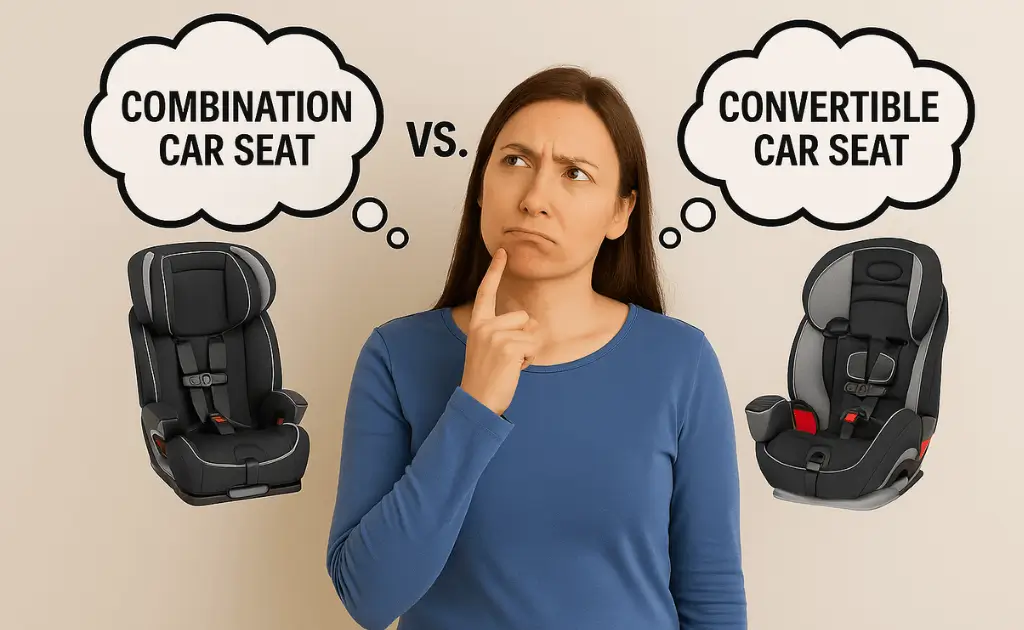
Buying a car seat isn’t just another item on your baby’s checklist—it’s one of those decisions that can stress you out. Between convertible car seats, combination seats, and boosters, car seat brands are speaking their secret language. Not all options are created equal when it comes to combination vs. convertible car seats. Understanding when and why one should be chosen over the other is critical. That’s where this guide comes in. We’re breaking down the fundamental differences without the techy jargon.
If you’ve been Googling things like:
- Combination vs. convertible car seats
- Which car seat is right for my toddler?
- Convertible or combination seat for a growing child?
Then, keep reading. You’ll finally get clear answers, real examples, and zero fluff.
What Is a Convertible Car Seat?
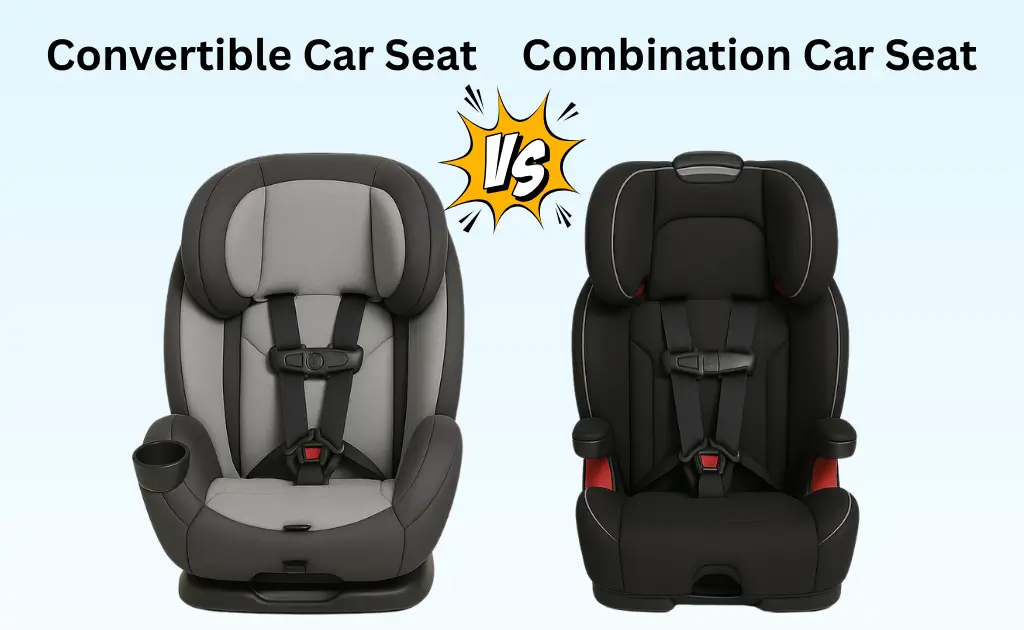
A convertible car seat is designed to adapt as your child grows. It begins in the rear-facing position for infants and can later be converted to a forward-facing seat for toddlers.
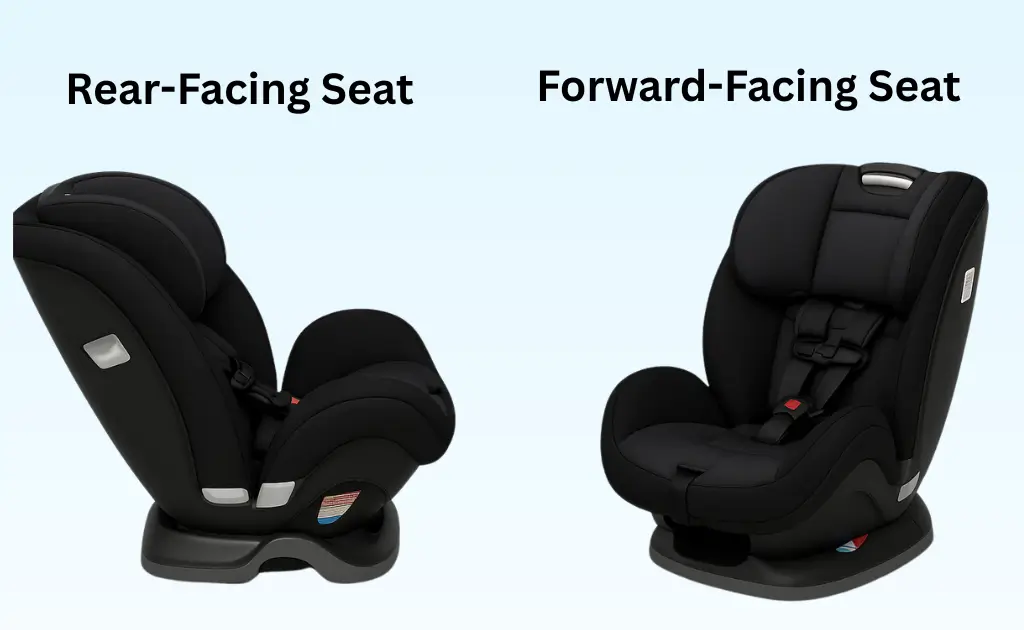
Unlike infant-only car seats, convertibles offer a longer usage span—typically from birth up to 65 pounds, depending on the model. However, they do not convert into booster seats. However, they provide extended use and flexibility in the early stages of your child’s development.
This seat is ideal for parents who:
- Want one seat that works from infancy through toddlerhood?
- Prefer extended rear-facing for safety?
- Are you looking for value without switching seats too soon?
What Is a Combination Car Seat?
A combination car seat is built for older children who have outgrown the rear-facing stage. It starts as a forward-facing car seat with a 5-point harness and later converts into a belt-positioning booster seat.
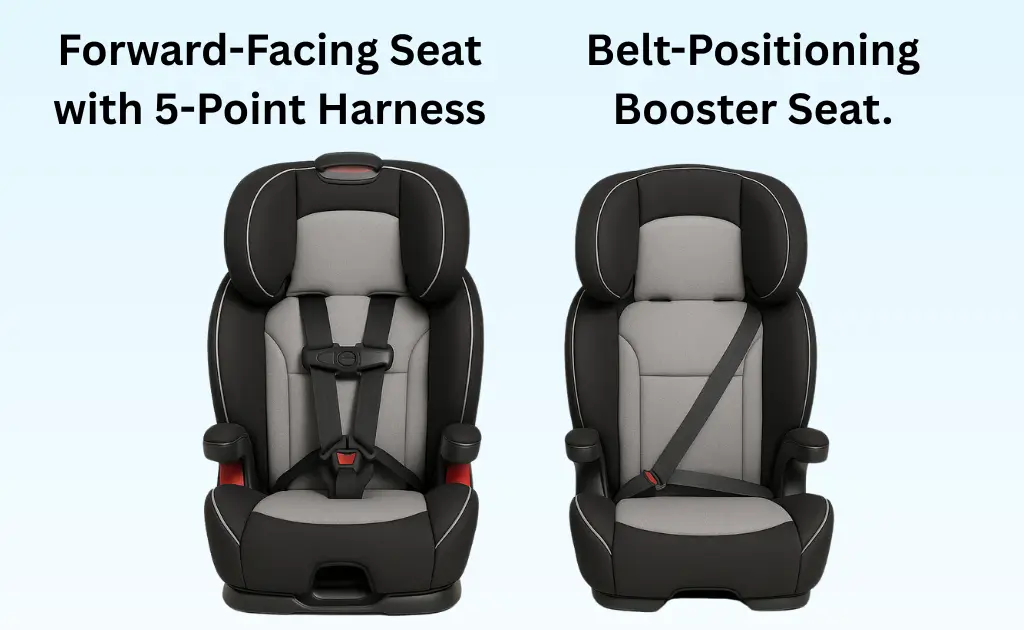
Unlike convertible seats, combination seats do not offer a rear-facing mode. They’re typically used once your child is at least 2 years old, but most models recommend a minimum of 22 to 40 pounds for forward-facing use.
This seat is ideal for parents who:
- Already used an infant or convertible seat?
- Need a forward-facing seat with booster capability?
- Want to avoid buying a separate booster later?
Combination Vs. Convertible Car Seats: 12 Key Differences That Matter
Choosing between a combination car seat and a convertible car seat? It depends on your child’s age, weight, and how long you want the seat to last. Let’s break down the significant differences so you can decide what fits your family best.
Here’s a side-by-side comparison of what you’re getting with each option:
| Feature | Convertible Car Seat | Combination Car Seat |
|---|---|---|
| Rear-Facing Option | ✅ Yes | ❌ No |
| Forward-Facing Option | ✅ Yes | ✅ Yes |
| Booster Seat Mode | ❌ No | ✅ Yes |
| Age Range | Birth to ~5 years | ~2 years and up |
| Weight Limit | ~5–65 lbs | ~22–100 lbs (varies by model) |
| Lifespan of Use | Infant to preschool | Toddler to booster age |
| Best For | Parents starting from newborn stage | Parents transitioning from convertible or infant seat |
| Ideal for | First-time parents with newborns | Parents with toddlers or multiple kids |
| When to Choose | Keep baby rear-facing longer | Transition from forward-facing to booster mode, save on future purchases |
| Safety Features | Rear- & forward-facing, extended rear-facing option, 5-point harness, side-impact protection, energy-absorbing foam | Forward-facing only, 5-point harness, converts to booster, side-impact protection, belt-positioning guide |
| Upfront Cost | 💰 $150–$400+ | 💰 $100–$300+ |
| Long-Term Value | ✅ Lasts 3–5 years (rear- & forward-facing) Average $40–$80/year depending on price | ✅ Lasts 5–8 years (harness + booster) Average $20–$60/year depending on usage |
Scenario Highlights in the Table:
- First-Time Parents with a Newborn: Choose a convertible car seat for rear-facing safety from day one.
- Parents with a Toddler Ready to Transition: Go for a combination car seat once your child is 2+ years old, ready for forward-facing and eventually a booster seat.
- Parents with Multiple Kids: A combination car seat helps streamline the seat process as each child grows, from forward-facing to booster.
- Budget-Conscious Parents: A combination car seat is more cost-effective in the long run, as it eliminates the need for separate booster seats.
Which One Saves You More in the Long Run?
The upfront cost is not the only factor when buying a car seat. What matters most is the long-term value—how long the seat lasts and how many stages it covers. Let’s break down the costs of combination and convertible car seats so you can make the most cost-effective choice for your family.
Upfront Cost Comparison
Here’s a quick look at the initial price range for each type of seat:
Upfront Cost
- Convertible Car Seats: $100 – $350
- Combination Car Seats: $70 – $300
Long-Term Value
- Convertible Car Seats:
- It lasts from birth to 5 years.
- Cost per year: ~$50.
- It may require a booster seat purchase later.
- Combination Car Seats:
- It lasts from 2 years to 10 years.
- Cost per year: ~$19.
- It includes a booster seat, so buying it separately is unnecessary.
Which One Saves More?
- Combination car seats are usually the more cost-effective option because they cover both the forward-facing and booster stages, saving you money in the long run.
- Convertible car seats are great for infants and toddlers, but you may need to buy a booster later, increasing the overall cost.
For families looking for one car seat for all ages, the combination car seat offers the best value over time, while convertible car seats are great if you’re starting with a newborn and only need it for the early years.
How Easy Are They to Install?
Installation can sometimes feel like a puzzle regarding car seats. But don’t worry—whether you choose a combination car seat or a convertible car seat, we’ve provided all the essential installation tips to make the process smoother.
Installation Tips and Challenges
Installing a car seat can be tricky for first-time parents or anyone unfamiliar with the process. The good news is that combination and convertible car seats come with clear instructions, and many models today offer easy-to-follow guides and installation features to help you get it right. But let’s be honest—there can still be challenges!
- Convertible car seats are bulkier and more difficult to install in smaller cars, especially when using the rear-facing mode. But once installed, they’re secure and straightforward to use.
- Combination car seats often have an easier forward-facing installation, but since some models turn into booster seats, you may have to adjust the harness or backrest as your child grows. This can be more time-consuming.
The LATCH System & Seat Belt Compatibility
Most modern car seats—whether combination or convertible—are equipped with the LATCH system (Lower Anchors and Tethers for Children), which makes installation a breeze in cars with LATCH anchors. This system allows you to easily attach the car seat without using the seat belt.
- LATCH System: The LATCH system is available on both types of seats and is often easier to use than seat belts, but it does have weight limits, so be sure to follow the guidelines.
- Seat Belt Installation: Ensure the seat belt is routed correctly and tightly secured through the car seat’s path.
Car Fit
Ensuring the car seat fits in their vehicle is one of the most significant challenges faced by many parents. Some vehicles, especially smaller cars, might not have the space to comfortably accommodate a larger convertible car seat, especially when rear-facing. However, combination car seats are generally more compact and better fit small cars.
If space is a concern, check the car seat’s dimensions and consider models designed for small cars or cars with smaller backseats. Be sure to check your car’s manual and the car seat manual to see if there are any specific restrictions or tips for installation.
Are Both Seats Equally Safe?
Both combination and convertible car seats meet the strict safety standards the National Highway Traffic Safety Administration (NHTSA) set. However, convertible car seats are the winners for younger children because they support rear-facing mode. As the American Academy of Pediatrics (AAP) recommends, keep your child in the rear-facing position for as long as possible, ideally until age 3 or 4.
Combination car seats, on the other hand, are forward-facing only. While safe for older toddlers, they don’t offer the same early-stage protection as rear-facing seats.
Also, always double-check for car seat recalls or safety updates before buying. A quick visit to the manufacturer’s site or the NHTSA recall page can save you a big headache later.
Frequently Asked Questions
Is a combination car seat safe for my child? What safety features should I look for?
Yes, when used correctly! Look for features like a strong frame, side-impact protection, a secure harness system, and proper installation using LATCH or the seat belt. Make sure it meets recognized safety standards.
Are combination car seats more affordable than buying separate ones as my child grows?
Generally, yes. Buying one seat that transitions through different stages can be more budget-friendly than purchasing an infant seat, a forward-facing harness seat, and a booster seat separately. It’s a way to save money in the long run.
Can combination car seats be rear-facing?
No. These seats are forward-facing only. If your child is still under the minimum for forward-facing, stick with a rear-facing convertible seat.
Can you use LATCH with combination seats in booster mode?
Yes, but only to secure the seat when it’s unoccupied. LATCH (and the top tether) keeps the booster from becoming a projectile during a crash. However, the vehicle seat belt must restrain the child, not the LATCH.
What’s better: convertible or combination car seat?
It comes down to your child’s age and your needs.
- Convertible car seats can be used from the rear-facing stage up to forward-facing, so they’re ideal for starting with a baby or younger toddler.
- On the other hand, combination car seats start forward-facing with a 5-point harness and later convert into a booster. They’re best suited for kids already outgrown rear-facing mode (typically around age 2+).
If your little one is past the rear-facing stage, a combination seat can be a smart, long-term 2-in-1 option.
Can I skip the harnessed car seat and move straight to a booster Seat?
Not a good idea. Even if your child meets the minimum age or weight, booster seats require maturity. Kids must sit still and stay appropriately positioned throughout the ride, which isn’t always easy for younger children. Until your child is at least 4 years old and weighs 40+ pounds, it is safest to use a harnessed car seat, such as a combination seat in harness mode.
Final Thoughts: Which Car Seat Is Right for You?
Now that you have the full breakdown of combination vs. convertible car seats, you’re probably feeling more confident in your decision. But let’s quickly summarize:
Choose a Convertible Car Seat If:
- If you’re starting from scratch with a newborn or infant, keep them rear-facing as long as possible for safety.
- You’re looking for a long-lasting seat that will cover both the rear-facing and forward-facing stages, and you’re okay without a booster option.
- You’re willing to invest more in a seat that will grow with your child from birth to preschool.
Choose a Combination Car Seat If:
- Your child is at least 2 years old and ready to transition to forward-facing.
- Combining the forward-facing car seat and the booster will save you money in the long run.
- You need a more flexible solution as your child moves from one stage to the next, without having to buy separate booster seats.
Both types of seats offer great safety features and versatility, but it depends on your child’s age, size, and budget. Whether you choose a convertible or a combination car seat, the key is choosing the one that best fits your family’s needs.
When in doubt, always refer to your car seat’s manual and the manufacturer’s guidelines for weight limits, height recommendations, and proper installation.